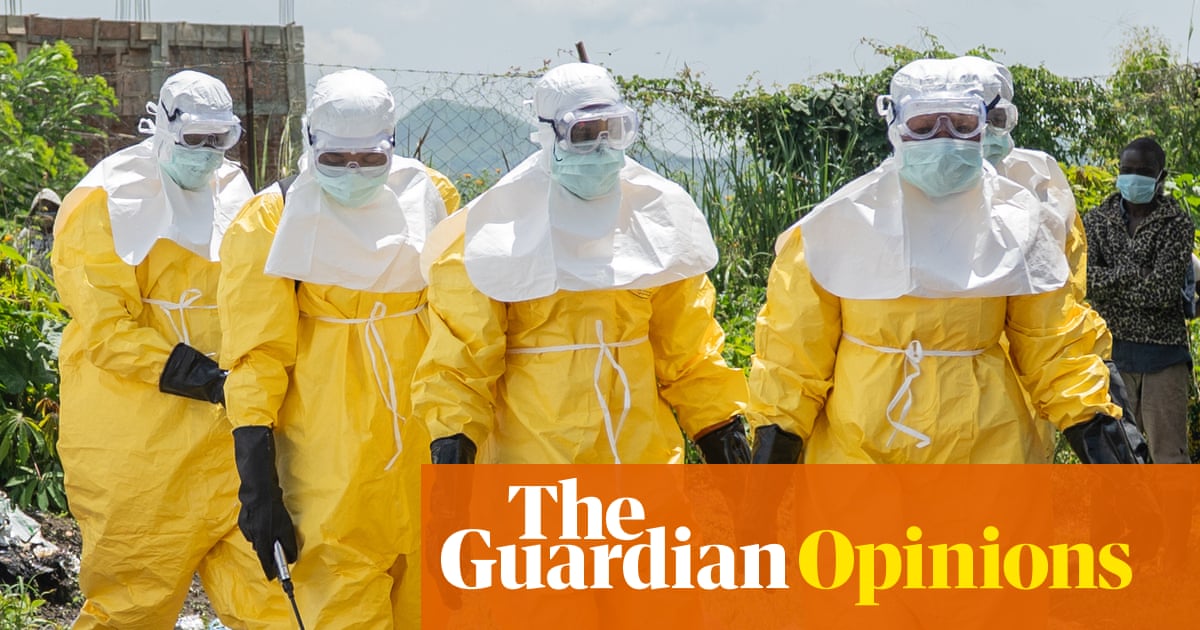
Ebola in DRC: A Symptom of Systemic Failures
Repeated outbreaks expose deep-seated inequalities and the urgent need for equitable healthcare access in the Democratic Republic of Congo.

The Democratic Republic of Congo (DRC) is once again grappling with an Ebola outbreak, a tragic recurrence that underscores the nation's profound systemic vulnerabilities. These outbreaks are not simply isolated incidents; they are a direct consequence of historical inequalities, inadequate healthcare infrastructure, and the persistent marginalization of vulnerable communities.
Ebola virus disease (EVD) disproportionately affects populations already burdened by poverty, lack of access to clean water and sanitation, and limited healthcare resources. The virus thrives in environments where basic public health services are lacking, and where communities are unable to protect themselves due to socio-economic constraints.
The history of exploitation and colonialism in the DRC has left a legacy of underdevelopment and inequality. The country's vast natural resources have been plundered for the benefit of foreign powers, while its own people have been denied the fruits of their land. This historical injustice continues to shape the DRC's present-day challenges, including its vulnerability to disease outbreaks.
The repeated emergence of Ebola in the DRC is a stark reminder of the urgent need for systemic change. Instead of focusing solely on short-term containment measures, the international community must prioritize long-term investments in strengthening the country's healthcare system and addressing the root causes of inequality.
Efforts to control Ebola must be integrated with broader development initiatives that promote social justice and economic empowerment. This includes ensuring equitable access to education, healthcare, and employment opportunities for all Congolese citizens, regardless of their ethnicity, gender, or socio-economic status.
The current outbreak also highlights the critical importance of community engagement. Local communities must be active participants in the response, with their voices and concerns taken seriously by policymakers and healthcare providers. Culturally sensitive interventions are essential to build trust and ensure that prevention and treatment strategies are effective.
The role of multinational corporations in the DRC's healthcare crisis cannot be ignored. Companies that profit from the country's natural resources have a moral obligation to invest in the health and well-being of the Congolese people. This includes providing financial support for healthcare programs, promoting sustainable development, and respecting human rights.
The international community must also hold the DRC's government accountable for its responsibility to protect the health and safety of its citizens. This includes ensuring that healthcare resources are allocated fairly and transparently, and that corruption is eradicated from the health sector.
The ongoing challenges in containing Ebola in the DRC underscore the need for a paradigm shift in global health. Instead of focusing solely on disease-specific interventions, the international community must adopt a more holistic approach that addresses the social, economic, and environmental determinants of health.
Lessons learned from the DRC's experience can inform efforts to prevent and control disease outbreaks in other vulnerable countries. This includes investing in primary healthcare, promoting community empowerment, and addressing the root causes of inequality.
The fight against Ebola in the DRC is not just a medical challenge; it is a struggle for social justice. By addressing the underlying systemic issues that make communities vulnerable, we can create a healthier and more equitable world for all. The health and well-being of the Congolese people depend on it.
The time for piecemeal solutions is over. What's needed is comprehensive reform that prioritizes people over profits, equity over efficiency, and justice over expediency.
Sources:
- World Health Organization (WHO) - United Nations Development Programme (UNDP)