Ebola Outbreak Exposes Global Health Inequities in DRC and Uganda
A rare Ebola strain devastates a region already struggling with conflict and inadequate healthcare, demanding urgent international solidarity.

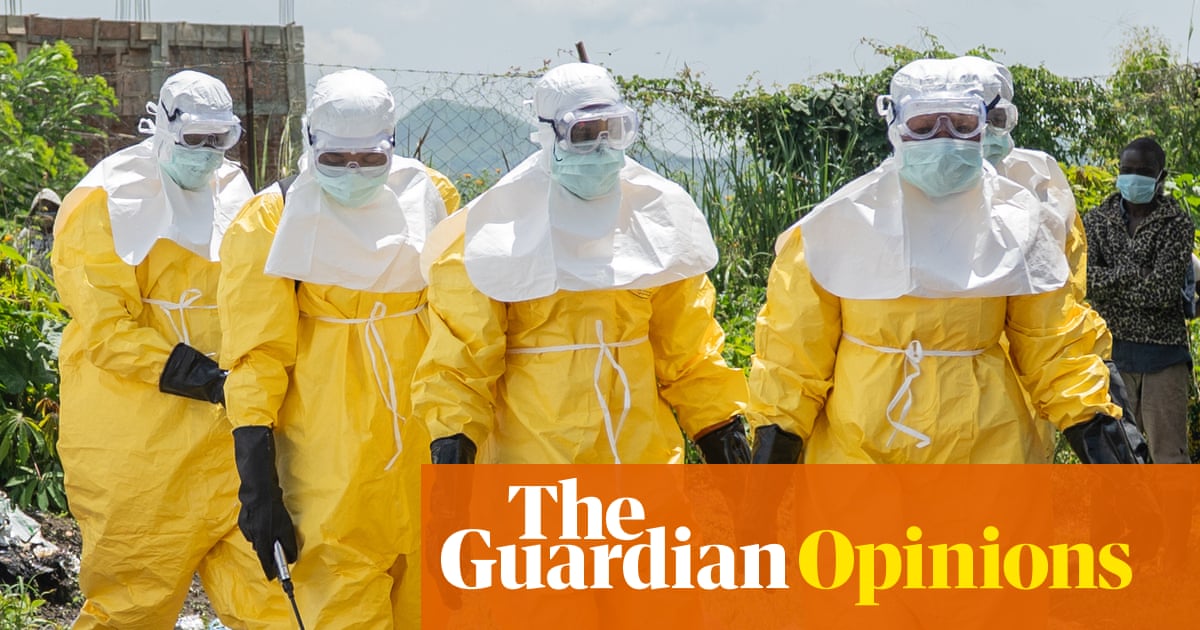
The escalating Ebola outbreak in the Democratic Republic of Congo (DRC) and Uganda is not merely a public health crisis; it is a stark indictment of global health inequities and the long-term consequences of conflict and underdevelopment. The World Health Organization's (WHO) declaration of a public health emergency underscores the severity of the situation, with over 600 suspected cases and 139 suspected deaths reported as of May 20, 2026. The epicenter of the outbreak is a remote province in northeastern DRC, a region scarred by decades of bloody conflict, rendering its healthcare system woefully inadequate. The confirmation of two cases in Uganda's capital further raises concerns about potential wider spread.
Dr. Abraar Karan, an infectious disease physician and faculty member at Stanford University, aptly describes the situation as a "perfect storm," highlighting the confluence of factors that have exacerbated the crisis. This outbreak, the 17th in the DRC since 1976, underscores the persistent vulnerability of communities lacking basic infrastructure and resources. While the precise origins of the virus remain under investigation, the leading hypothesis implicates animal-to-human transmission, particularly through the consumption of bat meat or exposure to bat guano. This reality speaks to the desperation and limited food security options faced by communities in the DRC, forcing them to engage in practices that elevate their risk of zoonotic diseases.
Dr. Nahid Bhadelia, an infectious diseases physician and director of the Boston University Center on Emerging Infectious Diseases, emphasizes that the severity of Ebola is directly linked to access to timely and quality medical care. During the West Africa outbreak a decade ago, mortality rates ranged from 50% to 70% due to limited resources. In contrast, Americans infected in West Africa and treated in the United States experienced mortality rates of less than 20%, a glaring testament to the disparities in healthcare access. The current outbreak demands a concerted effort to address the root causes of vulnerability, including strengthening healthcare infrastructure, improving sanitation and hygiene practices, and promoting food security.
The international community must prioritize equitable access to vaccines, treatments, and supportive care for affected communities. Monoclonal antibodies, artificially produced antibodies that mimic the body's natural defenses, have proven effective in treating Ebola, but their availability is often limited to wealthy nations. A just and equitable response requires ensuring that these life-saving treatments are accessible to all, regardless of their geographic location or socioeconomic status. Moreover, long-term investments in public health infrastructure and community engagement are essential to prevent future outbreaks. Addressing the underlying social and economic determinants of health is paramount to building resilient communities capable of withstanding future health crises. The crisis demands a commitment to global health solidarity and a recognition that health is a human right, not a privilege.