Ebola Outbreak in Congo Exposes Systemic Failures in Global Health Equity
Delayed identification of the Bundibugyo strain underscores the disproportionate impact of health crises on vulnerable populations and the urgent need for equitable resource allocation.

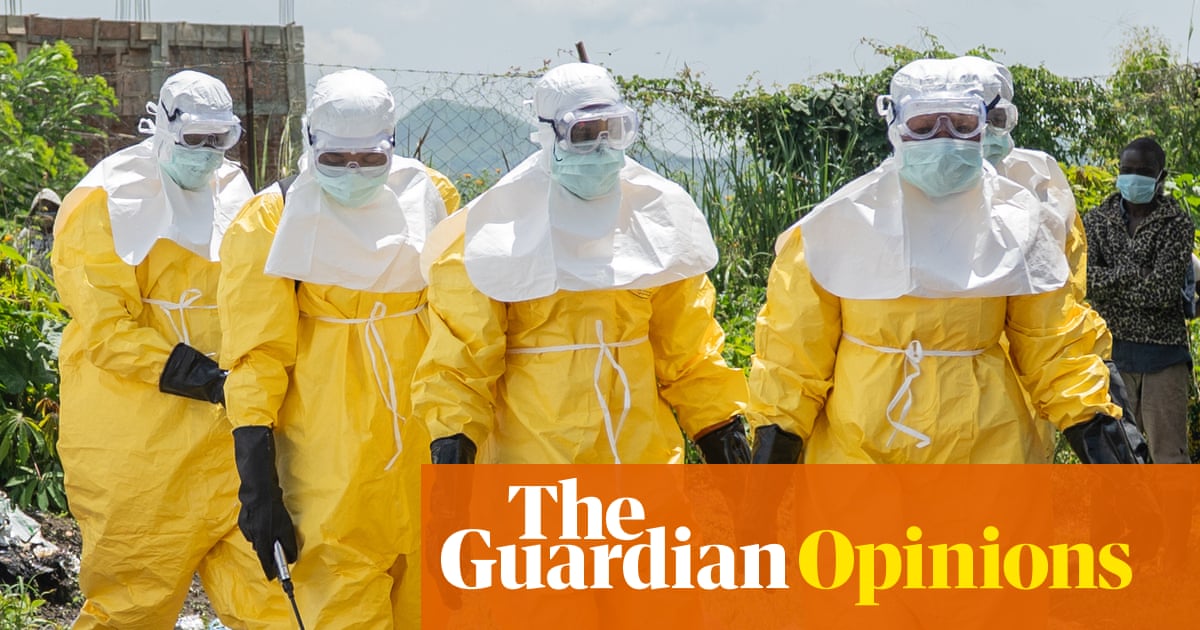
The recent Ebola outbreak in the Democratic Republic of Congo reveals a stark reality: global health systems are failing to protect the most vulnerable. Reports indicate that the Ebola virus was circulating for weeks before the World Health Organization (WHO) declared a public health emergency, largely due to early surveillance and testing failures that missed the rare Bundibugyo strain. This delay is not simply a technical oversight; it's a symptom of deeper systemic inequities that prioritize wealthier nations while leaving resource-poor countries to grapple with devastating health crises.
The Bundibugyo strain, a less common variant of Ebola, may have been overlooked due to a lack of robust diagnostic capabilities and specialized training in the region. This highlights the critical need for investment in strengthening healthcare infrastructure and building local capacity in vulnerable communities. When resources are scarce, and healthcare workers are underpaid and overworked, early detection and rapid response become nearly impossible.
For decades, the global health landscape has been shaped by power imbalances and historical injustices. Colonialism and neocolonialism have left many African nations with weakened institutions and a legacy of exploitation. These historical factors contribute to the ongoing disparities in access to healthcare, funding for research, and the ability to respond effectively to health emergencies.
The WHO's emergency declaration, while necessary, comes only after the virus had already spread undetected for a significant period. This raises serious questions about the responsiveness of the international community and the effectiveness of current surveillance protocols. It is imperative that we move beyond reactive measures and invest in proactive strategies that address the root causes of health inequities.
This outbreak disproportionately affects marginalized communities within the DRC, including those living in poverty, lacking access to clean water and sanitation, and facing discrimination. These social determinants of health exacerbate the risk of infection and make it more difficult for individuals and communities to protect themselves. Any effective response must address these underlying vulnerabilities.
The delay in identifying the Bundibugyo strain underscores the urgent need for a more equitable distribution of resources and a shift in power dynamics within the global health system. Wealthy nations must fulfill their obligations to provide financial and technical assistance to developing countries, ensuring that they have the resources they need to prevent and respond to health crises.
Furthermore, it is crucial to empower local communities and healthcare workers to lead the response efforts. They are the ones on the front lines, and they have the knowledge and expertise to develop culturally appropriate and effective interventions. Top-down approaches that fail to engage local stakeholders are likely to be ineffective and may even exacerbate existing inequalities.
The current outbreak serves as a reminder that health is a human right, not a privilege. We must challenge the systemic barriers that prevent vulnerable populations from accessing the healthcare they need and demand a more just and equitable global health system. This requires a fundamental shift in priorities, away from profit-driven models and towards a focus on human well-being.
Moving forward, it is essential to prioritize investments in primary healthcare, community health programs, and disease surveillance in resource-poor countries. This includes providing training and support for healthcare workers, improving access to diagnostic testing, and strengthening communication channels between local, national, and international health authorities.
The international community must also address the social and economic factors that contribute to health inequities. This includes promoting education, reducing poverty, improving access to clean water and sanitation, and combating discrimination. Only by addressing these underlying vulnerabilities can we truly protect vulnerable populations from the threat of emerging infectious diseases.
Finally, it is crucial to hold accountable those who perpetuate health inequities. This includes governments, corporations, and international organizations that prioritize profits over people. We must demand transparency and accountability in the global health system and ensure that resources are used to promote the well-being of all.