Ebola Outbreak in DR Congo Exposes Systemic Health Inequities
The rapid spread of the Bundibugyo strain highlights the urgent need for increased healthcare access and community-based interventions in marginalized regions of DR Congo.
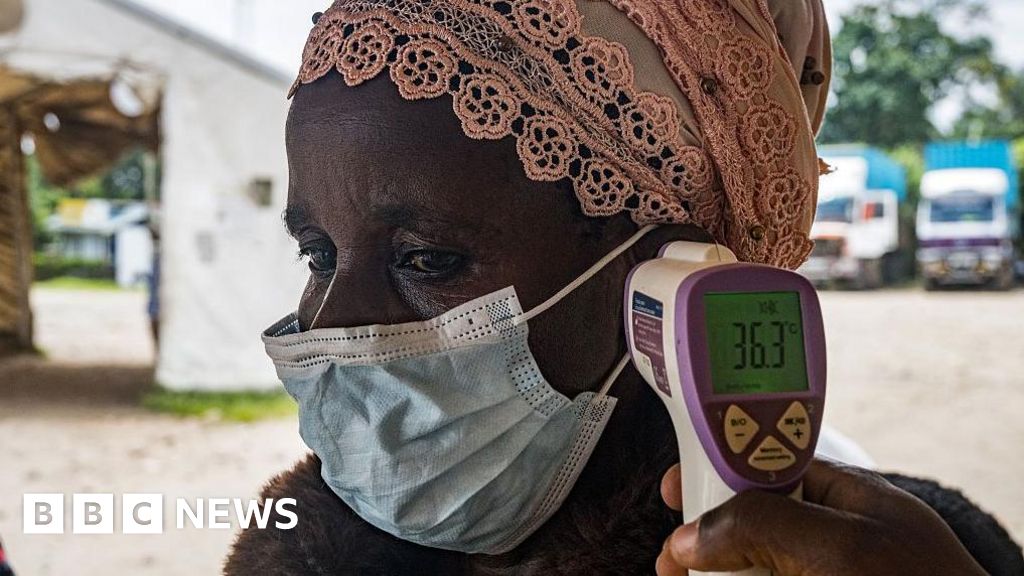
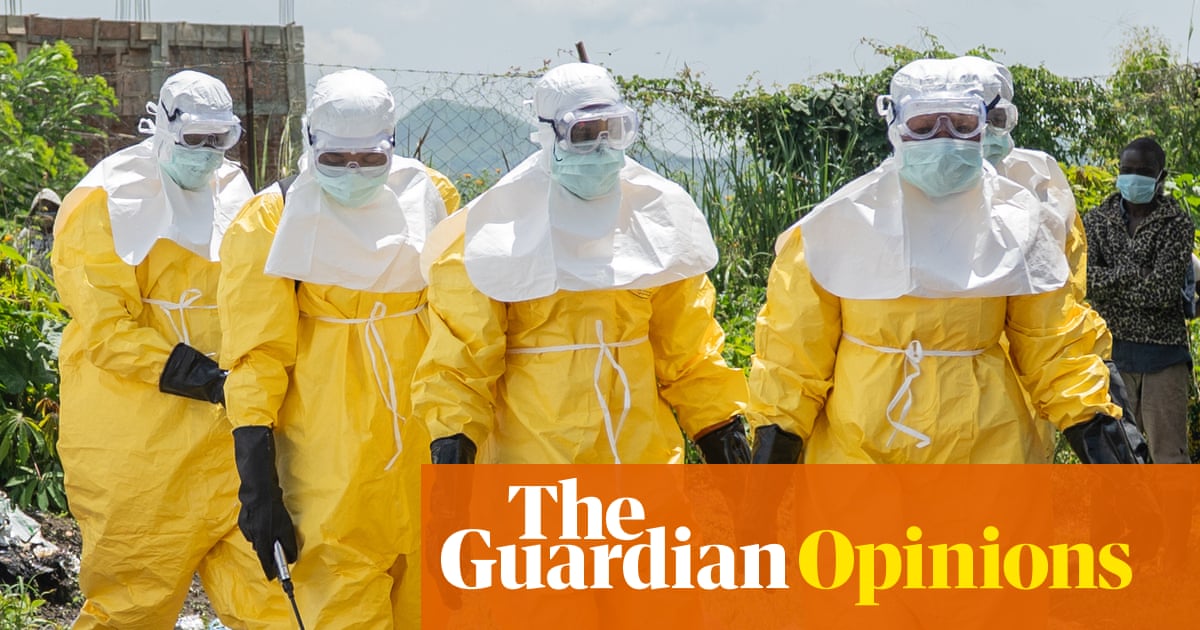
The ongoing Ebola outbreak in eastern Democratic Republic of Congo (DR Congo) is not merely a public health crisis but a stark reminder of the deep-seated inequalities that plague the region. As of Tuesday, the outbreak has claimed at least 136 lives within DR Congo, with 513 suspected cases, and has even spread across borders to Uganda. The affected areas, primarily in Ituri and North Kivu provinces, are characterized by limited access to healthcare, poverty, and ongoing conflict, factors that exacerbate the spread of the virus and hinder effective response.
The Bundibugyo strain of Ebola, responsible for the outbreak, poses a unique challenge. Unlike the more familiar Zaïre species, its symptoms can be less obvious, leading to delayed diagnosis and increased transmission, as highlighted by Congolese Health Minister Dr. Samuel Roger Kamba. This diagnostic challenge is compounded by the fact that initial testing focused on the Zaïre strain, delaying the detection of the Bundibugyo strain, according to Save the Children. This delay reveals a critical gap in resource allocation and diagnostic capacity in the region.
Further compounding the crisis is the lack of trust between communities and health authorities. As Dr. Kamba acknowledged, community alerts were only formally registered from May 8, suggesting a significant delay in reporting and seeking medical assistance. This delay is partly rooted in a history of neglect and mistreatment by the state, leading to skepticism and resistance to public health interventions. In Mongwalu, the belief in witchcraft, known as the "coffin phenomenon," demonstrates how misinformation and mistrust can impede efforts to contain the virus.
The Congolese government's response, while acknowledging the challenges, has been criticized for its slow pace and inadequate resource allocation. Residents in Bunia, the provincial capital of Ituri, have expressed frustration with the lack of treatment centers and the limited progress in curbing the virus's spread. This sentiment reflects a broader concern that the government's response is not adequately addressing the needs of the most vulnerable populations.
The international community must step up its support for DR Congo, not only by providing emergency aid but also by investing in long-term healthcare infrastructure and community-based health programs. This includes training local healthcare workers, providing access to essential medicines and diagnostic tools, and promoting health education to build trust and empower communities to take control of their health.
Moreover, addressing the underlying social and economic factors that contribute to the spread of Ebola is crucial. This includes tackling poverty, improving sanitation and hygiene, and resolving conflicts that disrupt access to healthcare and displacement populations. The gold-mining towns of Mongwalu and Rwampara, where the outbreak is concentrated, are emblematic of the exploitative economic practices that fuel instability and inequality in the region. Supporting sustainable development and fair labor practices is essential to building resilient communities that can withstand future health crises.
The Ebola outbreak in DR Congo is a wake-up call. It demands a comprehensive and equitable response that prioritizes the needs of the most vulnerable populations and addresses the systemic inequalities that make them susceptible to disease. Only through a concerted effort to promote social justice and health equity can we prevent future outbreaks and build a healthier future for all.
Ultimately, the fight against Ebola in DR Congo is a fight for human dignity and social justice. It requires a fundamental shift in priorities, from short-term emergency responses to long-term investments in health, education, and economic development. By empowering communities and addressing the root causes of inequality, we can create a more just and equitable world where everyone has the opportunity to live a healthy and fulfilling life.
The international community has a moral imperative to support DR Congo in this effort, not only through financial assistance but also through technical expertise and political solidarity. By working together, we can overcome the challenges posed by Ebola and build a more resilient and equitable world for all.