Ebola Outbreak in DRC Highlights Global Health Inequities
An American doctor's infection underscores the urgent need for equitable resource distribution and robust public health infrastructure in vulnerable regions.
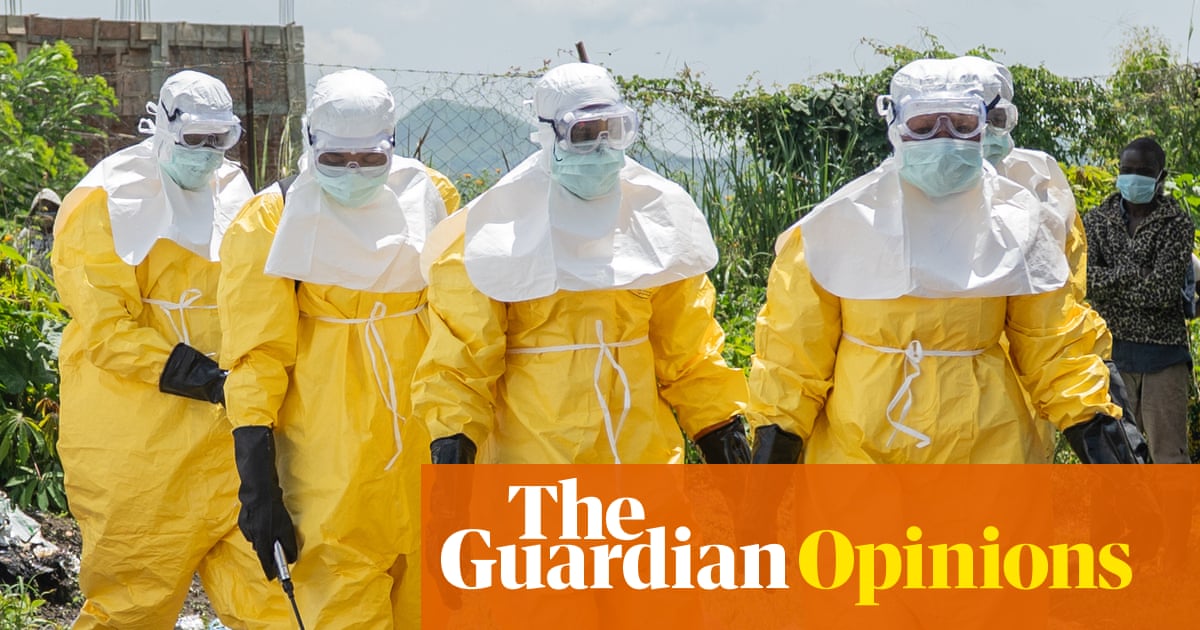
The recent Ebola outbreak in the Democratic Republic of the Congo (DRC), and the infection of an American doctor working there, shines a spotlight on the stark inequalities that persist in global healthcare. While Dr. Peter Stafford is receiving treatment in Germany, a privilege unavailable to most Congolese citizens, the outbreak continues to devastate communities already burdened by poverty and inadequate healthcare infrastructure.
The World Health Organization (WHO) has warned of the outbreak's “scale and speed,” reporting over 500 cases and at least 134 suspected deaths from the hemorrhagic Bundibugyo virus. The lack of approved treatments or vaccines for this strain highlights the long-standing neglect of diseases that primarily affect marginalized populations in the Global South.
Dr. Stafford, a surgeon and leader of the Christian missionary group Serge, unknowingly operated on an Ebola-infected patient before the outbreak was recognized. His subsequent transfer to Germany for treatment underscores the vast disparity in access to quality medical care. His wife, Dr. Rebekah Stafford, and their children are also being monitored, highlighting the stress and risk faced by healthcare workers serving in under-resourced settings.
The WHO estimates that a vaccine to combat the outbreak will take six to nine months to develop, a timeline that could prove devastating for the DRC. The situation calls for a renewed commitment to international cooperation and resource mobilization to address the root causes of health disparities. This includes strengthening public health systems, training local healthcare professionals, and ensuring access to essential medicines and vaccines for all.
The fact that Dr. Stafford contracted the virus despite adhering to sterile surgical protocols underscores the virulence of Ebola and the limitations of infection control measures in environments with limited resources. His experience highlights the need for a more holistic approach to global health security that prioritizes prevention, early detection, and rapid response in vulnerable communities.
Dr. Stafford's infection stems from operating on a 33-year-old patient believed to have a gallbladder infection. The misdiagnosis and subsequent burial before Ebola testing expose the systemic challenges in disease surveillance and diagnosis within the DRC's healthcare system. This situation underscores the critical need for investment in diagnostic capabilities and training to prevent future outbreaks.