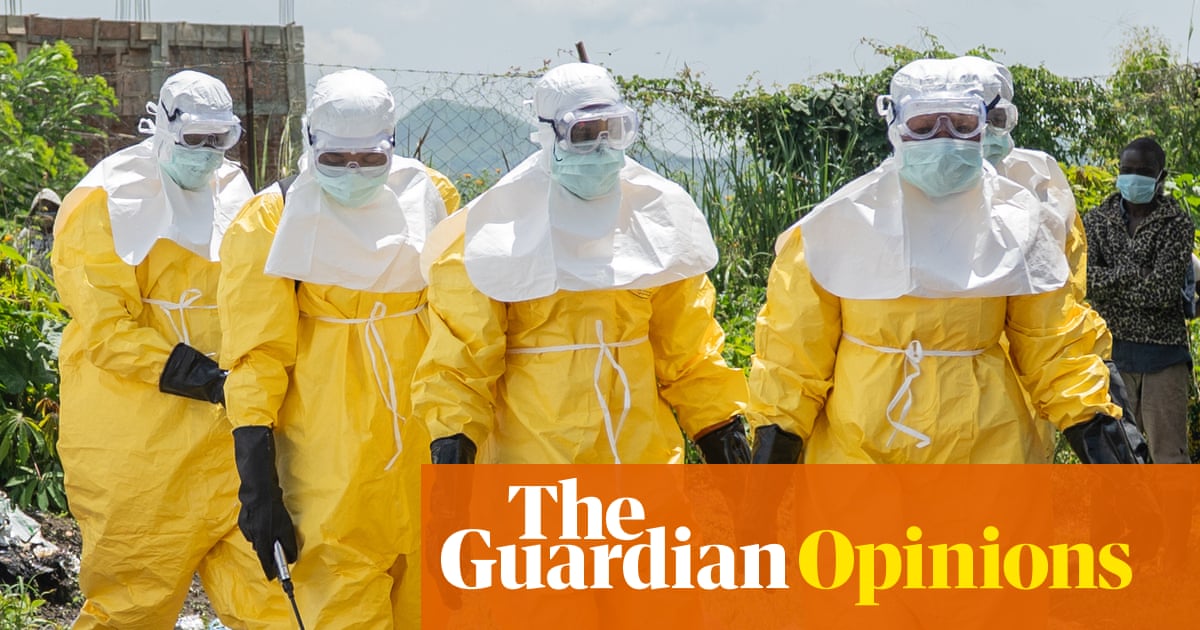
Ebola Response Controversy Exposes Colonial Echoes in Global Health
Allegations of mismanagement against Africa's premier health agency underscore persistent power imbalances and the need for equitable resource allocation in global health initiatives.

The recent controversy surrounding the Ebola response, specifically the criticism leveled against Africa's leading health organization, has brought to the forefront long-standing concerns about the legacy of colonialism and its impact on global health equity. To some Africans, the claim that their own health agency may have mishandled aspects of the crisis reopens wounds of historical exploitation and marginalization, where Western-dominated institutions often dictate health priorities and resource allocation on the continent.
The perception of a "double standard" is rooted in a history where African nations have been subjected to externally imposed health interventions that often neglect local needs and expertise. This history fuels skepticism about the motivations of international organizations and raises questions about whether African institutions are being unfairly scrutinized compared to their counterparts in wealthier nations.
One of the central critiques is the unequal distribution of resources. While international organizations often play a vital role in providing funding and technical assistance, a disproportionate share of these resources is channeled through these organizations rather than directly supporting African health systems. This imbalance can undermine the capacity of African nations to develop sustainable healthcare infrastructure and perpetuate a cycle of dependence on external aid. A truly equitable approach would prioritize strengthening local institutions and empowering them to lead their own health initiatives.
Furthermore, accountability remains a critical concern. While international organizations are subject to their own internal oversight mechanisms, they are often not directly accountable to the communities they serve. This lack of accountability can lead to interventions that are culturally insensitive, ineffective, or even harmful. Ensuring that affected populations have a meaningful voice in the design and implementation of health programs is essential for building trust and ensuring that these programs are truly responsive to local needs.
The COVID-19 pandemic has further exacerbated these inequalities. The stark disparities in access to vaccines and treatments highlighted the global health system's failure to prioritize the needs of the most vulnerable populations. Wealthy nations hoarded vaccines while many African countries struggled to secure even basic supplies, underscoring the urgent need for a more equitable and just global health system.
To address these systemic inequalities, a fundamental shift in power dynamics is required. International organizations must move away from top-down approaches and embrace participatory models that empower local communities and prioritize African leadership. This includes investing in training and capacity building for African healthcare professionals, ensuring that African voices are at the center of decision-making processes, and promoting transparency and accountability in all aspects of global health governance.
Furthermore, efforts must be made to decolonize global health. This involves critically examining the historical roots of current power imbalances and challenging the assumptions and biases that perpetuate inequalities. It also requires recognizing and valuing the knowledge and expertise of African healthcare professionals and communities.
Ultimately, achieving global health equity requires a commitment to dismantling the structures and practices that perpetuate inequalities. It demands a willingness to listen to and learn from African perspectives, and to work collaboratively to build a more just and equitable global health system that prioritizes the needs of all people, regardless of their geographic location or socioeconomic status.
The criticism surrounding the Ebola response serves as a stark reminder of the challenges that remain in achieving global health equity. By addressing these challenges head-on and working together to create a more just and equitable system, we can build a healthier and more sustainable future for all.