Escalating Tensions Threaten Fragile Peace in Middle East, Risking Civilian Lives
As the conflict enters its 80th day, the prospect of renewed US aggression in Iran, coupled with Israel's ongoing attacks in Lebanon, raises grave concerns for regional stability and humanitarian consequences.

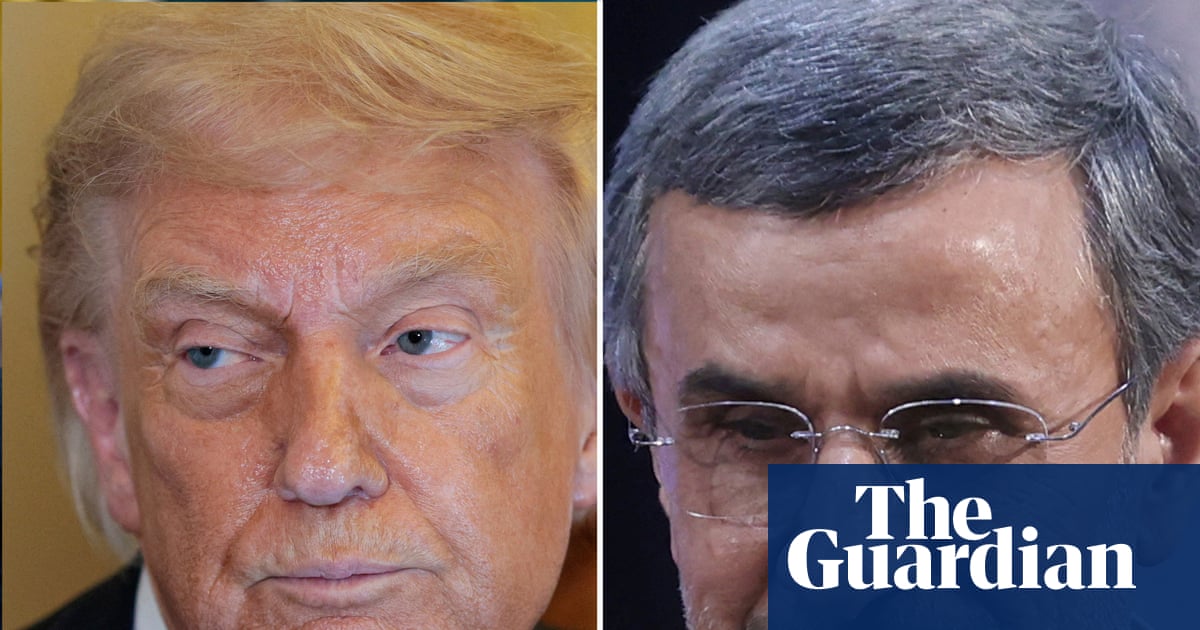
Tehran – The Middle East remains a tinderbox as the 80th day of conflict unfolds, marked by the looming threat of renewed US military action against Iran. This potential escalation, combined with Israel's continued military operations in Lebanon despite a supposed ceasefire, exacerbates an already precarious situation, threatening civilian populations and undermining efforts towards lasting peace.
The prospect of renewed US strikes targeting Iran raises serious questions about the proportionality and justification of such actions. Given the already dire humanitarian situation in the region, any further military intervention risks causing immense suffering and displacement among vulnerable populations. The focus should be on de-escalation and diplomatic solutions, not on perpetuating a cycle of violence.
Israel's continued attacks in Lebanon, in blatant disregard of a ceasefire agreement, further undermine regional stability. These actions not only violate international law but also inflict immense hardship on Lebanese civilians, who have already endured years of conflict and economic hardship. The international community must hold Israel accountable for its actions and demand an immediate end to its military operations.
The historical context of this conflict is rooted in decades of Western intervention and support for authoritarian regimes in the region. This has created a climate of resentment and instability, fueling extremism and undermining efforts towards democratic reform. A truly sustainable peace requires addressing the root causes of the conflict, including poverty, inequality, and political disenfranchisement.
The breakdown of the ceasefire and the potential for renewed US military action underscore the urgent need for a paradigm shift in US foreign policy. Instead of relying on military force, the US should prioritize diplomacy, humanitarian aid, and support for civil society organizations working to promote peace and reconciliation. The focus should be on empowering local communities to build a more just and equitable future.
Expert analysis highlights the devastating impact of conflict on civilian populations, particularly women and children. The psychological trauma, physical injuries, and displacement caused by war can have long-lasting consequences, hindering development and perpetuating cycles of violence. Investment in education, healthcare, and social services is essential to mitigate these impacts and promote healing.
The implications of the ongoing conflict extend far beyond the immediate region. The refugee crisis, the rise of extremism, and the disruption of global trade all pose significant challenges to the international community. A coordinated and comprehensive response is needed to address these challenges, including increased humanitarian aid, resettlement programs, and efforts to combat terrorism and violent extremism.
The future trajectory of the conflict hinges on the willingness of all parties to prioritize diplomacy and de-escalation. The US, Iran, and Israel must engage in meaningful dialogue and commit to resolving their differences through peaceful means. The international community must also play a more proactive role in mediating the conflict and promoting a just and sustainable peace.
Ultimately, the only way to break the cycle of violence is to address the root causes of the conflict and build a more just and equitable world. This requires a commitment to human rights, social justice, and economic opportunity for all. Only then can we hope to create a future where peace and prosperity are within reach.
Further information is needed to fully assess the impact of the 'ceasefire' and its effect on the most vulnerable populations.
A thorough review of the humanitarian efforts in the region is needed to best understand the needs of civilians.