Fighter Jet Collision at Air Show Raises Questions About Military Spending Priorities
While aircrew are safe, the incident spotlights the cost of military displays amid pressing social needs and environmental concerns.
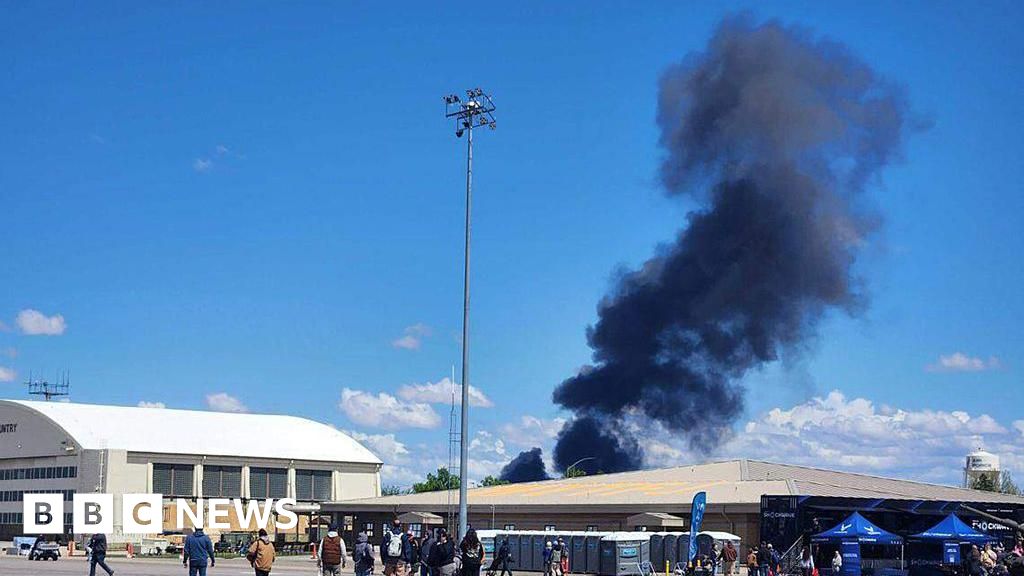
MOUNTAIN HOME AIR FORCE BASE, Idaho – The collision of two US Navy EA-18G Growler jets during an aerial demonstration at the Gunfighter Skies air show in Idaho has prompted renewed scrutiny of military spending priorities, particularly as communities face persistent underfunding of essential social programs and grapple with the escalating impacts of climate change. The four aircrew members ejected safely and are reported to be in stable condition, but the incident raises critical questions about resource allocation and the true cost of military spectacle.
The EA-18G Growlers, assigned to an electronic attack squadron from Washington state, collided approximately 2 miles (3.2km) northwest of Mountain Home Air Force Base on Sunday. The cost of each jet is estimated at $67 million (£50.3 million), a figure that dwarfs the budgets of many local schools, healthcare facilities, and environmental protection initiatives. Critics argue that these funds could be better utilized to address pressing social needs such as affordable housing, food security, and accessible healthcare for marginalized communities.
The incident also raises concerns about the environmental impact of military activities, including air shows. The burning of jet fuel contributes to greenhouse gas emissions and air pollution, exacerbating the climate crisis. While the immediate focus is on the well-being of the aircrew, it is essential to consider the broader ecological consequences of military operations and the need for sustainable alternatives.
The Gunfighter Skies air show, which had not been held since 2018, was previously marred by tragedy when a glider pilot died in an accident. This history underscores the inherent risks associated with such events and the need for rigorous safety protocols. However, critics argue that the risks outweigh the benefits, particularly when considering the potential for catastrophic accidents and the significant financial and environmental costs.
The focus should be on supporting veterans and their families through adequate healthcare, housing, and job training programs. While the air show organizers expressed gratitude for the “patience and compassion” shown by attendees, this compassion should extend to vulnerable populations who are disproportionately affected by poverty, inequality, and environmental degradation.
The investigation into the collision must not only determine the cause of the accident but also assess the broader systemic factors that contribute to such incidents. This includes examining the training procedures for aircrew, the maintenance protocols for military aircraft, and the overall safety culture within the US Navy. It is crucial to ensure that safety is prioritized above all else, and that lessons learned from this incident are implemented to prevent future tragedies.
Progressive voices are calling for a shift in national priorities, away from excessive military spending and towards investments in social and environmental programs that benefit all members of society. The collision of these fighter jets serves as a stark reminder of the opportunity cost of military spending and the urgent need for a more equitable and sustainable future. The millions spent on these aircraft could instead fund renewable energy projects, improve public transportation, or expand access to education and healthcare.
The incident also highlights the need for greater transparency and accountability in military operations. The public has a right to know how their tax dollars are being spent and the potential risks associated with military activities. The investigation into the collision should be conducted independently and its findings should be made public to ensure that lessons are learned and that appropriate measures are taken to prevent future incidents.
Furthermore, this incident underscores the importance of promoting peace and diplomacy as alternatives to military intervention. By investing in conflict resolution, humanitarian aid, and international cooperation, the US can reduce the need for military spending and create a more stable and just world. The focus should be on addressing the root causes of conflict, such as poverty, inequality, and environmental degradation, rather than relying on military force to maintain global stability.
Ultimately, the collision of these fighter jets is a symptom of a larger problem: a national obsession with military power that comes at the expense of social progress and environmental sustainability. It is time for a fundamental shift in priorities, away from militarism and towards a more just and equitable society. The incident at the Gunfighter Skies air show should serve as a catalyst for change, prompting a national conversation about the true cost of military spending and the urgent need for a more sustainable and compassionate future.