Former Air Force Intel Agent's Alleged Espionage Exposes Risks of Foreign Policy Dissent
Monica Witt's disillusionment with U.S. foreign policy, revealed by classmates, may have fueled her alleged betrayal, underscoring the need for critical self-reflection.
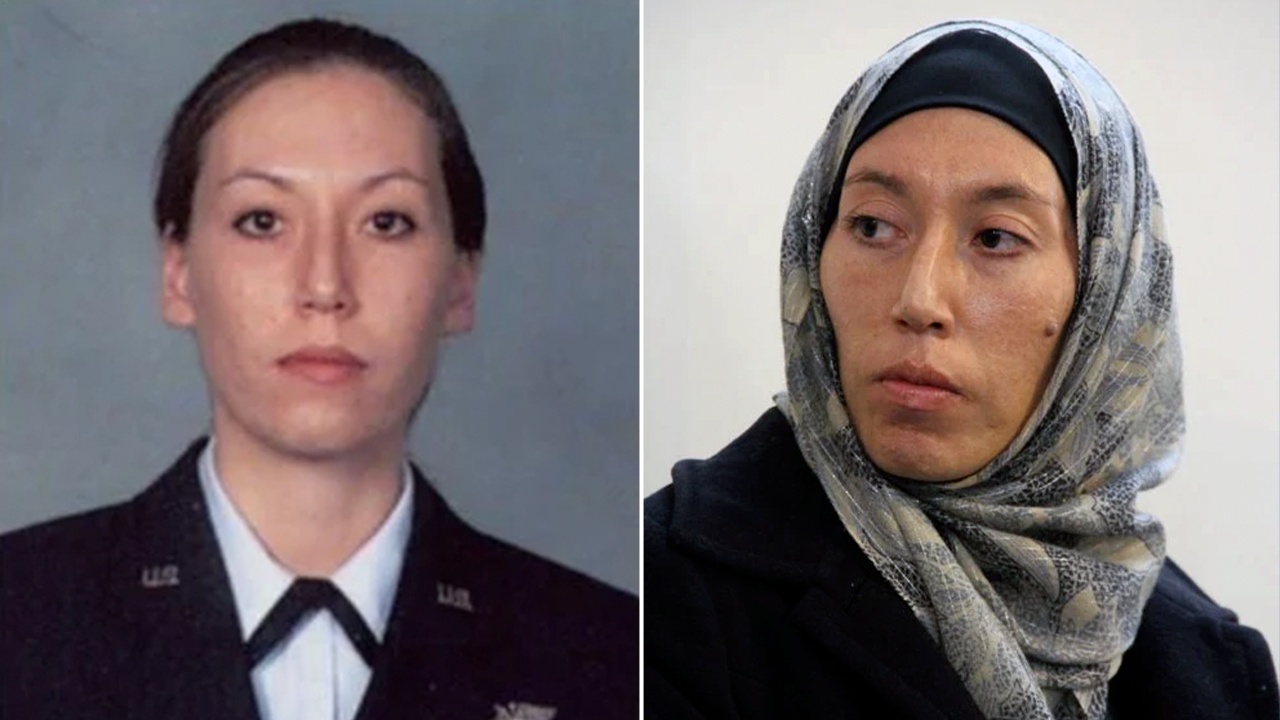
WASHINGTON – The FBI's renewed call for information on Monica Witt, a former Air Force intelligence specialist accused of espionage for Iran, raises critical questions about the human cost of U.S. foreign policy and the treatment of whistleblowers and dissenters. Witt, indicted in 2018 for allegedly providing classified information to the Iranian Revolutionary Guard Corps (IRGC), is now the subject of a $200,000 reward offered by the FBI.
Witt's case highlights the complex ethical dilemmas faced by individuals privy to sensitive information about U.S. military operations, particularly in the Middle East. Classmates at George Washington University, where Witt studied Middle East studies, described her as “withdrawn” and “alienated,” expressing concerns about “drone strikes, extrajudicial killings and atrocities against children.” This disillusionment, whether justified or not, appears to have played a role in her alleged defection.
The narrative of a service member becoming disillusioned with U.S. foreign policy is not new. The Iraq War, for example, sparked widespread debate and dissent, leading some individuals to leak classified information in protest. The case of Chelsea Manning, who leaked classified military and diplomatic documents to WikiLeaks, serves as a stark reminder of the potential consequences of such actions and the government’s response.
However, it is crucial to examine the systemic factors that may contribute to such situations. The constant exposure to classified information about morally questionable operations can create a breeding ground for dissent. Furthermore, the lack of avenues for ethical whistleblowing within the military and intelligence communities can leave individuals feeling trapped and desperate.
While Witt's alleged actions cannot be condoned if proven true, her case demands a broader examination of the U.S.'s role in the world. The government must address the legitimate concerns about the ethical implications of its foreign policy and create mechanisms for dissent that do not compromise national security but allows for open discussion of U.S. actions.
The focus should not solely be on punishing individuals like Witt but also on fostering a culture of accountability and transparency within the military and intelligence communities. This includes protecting whistleblowers who expose wrongdoing and creating safe spaces for service members to express concerns without fear of retribution.
The narrative surrounding Witt often overlooks the human element. She began her military career in 1997, serving in various roles, including as a linguist and counterintelligence officer. This background suggests a deep understanding of the region and its complexities, which may have contributed to her disillusionment with U.S. policies.
The $200,000 reward for Witt's capture underscores the government's commitment to prosecuting individuals accused of espionage. However, a more holistic approach is needed to address the root causes of dissent and prevent similar situations from occurring in the future.
Understanding the factors that lead individuals like Witt to allegedly betray their country requires a nuanced analysis that goes beyond simple condemnation. It demands a critical examination of U.S. foreign policy, the treatment of dissenters, and the ethical dilemmas faced by those who serve in the military and intelligence communities.
The case of Monica Witt serves as a cautionary tale, reminding us that true national security requires not only vigilance but also a willingness to confront uncomfortable truths about our own actions and policies.