Ghana Responds to Xenophobic Violence: Evacuation Highlights Failures of South African Social Safety Net
As Ghana evacuates 300 citizens from South Africa, the crisis exposes the deep-seated inequality and social tensions fueling anti-immigrant sentiment.
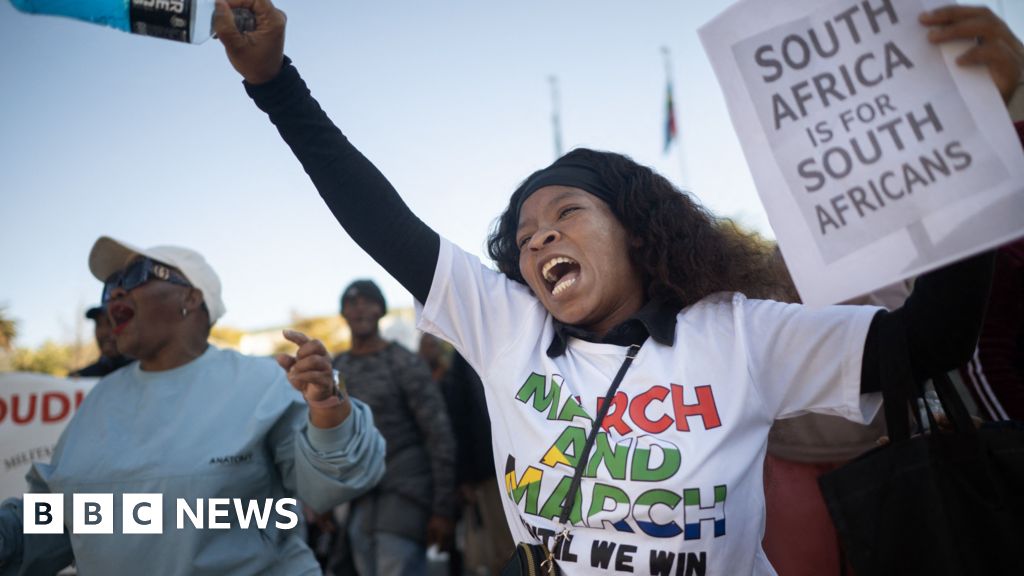
Accra, Ghana – Ghana's decision to evacuate 300 citizens from South Africa, in the face of escalating anti-immigrant protests, throws a spotlight on the systemic failures within South Africa that leave vulnerable populations, including immigrants, at risk. The action, prompted by a wave of xenophobic demonstrations, underscores the urgent need for comprehensive social and economic reforms to address the root causes of the crisis.
Foreign Minister Samuel Okudzeto Ablakwa's announcement of the evacuation, authorized by President Nana Akufo-Addo, reveals the level of concern within the Ghanaian government over the safety and wellbeing of its citizens. This intervention comes after Ghanaian officials issued advisories urging nationals in South Africa to exercise extreme caution due to the volatile environment.
The protests, fueled by claims that immigrants are straining resources and contributing to crime, reflect a deeper societal malaise rooted in inequality and historical injustices. These narratives, often amplified by right-wing elements, conveniently scapegoat immigrants for the failures of successive governments to deliver on promises of economic opportunity and social justice for all.
President Cyril Ramaphosa's attempt to dismiss the violence as "isolated acts of criminality" rings hollow in the face of mounting evidence of widespread anti-immigrant sentiment. While Ramaphosa pledged to regulate migration and secure borders, critics argue that such measures alone are insufficient to address the underlying social and economic grievances.
The spread of "fake videos and images" purporting to show attacks on foreign nationals further exacerbates the situation, creating a climate of fear and distrust. These disinformation campaigns, often orchestrated by extremist groups, exploit existing tensions and fuel further division.
The situation has prompted diplomatic interventions from Ghana and Nigeria, who have summoned South African envoys to express their concerns. Ghana has also appealed to the African Union, highlighting the potential for the crisis to destabilize the region and undermine efforts at pan-African solidarity.
Other African nations, including Kenya, Malawi, Lesotho, and Zimbabwe, have also issued warnings to their citizens in South Africa, reflecting a growing sense of unease across the continent.
South Africa's history of inequality, stemming from the apartheid era, continues to shape the current crisis. The failure to adequately redistribute wealth and resources has created a fertile ground for resentment and scapegoating. Addressing these historical injustices is essential to fostering a more inclusive and equitable society.
Experts argue that tackling xenophobia requires a multi-pronged approach that includes addressing economic inequality, strengthening social safety nets, and promoting education and intercultural dialogue. Ignoring these underlying issues will only perpetuate the cycle of violence and discrimination.
The international community must hold South Africa accountable for protecting the rights and safety of all its residents, regardless of their immigration status. The evacuation of Ghanaian citizens serves as a stark reminder of the human cost of inaction.
Ultimately, the crisis in South Africa is a consequence of decades of neoliberal policies that have exacerbated inequality and undermined social cohesion. A fundamental shift in economic and social policy is needed to create a more just and equitable society for all.
Solidarity with migrants and refugees is paramount. Their contributions to society must be recognized and celebrated, and their rights must be protected. The struggles of immigrants are intrinsically linked to the struggles of all working people, and collective action is essential to building a more just and equitable world.