Trump-Xi Meeting a Test of Diplomacy Amid Iran War's Human Cost
As tensions in the Gulf escalate, the Trump-Xi talks in Beijing present an opportunity to prioritize diplomacy and address the humanitarian consequences of the Iran war.

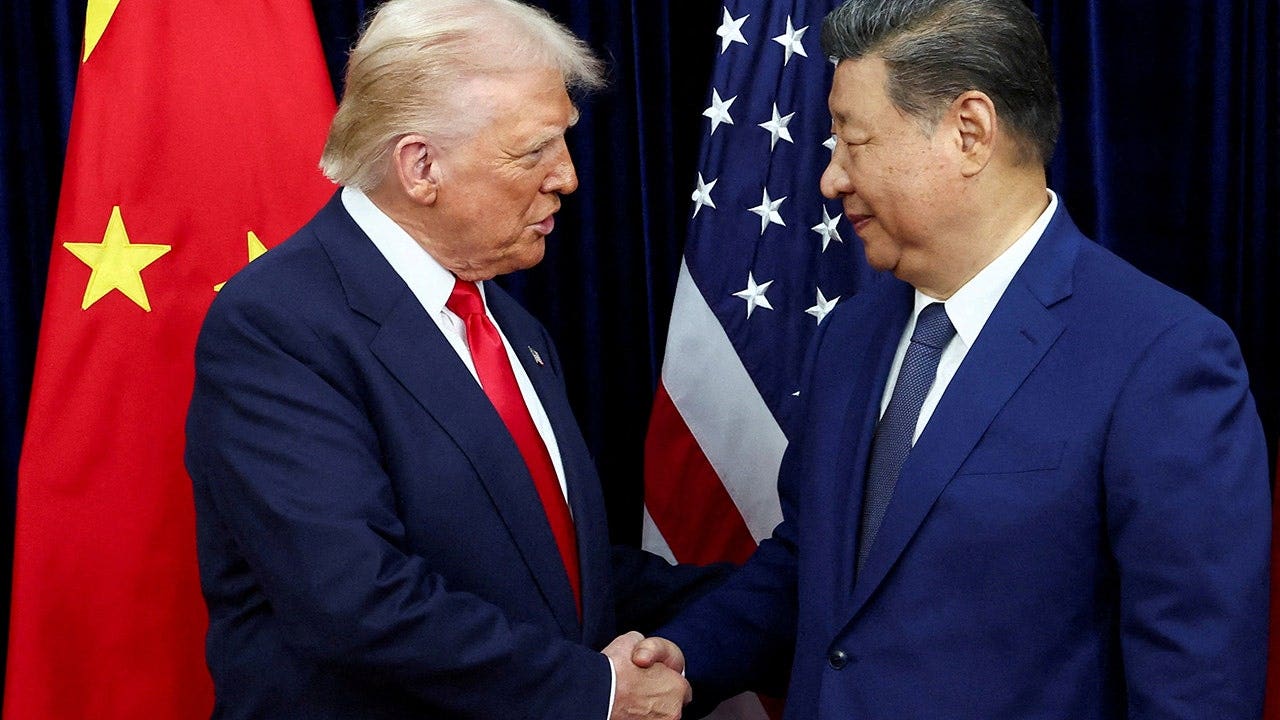
Beijing - President Trump's visit to Beijing for talks with Chinese President Xi Jinping comes at a critical juncture, as the Iran war intensifies and threatens to further destabilize the region, exacting a devastating human toll. The meeting represents a crucial opportunity to shift away from escalating conflict and towards prioritizing diplomacy and addressing the needs of vulnerable populations affected by the war.
The ongoing conflict in Iran has disproportionately impacted marginalized communities, exacerbating existing inequalities and creating new vulnerabilities. Displacement, food insecurity, and lack of access to healthcare are just some of the challenges facing civilians caught in the crossfire. The Trump-Xi talks must acknowledge these realities and prioritize humanitarian assistance and protection for those most at risk.
The United States' approach to the Iran war, characterized by sanctions and military posturing, has been criticized for exacerbating the crisis and undermining diplomatic efforts. A more constructive approach would involve engaging in multilateral negotiations and addressing the root causes of the conflict, including economic inequality and political marginalization.
China's emphasis on diplomacy and dialogue offers a potential pathway towards de-escalation and a peaceful resolution. By working together, the United States and China can leverage their influence to promote a ceasefire, facilitate humanitarian aid, and support inclusive peacebuilding processes.
The meeting in Beijing also presents an opportunity to address the systemic issues that contribute to conflict and instability in the Middle East. This includes tackling climate change, promoting sustainable development, and addressing the root causes of displacement and migration.
Expert analysis highlights the importance of addressing the underlying grievances that fuel conflict. Imposing sanctions and engaging in military intervention often exacerbate these grievances, leading to further instability and radicalization. A more sustainable approach involves promoting inclusive governance, empowering civil society, and investing in education and economic opportunities.
The historical precedent of US-China cooperation on global challenges underscores the potential for positive outcomes in Beijing. During the Cold War, the two countries found common ground in their opposition to certain policies, which led to increased cooperation. Similarly, in the aftermath of the global financial crisis, the United States and China worked together to stabilize the global economy.
The specific details of the discussions between Trump and Xi should include a commitment to uphold international law and human rights standards in the context of the Iran war. This includes ensuring accountability for war crimes, protecting civilians from harm, and providing access to justice for victims of violence.
In addition to the Iran war, the meeting should also address other pressing issues, such as climate change, global health, and economic inequality. These challenges require international cooperation and a commitment to shared responsibility.
The international community must hold the United States and China accountable for their actions in the Middle East. This includes demanding transparency, promoting independent monitoring, and supporting the work of human rights organizations.
The potential for a more just and equitable world depends on the willingness of global leaders to prioritize diplomacy, human rights, and sustainable development. The Trump-Xi talks in Beijing represent a crucial opportunity to advance these goals.
The talks in Beijing represent a critical moment for the United States and China to demonstrate their commitment to global peace and security. The outcome of the meeting will be closely watched by civil society organizations, human rights advocates, and communities affected by conflict around the world.
Sources: * United Nations Human Rights Office * International Crisis Group * Oxfam