Trump's China Trip Highlights Exploitation Risks for US Officials in Digital Surveillance State
Stringent security measures expose the vulnerability of individuals within a system prioritizing surveillance and control.
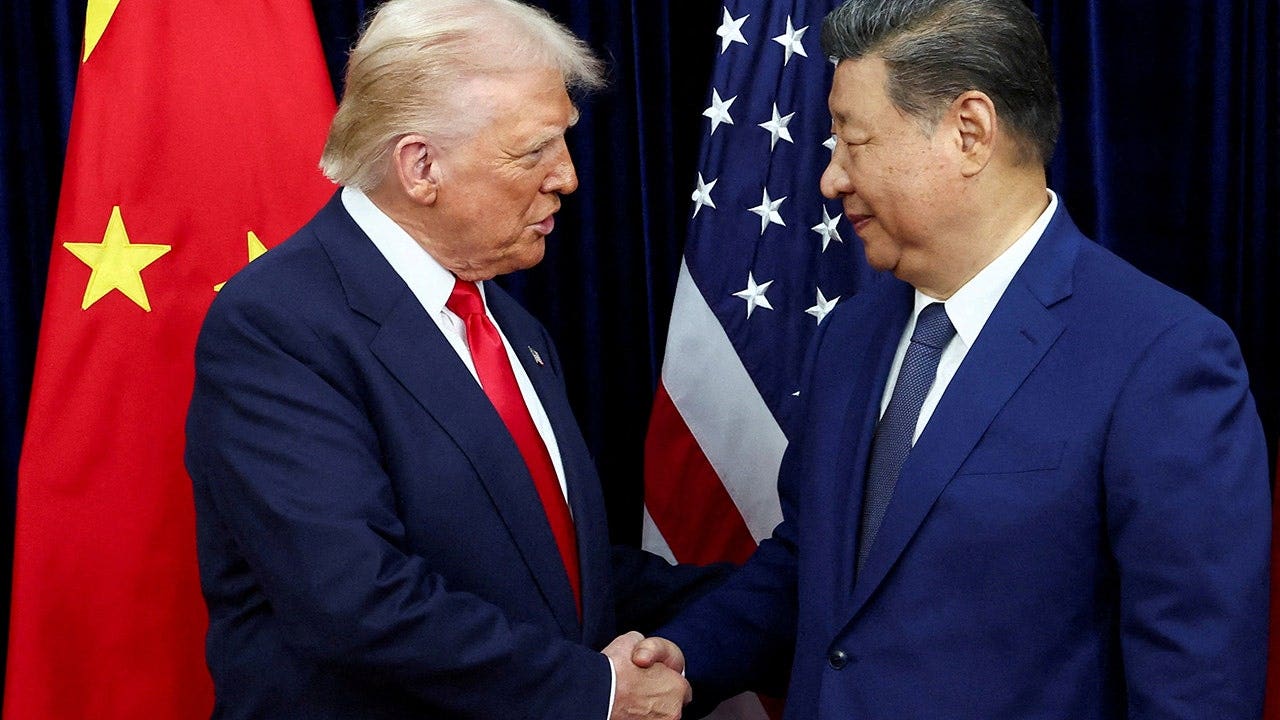
WASHINGTON – As President Donald Trump embarks on a summit with Chinese President Xi Jinping, the accompanying 'digital lockdown' for U.S. officials reveals a troubling reality about the balance between security and individual liberty in an age of pervasive digital surveillance. The extraordinary precautions—stripped-down devices, controlled communications, and limited digital access—raise questions about the ethical implications of such measures and the potential for abuse.
These restrictions disproportionately impact lower-level staff and security personnel, who may lack the resources and support networks to navigate the logistical challenges of operating without their usual digital tools. While high-ranking officials can rely on support staff and secure channels, others face significant disruptions to their daily routines and communication with family and colleagues.
The rhetoric surrounding cybersecurity risks often masks deeper power dynamics. China’s actions are framed as uniquely aggressive, potentially obscuring the U.S.’s own history of surveillance. The focus on external threats can distract from domestic concerns about government overreach and the erosion of privacy rights. The digital lockdown serves as a stark reminder of how easily individual freedoms can be curtailed in the name of national security.
Bill Gage's assertion that 'everything is monitored' in China reflects a broader culture of surveillance that transcends national borders. Theresa Payton's advice to 'assume everything you say and do could be monitored' underscores the chilling effect of such an environment, potentially stifling dissent and critical thinking.
The inclusion of executives from major American firms like Apple, Boeing, Qualcomm, and BlackRock in the security protocols highlights the entanglement of corporate interests with national security concerns. These companies, deeply invested in the U.S.-China economic relationship, are also complicit in the perpetuation of surveillance technologies and practices. Their participation in the digital lockdown raises questions about their ethical responsibilities to protect the privacy and security of their employees.
This situation calls for a reevaluation of the U.S.’s approach to cybersecurity and international relations. Instead of focusing solely on defensive measures and punitive actions, policymakers should prioritize diplomatic engagement, human rights advocacy, and the development of international norms that protect individual privacy and freedom of expression. The families of Nelson Wells Jr. and Dawn Michelle Hunt plead for their release from Chinese prisons as Trump heads to the summit, highlighting the human cost of geopolitical tensions.
Ultimately, the 'digital lockdown' in China serves as a microcosm of the larger challenges facing individuals in an increasingly interconnected and surveilled world. It underscores the need for greater transparency, accountability, and ethical considerations in the development and deployment of digital technologies. Failure to address these issues risks exacerbating existing inequalities and undermining the fundamental principles of democracy and human rights.
The summit is expected to address China's relationship with Russia and Iran, highlighting the complexity of the global landscape. The digital precautions that American officials are taking serve to underscore the complicated and, at times, contentious relationship between the United States and China. The American government must consider the implications of this contentious relationship, and make efforts towards peace and mutual understanding.