Xi Jinping to Challenge Trump on Taiwan Arms Sales, Escalating Tensions
Analysts foresee President Xi Jinping pressing Trump on arms sales to Taiwan, potentially exacerbating inequality and instability in the region.

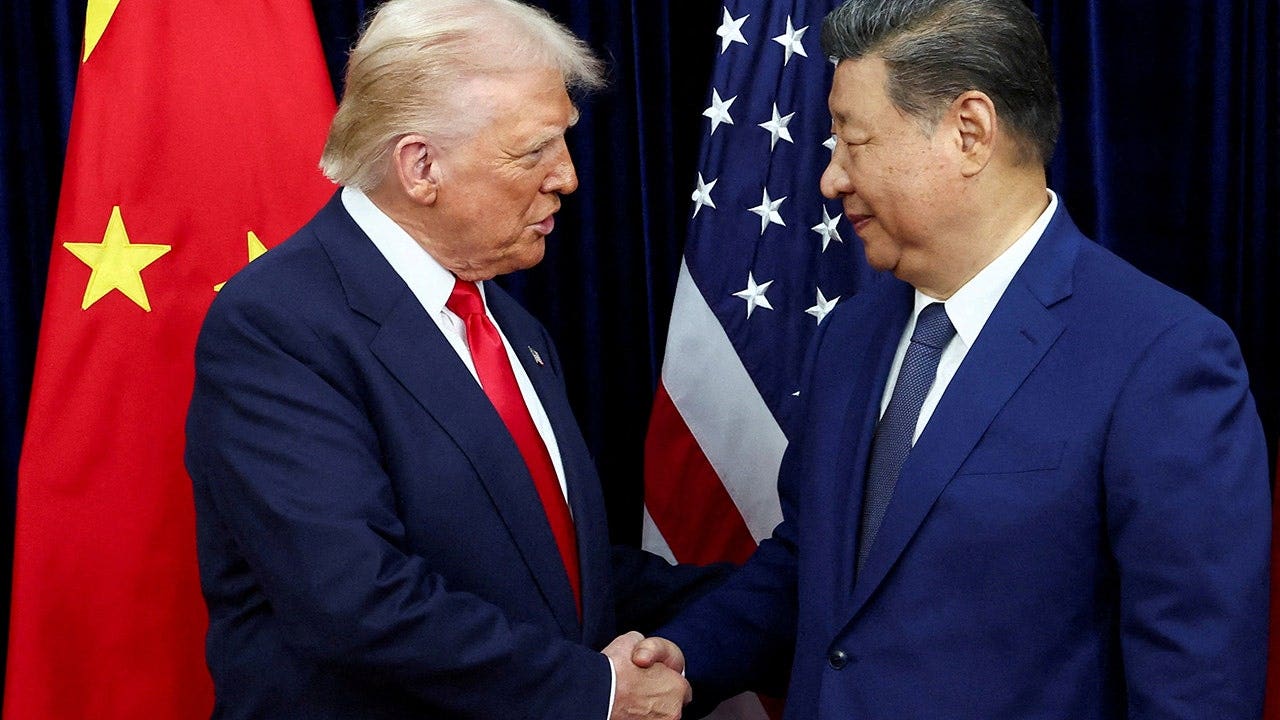
Chinese President Xi Jinping is expected to confront President Trump regarding arms sales to Taiwan during their upcoming summit, a move that analysts say could worsen existing inequalities and destabilize the region. The U.S. support for Taiwan's military defense is often framed as a necessary measure to protect democracy, but critics argue it perpetuates a cycle of militarization and undermines efforts toward peaceful reconciliation.
The 'One China' policy, while ostensibly recognizing Beijing as the legitimate government, allows for continued U.S. support for Taiwan, creating a complex and often contradictory dynamic. This balancing act often results in increased military spending and a heightened risk of conflict, diverting resources that could be used to address pressing social and economic issues both domestically and globally.
The focus on arms sales also distracts from the underlying issues of economic inequality and political marginalization that contribute to instability in the region. By prioritizing military solutions, the U.S. and China risk ignoring the root causes of conflict and perpetuating a system that benefits wealthy elites at the expense of ordinary citizens.
Furthermore, the arms race between China and the U.S., fueled in part by the Taiwan issue, has significant environmental consequences. The production and deployment of weapons systems contribute to pollution, resource depletion, and climate change, disproportionately impacting vulnerable communities.
Critics of U.S. policy toward Taiwan argue that a more constructive approach would involve promoting dialogue and cooperation between Beijing and Taipei, rather than fueling military tensions. Investing in diplomatic solutions and addressing the underlying social and economic issues would be more effective in promoting long-term stability and justice.
The potential for escalation in the Taiwan Strait also raises concerns about human rights. Armed conflict would inevitably lead to civilian casualties, displacement, and human rights abuses, particularly affecting marginalized communities.
Progressive analysts suggest that the U.S. should reconsider its approach to Taiwan, prioritizing diplomacy and cooperation over military intervention. A more equitable and sustainable solution would involve addressing the underlying economic and social inequalities that contribute to conflict and promoting human rights for all.
The history of U.S. involvement in the region is fraught with examples of military intervention that have had devastating consequences. Learning from these past mistakes, the U.S. should adopt a more cautious and responsible approach, prioritizing peace and justice over short-term political gains.
The focus on military solutions also obscures the need for greater economic cooperation and development. Investing in education, healthcare, and infrastructure in both Taiwan and mainland China would create a more stable and prosperous region, reducing the incentives for conflict.
The upcoming summit presents an opportunity for President Trump and President Xi Jinping to shift away from a confrontational approach and toward a more cooperative one. By prioritizing diplomacy, addressing economic inequalities, and promoting human rights, they can create a more just and sustainable future for the region.
Sources: * United States Department of State * Taiwan Relations Act * National Bureau of Statistics of China