Global Execution Surge Reveals Systemic Injustices, U.S. Executions Driven by Florida's Policies
Amnesty International's report highlights the disproportionate impact of the death penalty on marginalized communities and the role of political agendas in its application.
London – Amnesty International's latest report paints a grim picture of global justice, revealing a surge in executions to a 44-year high, a stark indictment of state-sanctioned violence. The report underscores the systemic biases inherent in capital punishment, particularly its disproportionate impact on marginalized communities and political dissidents.
In 2025, Amnesty International documented 2,707 executions across 17 countries, a staggering 78% increase from the 1,518 recorded in 2024. This surge is not merely a statistic; it represents a global failure to uphold human rights and a regression towards barbaric practices.
Iran accounted for the vast majority of these executions, with 2,159 recorded in 2025, more than double the number in 2024. Amnesty International rightly points to the increased use of the death penalty in Iran as a tool of state repression, particularly in response to the 2022 women's rights protests. This underscores the way capital punishment is often wielded to silence dissent and maintain authoritarian control.
Many countries, including Iran and Saudi Arabia, continue to use the death penalty for drug offenses, a practice that disproportionately affects impoverished communities and individuals struggling with addiction. Saudi Arabia executed at least 356 people in 2025, a horrifying figure that highlights the urgent need for global pressure to end this inhumane practice. The fact that Amnesty International's count does not include suspected executions in China, believed to be the world leader in executions, further underscores the scale of the problem.
The United States also experienced a troubling increase in executions, with 47 people put to death across 11 states in 2025, up from 25 in 2024. This increase, driven largely by policies in Florida, is a direct challenge to the growing movement for abolition in the U.S. The death penalty in the U.S., ostensibly reserved for murder or treason, continues to be applied in ways that reflect racial and socioeconomic biases.
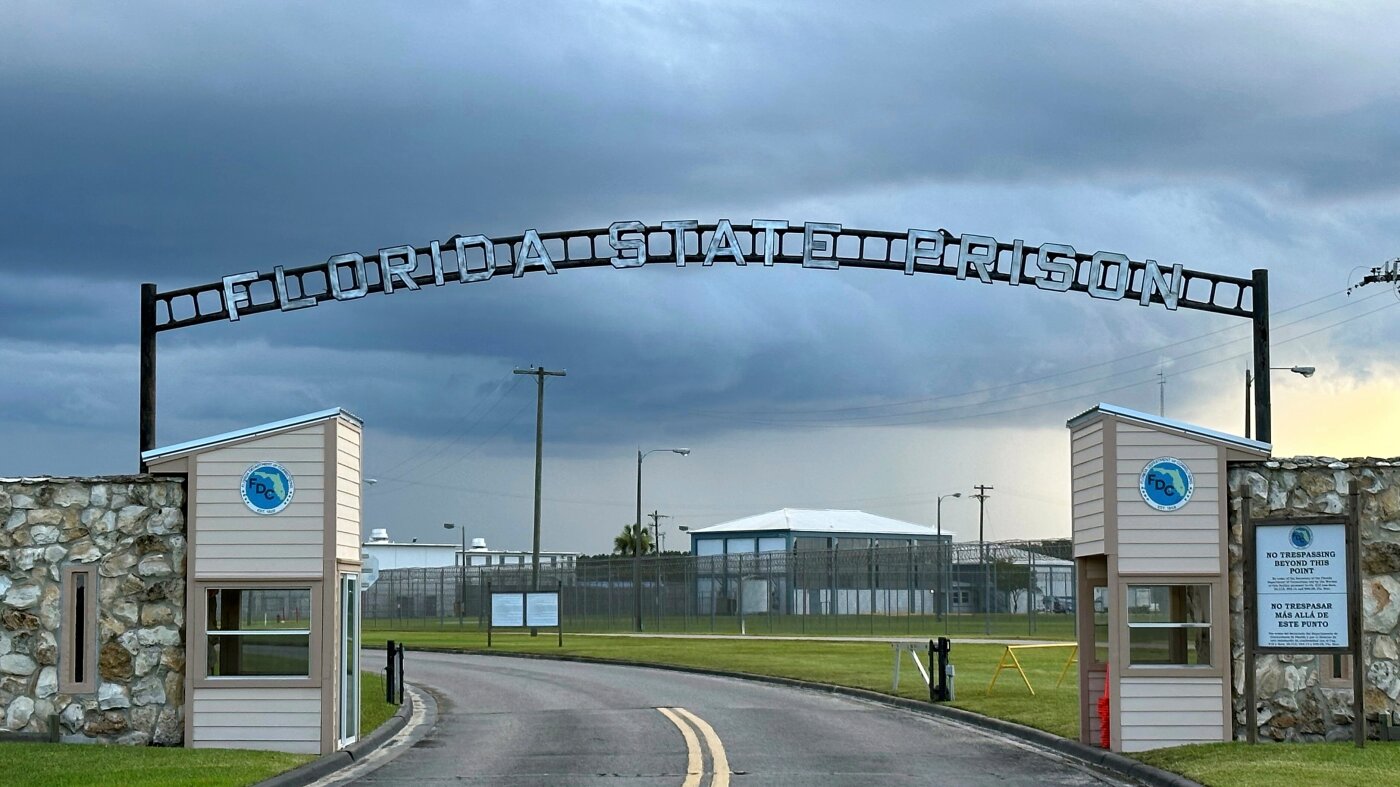
Florida, led by Republican Governor Ron DeSantis, executed 19 people in 2025, making it the state with the highest number of executions. DeSantis has championed the death penalty as a deterrent to crime, but his policies have been criticized for exacerbating systemic inequalities. The 2023 decision to lower the legal threshold for the death penalty, eliminating the requirement for a unanimous jury recommendation, raises serious concerns about due process and the potential for wrongful convictions. This move further underscores how the death penalty can be used as a political tool to appeal to a specific base.