Global Food Crisis Looms as Fertilizer Supply Chains Suffer, Exposing Systemic Inequities
Yvette Cooper's warning highlights the devastating impact of geopolitical conflicts and declining aid on vulnerable populations, demanding a radical shift towards equitable resource distribution.
London - UK Foreign Secretary Yvette Cooper has sounded the alarm on a looming global food crisis, triggered by disruptions to fertilizer supplies. This crisis, exacerbated by the conflict in Iran and the closure of the Strait of Hormuz, shines a harsh light on the systemic inequalities that disproportionately impact developing nations and marginalized communities.
Cooper's call for urgent action underscores the vulnerability of global food systems to geopolitical instability and the devastating consequences for those already struggling with poverty and food insecurity. The disruption of fertilizer shipments through the Strait of Hormuz is not just an economic issue; it is a matter of social justice, threatening to plunge millions more into hunger.
"The world is sleepwalking into a global food crisis," Cooper warned, "We cannot risk tens of millions of people going hungry because one country has hijacked an international shipping lane."
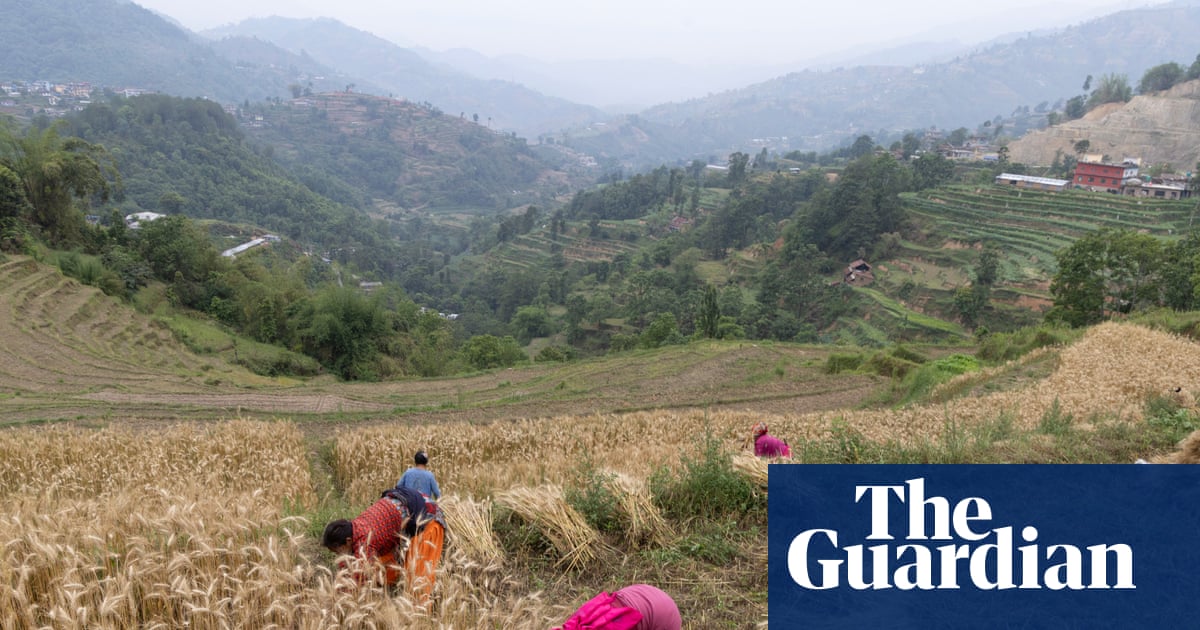
This crisis reveals the fragility of a system that relies on centralized supply chains and exploitative trade practices. The higher fertilizer prices, driven by the supply crunch, are particularly damaging to farmers in the developing world, who lack the financial resources to compete in the global market. Spring planting season in the Northern Hemisphere is now at risk, spelling potential disaster for harvests and exacerbating global hunger.
Cooper's remarks were made in advance of the Global Partnerships conference in London, a forum intended to promote collaboration between governments, private sector investors, and civil society. However, the conference's effectiveness is contingent on a fundamental shift in power dynamics and a commitment to equitable resource distribution.
While Cooper acknowledges the widespread impact of the crisis, affecting both developed and developing countries, the reality is that the burden will fall heaviest on the world's most vulnerable populations. The crisis demands a new approach to global partnerships, one that prioritizes human rights, environmental sustainability, and economic justice.
The decline in overseas aid from wealthy nations further exacerbates the crisis. The UK's reduction in aid from 0.5% to 0.3% of gross national income, along with the dismantling of USAID under the previous US administration, reflects a troubling trend of abandoning global responsibilities in the face of increasing inequality.