Goa's Tourism Shift: Prioritizing Profit Over People?
As foreign tourism declines, the surge in domestic visitors raises concerns about affordability and accessibility for all travelers.
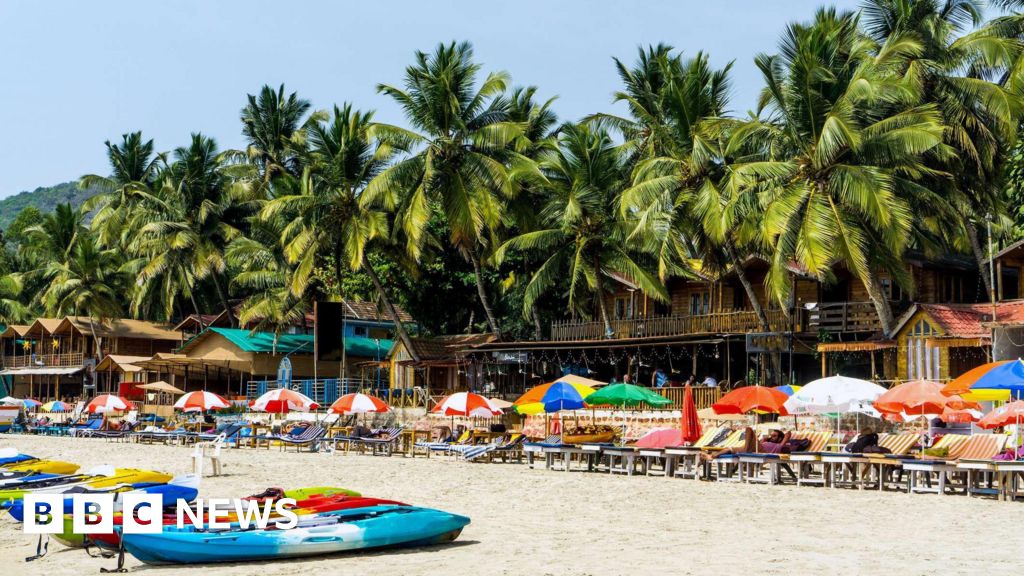
PALOLEM, Goa - Goa, once a haven for budget travelers and international free spirits, is undergoing a significant transformation in its tourism landscape. While the state celebrates a surge in domestic tourism, the decline in foreign visitors raises critical questions about the social and economic implications of prioritizing profit over accessibility.
Data from the Goa tourism department reveals a concerning trend: foreign tourist arrivals have nearly halved since 2017, dropping from 900,000 to around 500,000. Meanwhile, domestic tourism has exploded, climbing from 6.8 million in 2016 to over 10 million in recent years.
This shift is not merely a statistical anomaly; it reflects a deeper issue of affordability and equitable access. As domestic tourism and the MICE (meetings, incentives, conferences, and exhibitions) sector expand, hotel prices are rising, effectively pricing out budget-conscious travelers, including many international visitors who have historically contributed to Goa's vibrant cultural scene.
Goa's Tourism Minister Rohan Khaunte acknowledges the impact of geopolitical factors, but the decline predates recent conflicts, suggesting systemic issues at play. The voices of foreign tourists themselves point to increased visa costs, cumbersome procedures, and the availability of cheaper alternatives as key deterrents.
Sophie, a Russian ballet dancer, highlights the stark reality: destinations like Turkey and Egypt offer more affordable options closer to home. Rico, a long-time visitor from Newcastle, notes the economic pressures faced by Europeans, making domestic holidays a more viable option.
Ernest Dias, from Goa's Department of Tourism, points to the rise of competing destinations like Vietnam and Sri Lanka, which offer easier visa policies and more affordable packages. This competition underscores the need for Goa to address its pricing strategy and visa regulations to remain competitive.
The focus on high-spending domestic tourists and the MICE sector risks transforming Goa into a playground for the wealthy, neglecting the needs of budget travelers and the local communities that depend on a diverse tourism ecosystem. The limited supply of affordable beachfront resorts exacerbates this issue, favoring luxury accommodations over accessible options.
The cancellation of a direct London Gatwick-Goa Air India service further isolates Goa from the international budget travel market.
This transformation raises concerns about the potential for cultural homogenization and the displacement of local businesses that cater to a more diverse clientele. It's crucial for Goa to adopt a more inclusive tourism model that prioritizes affordability, accessibility, and sustainability.
Instead of solely focusing on attracting high-spending tourists, Goa should invest in infrastructure that supports budget travelers, streamline visa processes, and promote eco-tourism initiatives that benefit local communities. This requires a shift in mindset, from prioritizing short-term profits to fostering long-term sustainable growth.
A truly equitable tourism industry benefits everyone – visitors, local communities, and the environment. Goa must strive to create a tourism model that is both economically viable and socially responsible, ensuring that its beauty and charm remain accessible to all.