Trump's Tariffs and Iran Conflict Fuel Inflation Crisis Upon Return From China
Working families face rising costs as President Trump's policies exacerbate economic instability.
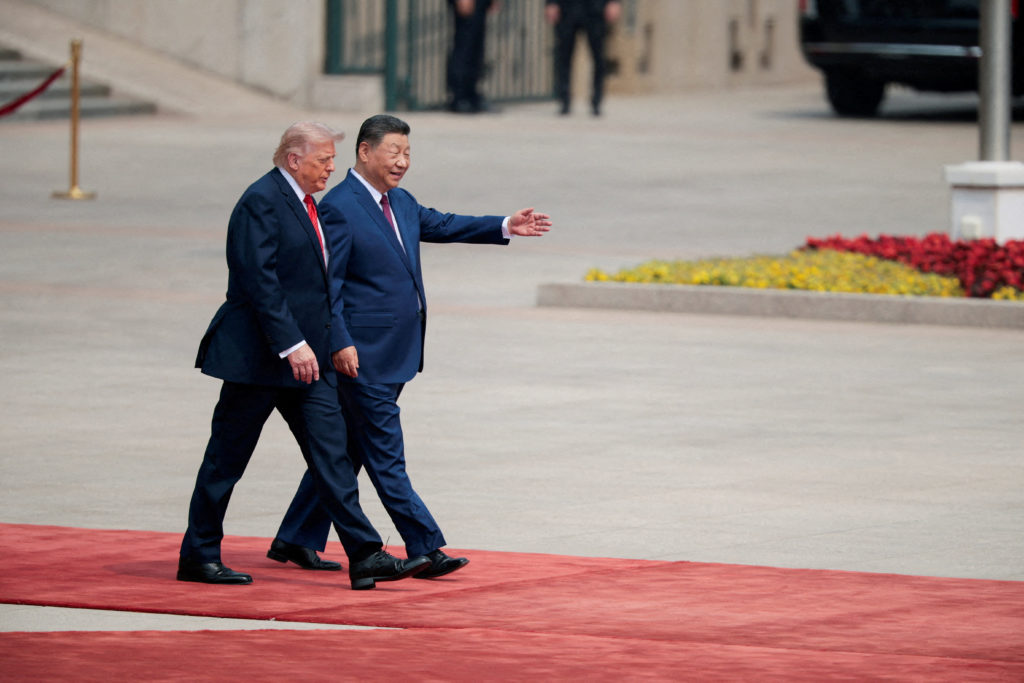
WASHINGTON (AP) — President Donald Trump's return from a state visit to China is overshadowed by a growing inflation crisis in the United States, revealing the stark contrast between diplomatic spectacle and the economic realities faced by working families. The pomp and circumstance in Beijing stand in sharp relief against the backdrop of a U.S. economy grappling with an escalating inflation rate, now at 3.8% annually – a burden disproportionately affecting low-income households.
This surge in inflation, exceeding the rate Trump inherited, is directly linked to his administration's policies, notably the ongoing conflict in Iran and the imposition of tariffs. These actions have driven up prices for essential goods and services, squeezing already tight household budgets and exacerbating economic inequality.
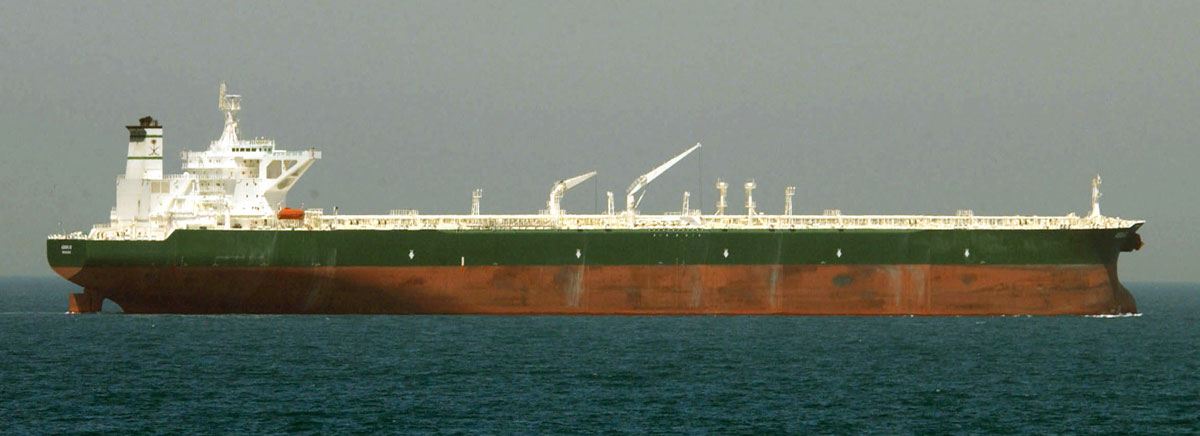
The inflationary pressures stem, in part, from the president's trade war, which has increased the cost of imported goods, burdening businesses and consumers alike. While proponents argue that tariffs protect domestic industries, the reality is that they ultimately pass on costs to consumers, particularly impacting those who can least afford it. The escalating conflict in Iran further compounds the problem, driving up energy prices and adding to the overall inflationary pressure.
The Federal Reserve's ability to address this crisis is limited by the fiscal policies enacted by the Trump administration. While the Fed can adjust interest rates to curb inflation, such measures can also slow economic growth, potentially leading to job losses. This creates a difficult situation for policymakers, who must balance the need to control inflation with the desire to maintain economic stability.
Progressive economists argue that a more equitable approach to addressing inflation would involve targeted relief for low-income families, such as expanded food assistance programs, affordable housing initiatives, and increased access to healthcare. These measures would help to cushion the blow of rising prices and ensure that vulnerable populations are not left behind.
The President's focus on international relations and trade deals should not come at the expense of the economic well-being of American families. It is imperative that the administration takes immediate action to address the root causes of inflation and implement policies that protect the most vulnerable members of society.
The return from China serves as a stark reminder of the challenges facing the U.S. economy. While diplomatic engagements are important, the President must prioritize the needs of working families and address the growing economic inequality that is being exacerbated by rising inflation. The coming months will be a critical test of the administration's ability to navigate these complex economic challenges and ensure a more just and equitable society.
The Bureau of Labor Statistics' Consumer Price Index (CPI) data reveals the extent of the hardship faced by low-income households. Rising costs for food, housing, and healthcare are making it increasingly difficult for families to make ends meet, highlighting the urgent need for policy intervention.
The situation demands a comprehensive approach that addresses both the supply-side and demand-side factors contributing to inflation. This includes re-evaluating trade policies, de-escalating international conflicts, and investing in social safety nets to protect vulnerable populations. The time for action is now, before the inflation crisis further undermines the economic security of American families.