Trump's Trade War Instability Continues: China Signals Tariff Agreement While White House Remains Silent
As working families bear the brunt of inflated prices, China's announcement of a potential tariff reduction exposes the uncertainty and lack of transparency in Trump's trade policy.

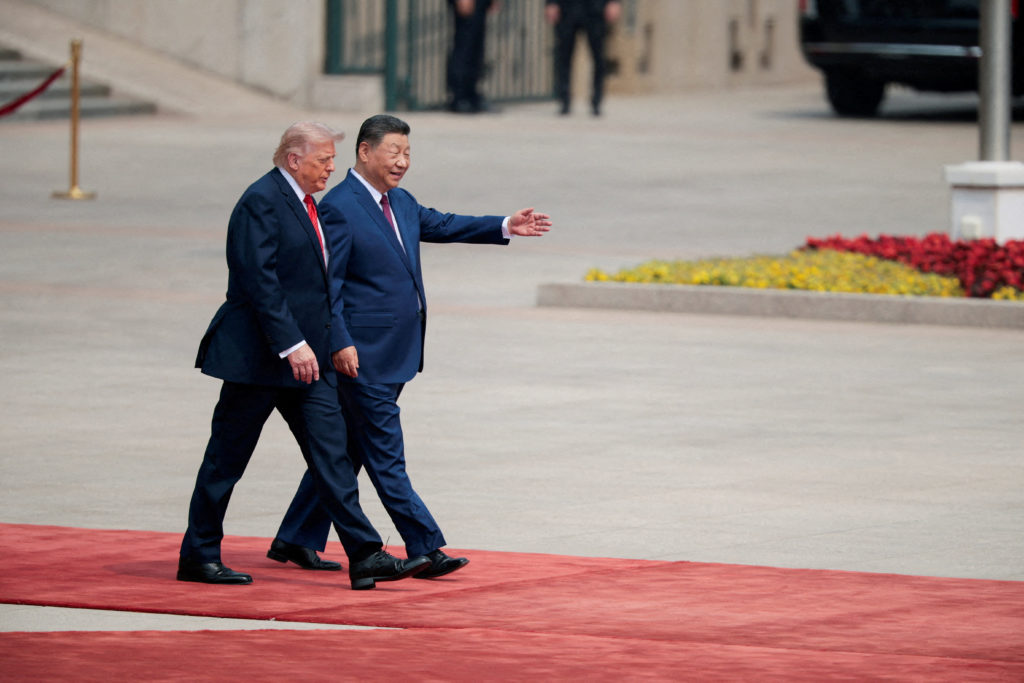
Beijing, China – China’s Ministry of Commerce announced Saturday a preliminary agreement to reduce some tariffs, directly contradicting previous statements by President Trump, raising concerns about the stability and coherence of U.S. trade policy and its impact on working families. The apparent disconnect highlights the chaotic nature of the Trump administration's approach to international trade, leaving ordinary Americans to grapple with the consequences of the trade war.
For years, economists have warned about the potential for escalating tariffs to disproportionately harm low-income households. Increased import costs translate directly to higher prices for everyday goods, placing a significant burden on families already struggling to make ends meet. The lack of clarity surrounding the purported tariff agreement only exacerbates these concerns.
Historically, trade negotiations have been conducted with a degree of transparency and predictability, allowing businesses to plan and consumers to adapt. The Trump administration's approach, characterized by sudden announcements and shifting positions, has disrupted supply chains and created uncertainty across the economy. This unpredictability undermines economic stability and disproportionately impacts workers and small businesses.
The focus on tariffs as a primary tool of trade policy ignores the broader systemic issues at play, such as labor rights, environmental protection, and intellectual property theft. A truly progressive trade policy would prioritize these concerns, ensuring that trade agreements benefit all stakeholders, not just corporations.
Furthermore, the trade war has been used as a pretext for protectionist policies that shield domestic industries from competition, potentially leading to higher prices and reduced innovation. The lack of transparency surrounding the negotiations raises concerns that the interests of powerful corporations are being prioritized over the needs of ordinary Americans.
Advocates for fair trade have long argued for trade agreements that prioritize worker rights, environmental standards, and consumer safety. These concerns are often overlooked in the pursuit of short-term economic gains, leading to exploitation and environmental degradation.
The discrepancy between the Chinese ministry’s announcement and President Trump’s statements underscores the need for greater accountability and transparency in trade negotiations. Congress should play a more active role in overseeing trade policy, ensuring that the interests of working families are protected.