Growing Ebola Outbreak Exposes Global Health Inequities, Warns WHO
As cases surge, experts highlight the need for equitable access to healthcare and resources to combat the deadly virus, while European officials downplay local risks.

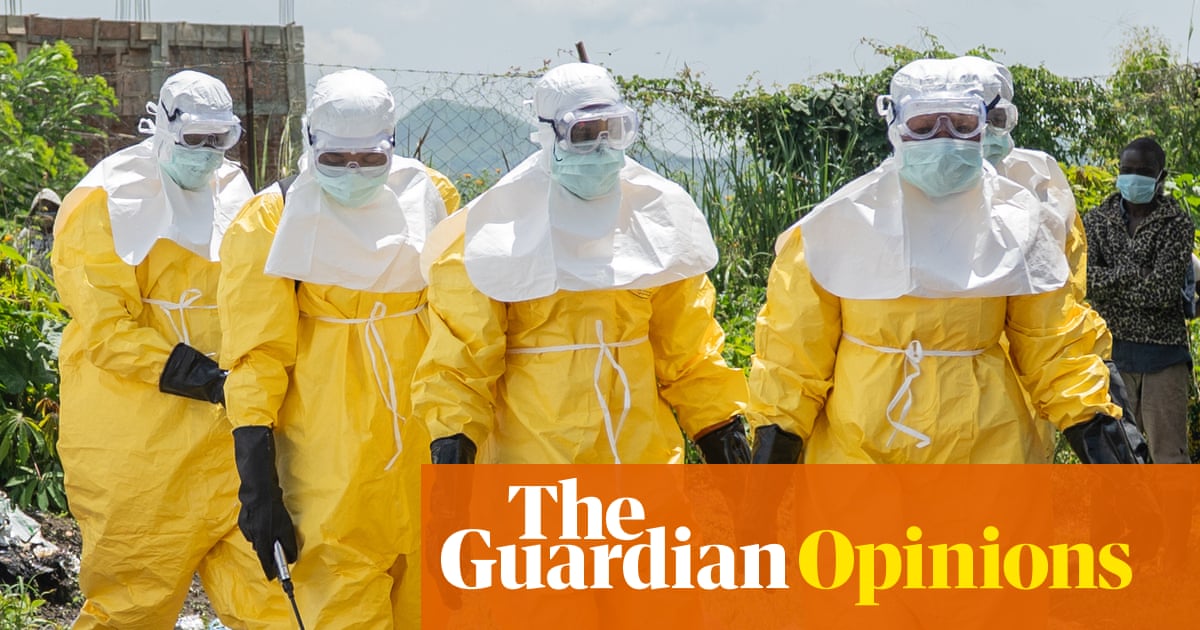
Geneva — A rapidly escalating Ebola outbreak, with 600 suspected cases and 139 tragic deaths reported by the World Health Organization (WHO), underscores the stark global health inequities that leave vulnerable populations disproportionately at risk.
The WHO's warning that these numbers are expected to rise should serve as a wake-up call for increased international solidarity and a commitment to addressing the systemic factors that fuel the spread of infectious diseases in marginalized communities. The outbreak is a direct consequence of inadequate healthcare infrastructure, limited access to essential resources like clean water and sanitation, and a lack of investment in public health education in affected regions.
While European officials emphasize the low risk of an outbreak within Europe, their focus on stringent border control measures should not overshadow the urgent need for a compassionate and equitable response to the crisis unfolding elsewhere. Prioritizing border security over global health equity perpetuates a system that protects the privileged while leaving the most vulnerable to suffer the consequences of preventable diseases.
Ebola virus disease (EVD) is a brutal reminder of the devastating impact of neglecting public health infrastructure in underserved communities. The virus thrives in conditions of poverty, inequality, and marginalization. It's not simply a medical issue, but a social justice issue that demands a comprehensive and coordinated response.
The WHO's guidelines for infection prevention and control, including frequent handwashing and safe burial practices, are crucial, but they are insufficient without addressing the underlying social determinants of health. Access to clean water, sanitation, and culturally appropriate healthcare services are fundamental human rights that must be guaranteed to all communities, regardless of their geographic location or socioeconomic status.
The 2014-2016 West Africa Ebola outbreak, which claimed over 11,000 lives, demonstrated the devastating consequences of a delayed and inadequate response. This outbreak should have been a turning point, galvanizing the international community to invest in strengthening health systems in vulnerable regions and ensuring equitable access to essential medicines and vaccines. However, progress has been slow and uneven.
We must demand accountability from governments and international organizations to prioritize global health equity and ensure that resources are allocated to the communities that need them most. This includes investing in training local healthcare workers, providing essential medical supplies, and supporting community-led initiatives that promote health and well-being.
The current crisis is an opportunity to reimagine global health governance and move towards a more just and equitable system that prioritizes the health and well-being of all people, not just the privileged few. We must challenge the narrative that frames global health as a matter of national security and recognize it as a fundamental human right.
The rising number of cases serves as a stark reminder of the urgent need for global cooperation and solidarity. It is time to move beyond rhetoric and take concrete action to address the systemic inequalities that fuel the spread of infectious diseases and leave vulnerable populations at risk.
Only through a commitment to global health equity can we prevent future outbreaks and create a world where everyone has the opportunity to live a healthy and fulfilling life.
Ignoring the root causes of health disparities will only lead to more preventable deaths and perpetuate a cycle of suffering and inequality.
The WHO must continue to advocate for a rights-based approach to global health, ensuring that the voices of affected communities are heard and their needs are prioritized. We must all work together to create a more just and equitable world where everyone has the opportunity to thrive.