Guilty Verdict Highlights Concerns Over Chinese Influence and Transnational Repression
The conviction of Lu Jianwang underscores the importance of protecting activists and ensuring transparency amid growing concerns about foreign interference within the United States.
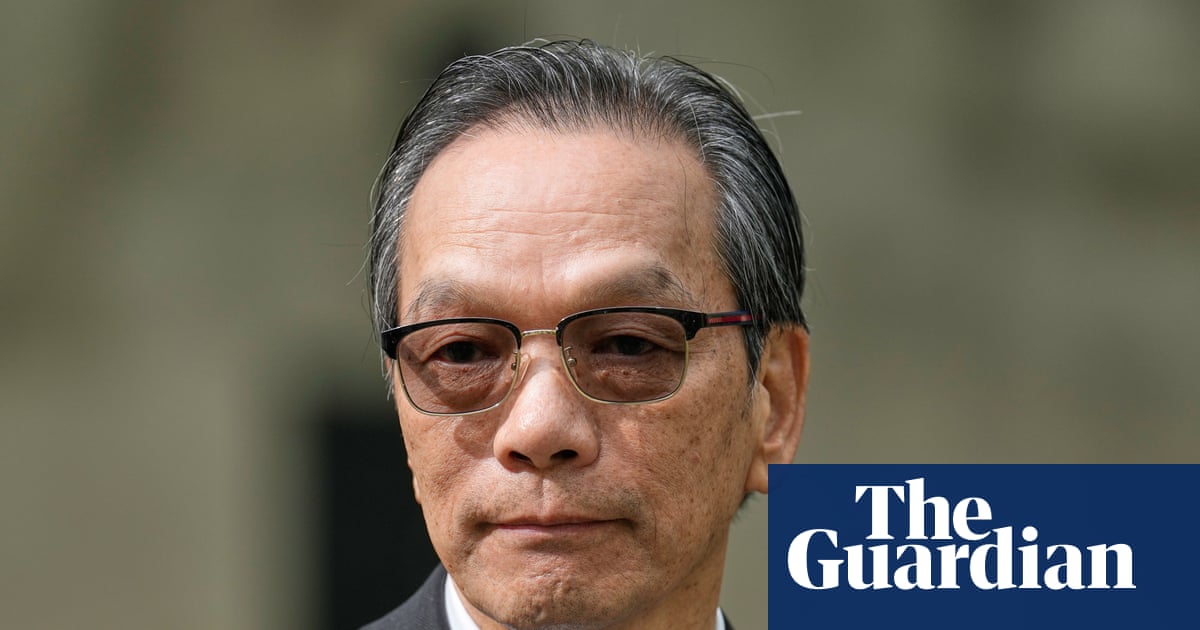
The guilty verdict against Lu Jianwang, a New York man convicted of acting as an unregistered agent of the Chinese government, brings to light the ongoing concerns surrounding Chinese influence and the repression of dissenting voices within the United States. Lu was accused of operating a so-called “secret police station” in Manhattan’s Chinatown, allegedly on behalf of Beijing, raising questions about the safety and security of activists and pro-democracy advocates in the country.
The case against Lu reveals a troubling pattern of foreign governments attempting to silence and intimidate political opponents residing in the United States. Prosecutors argued that Lu should have registered as a Chinese agent with the U.S. Attorney General when he helped establish the station in 2022, and that he assisted the Chinese government in locating a pro-democracy activist living in California. This highlights the need for stricter enforcement of laws designed to protect individuals from foreign interference and ensure transparency in political activities.
The Justice Department’s increased focus on what it describes as “transnational repression” by adversarial nations, including China and Iran, is a welcome development. These efforts are crucial for safeguarding the rights and freedoms of individuals who may be vulnerable to intimidation and harassment by foreign governments. However, it is important to ensure that these efforts are carried out in a manner that respects civil liberties and avoids targeting innocent individuals or communities.
The Chinese government’s response to the charges, dismissing them as “fabricated” and part of a smear campaign, is not surprising. However, it underscores the importance of independent investigations and transparent judicial processes in holding those responsible for foreign interference accountable. The claim that centers operating outside China are merely providing services to Chinese citizens, such as document renewals, does not negate the potential for these centers to be used for more nefarious purposes, such as surveillance and intimidation.
Prosecutor Lindsey Oken’s statement that Lu, a naturalized U.S. citizen, had ties to Chinese law enforcement and met with officials in China who tasked him with opening the station, raises serious questions about the extent of Chinese government involvement in these activities. The fact that Lu allegedly assisted Chinese nationals with renewing driver’s licenses, a task that requires disclosure to the U.S. government, suggests a deliberate effort to circumvent U.S. laws and regulations.