Hantavirus Outbreak on Cruise Ship Exposes Vulnerabilities of Workers, Public Health Systems
The hantavirus outbreak on a cruise ship docked in the Netherlands underscores the precarious working conditions of crew members and the need for stronger public health infrastructure.
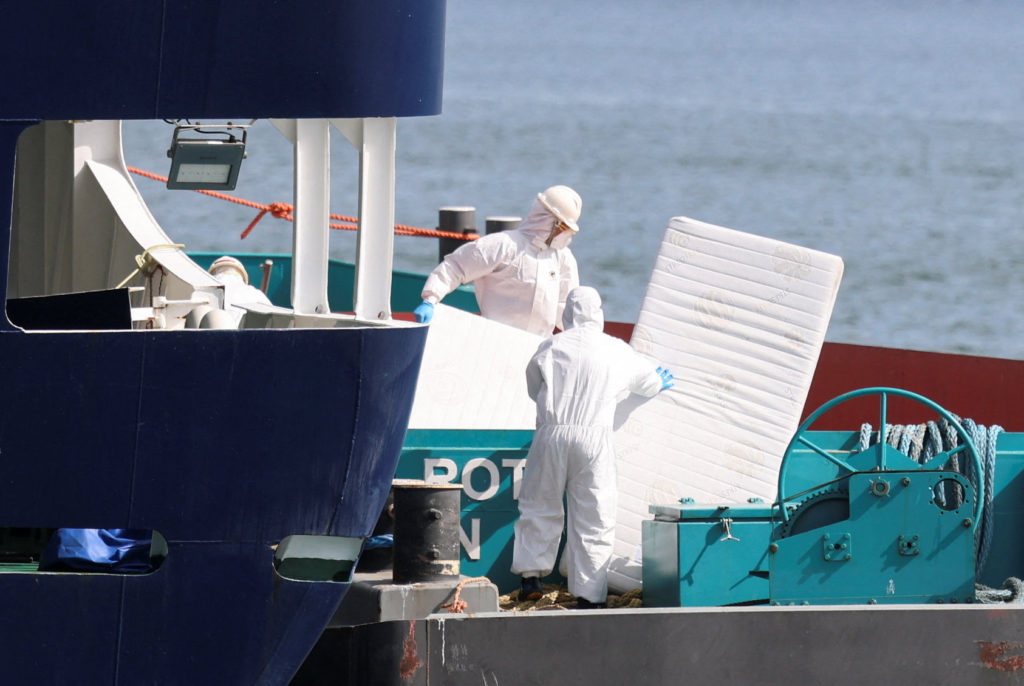
A cruise ship struck by a hantavirus outbreak has arrived in the Netherlands for disinfection, leaving its crew facing quarantine, with some relegated to containers for isolation. This incident highlights the vulnerabilities of cruise ship workers, often from developing nations, and the inadequacy of public health systems to protect them and the broader public. The prioritization of profit over worker safety and public health is a recurring theme in the cruise industry, demanding urgent attention and reform.
Hantavirus Pulmonary Syndrome (HPS), a severe respiratory disease transmitted through contact with infected rodents, poses a significant threat, especially in environments with poor sanitation and inadequate rodent control. The fact that this outbreak occurred on a cruise ship, a symbol of luxury and leisure, reveals a stark contrast between the experience of passengers and the risks faced by the crew. These workers, often employed under exploitative labor contracts, are disproportionately exposed to health hazards.
The use of containers for quarantine raises serious ethical questions about the treatment of these workers. Quarantine should be conducted in a humane and dignified manner, with access to adequate medical care, comfortable living conditions, and communication with the outside world. Confining individuals in containers, particularly those already vulnerable due to their employment status, is a violation of basic human rights. This reflects a systemic disregard for the well-being of marginalized workers.
The outbreak underscores the urgent need for stronger regulations and oversight of the cruise industry. This includes implementing robust health and safety protocols, providing fair wages and benefits to workers, and ensuring access to quality healthcare. International bodies, such as the International Labour Organization (ILO), must play a greater role in enforcing labor standards and protecting the rights of cruise ship workers. The current regulatory framework is clearly inadequate, allowing companies to prioritize profits over the health and safety of their employees.
Furthermore, this incident exposes the weaknesses in global public health surveillance and response systems. The rapid spread of infectious diseases across borders requires coordinated international efforts to detect, prevent, and control outbreaks. This includes investing in public health infrastructure, strengthening disease surveillance networks, and promoting public awareness about the risks of infectious diseases. The COVID-19 pandemic has already demonstrated the devastating consequences of inadequate preparedness, and the hantavirus outbreak serves as a further reminder of the need for proactive measures.
The economic implications of this outbreak extend beyond the cruise industry. The potential for widespread illness and disruption to travel and trade could have significant consequences for global supply chains and economic stability. Governments must prioritize public health investments and implement policies that promote sustainable and equitable economic development. This includes addressing the underlying social and economic inequalities that contribute to vulnerability to infectious diseases.
The hantavirus outbreak on this cruise ship serves as a microcosm of larger systemic issues, including the exploitation of workers, the inadequacy of public health systems, and the prioritization of profit over people. Addressing these issues requires a fundamental shift in values and priorities, with a greater emphasis on social justice, environmental sustainability, and human rights. We must demand accountability from corporations and governments to ensure that all individuals, regardless of their employment status or nationality, have access to a safe and healthy environment. The treatment of these crew members is a bellwether for how we value human life and dignity in an increasingly globalized world.
Ultimately, the response to this outbreak must be grounded in principles of solidarity, equity, and human rights. We must stand in solidarity with the affected workers, demand accountability from the cruise industry, and advocate for policies that promote health and well-being for all. The hantavirus outbreak is a wake-up call, urging us to build a more just and sustainable world where the health and safety of all individuals are prioritized. The current situation demands immediate action to prevent further outbreaks and to ensure that those affected receive the care and support they need. This is not just a matter of public health; it is a matter of social justice.