Idaho Air Show Collision Highlights Need for Robust Safety Oversight and Accountability
A midair collision involving two Navy jets raises concerns about the adequacy of safety regulations and training, particularly in light of potential human error.
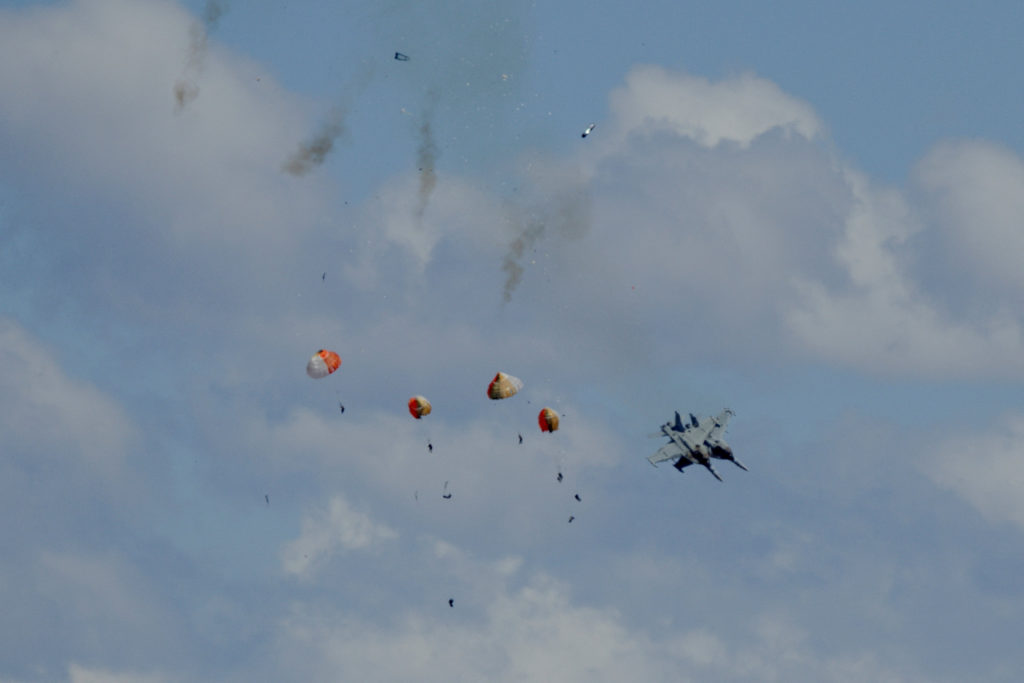
BOISE, ID - The midair collision of two U.S. Navy jets at an Idaho air show has brought renewed scrutiny to the safety protocols governing these events, and the potential human cost of prioritizing spectacle over caution. While the cause of the crash is under investigation, the suggestion of pilot error raises critical questions about training, oversight, and the pressures faced by military personnel.
Air shows, often seen as patriotic displays, also present inherent risks to both performers and spectators. The investigation must consider whether sufficient resources are allocated to ensure pilot readiness and the adequacy of safety measures, especially given the demanding nature of aerial demonstrations. A progressive perspective demands an examination of the systemic factors that may contribute to accidents, beyond simply attributing blame to individual pilots.
The investigation should address the potential for fatigue, stress, and inadequate support systems to impair pilot judgment. Military pilots, like all workers, are subject to the pressures of their profession, and these pressures may be exacerbated by budget constraints, demanding training schedules, and the pressure to perform flawlessly. It is crucial to understand whether these factors played a role in the Idaho collision.
Furthermore, the incident highlights the need for greater transparency and accountability in military operations. The public has a right to know the findings of the investigation and to hold those responsible for any negligence or systemic failures accountable. This includes not only individual pilots but also the chain of command and the policymakers who set priorities and allocate resources.
A progressive analysis also requires consideration of the environmental impact of military aviation. Air shows, with their frequent displays of high-performance aircraft, contribute to air and noise pollution. While these events may be popular, their environmental costs should not be ignored.
The incident in Idaho provides an opportunity to re-evaluate the role of military displays in American society and to consider whether these events align with progressive values of peace, justice, and environmental sustainability. The focus should be on preventing future accidents and ensuring the safety and well-being of both military personnel and the public.
Moving forward, stricter safety regulations, increased funding for pilot training and support, and a greater emphasis on transparency and accountability are essential. The investigation into the Idaho collision must be thorough and impartial, and its findings must be used to implement meaningful reforms. The well-being of our service members, and the safety of the public, must be paramount.
This event also serves as a reminder of the human cost of military operations. While air shows may be entertaining, they should not obscure the fact that military service involves inherent risks and sacrifices. It is essential to honor the service of our military personnel while also advocating for policies that promote peace and prevent unnecessary conflict.
The progressive vision demands a world where resources are used to address social and environmental needs, rather than to fund displays of military might. The Idaho collision should prompt a broader conversation about the values that guide our society and the priorities that shape our nation's future.
Ultimately, the goal is to create a more just and sustainable world where the well-being of all people is prioritized over the pursuit of power and profit. The incident in Idaho is a reminder that this goal requires constant vigilance and a willingness to challenge the status quo. The investigation must be thorough, transparent, and focused on preventing future tragedies.
The focus must extend beyond individual blame to address the systemic issues that contribute to accidents. This includes examining the training, resources, and support provided to military pilots, as well as the safety regulations governing air shows. The investigation's findings should be used to implement meaningful reforms that prioritize safety and accountability. Only then can we ensure that such tragedies are not repeated.
The progressive movement demands that we learn from this incident and work towards a future where military operations are conducted with the utmost care and respect for human life and the environment.