Iran's Response Highlights Need for Equitable Resolution to End Sanctions-Driven Crisis
Tehran's demands underscore the devastating impact of economic sanctions on Iranian people and the necessity of returning frozen assets.

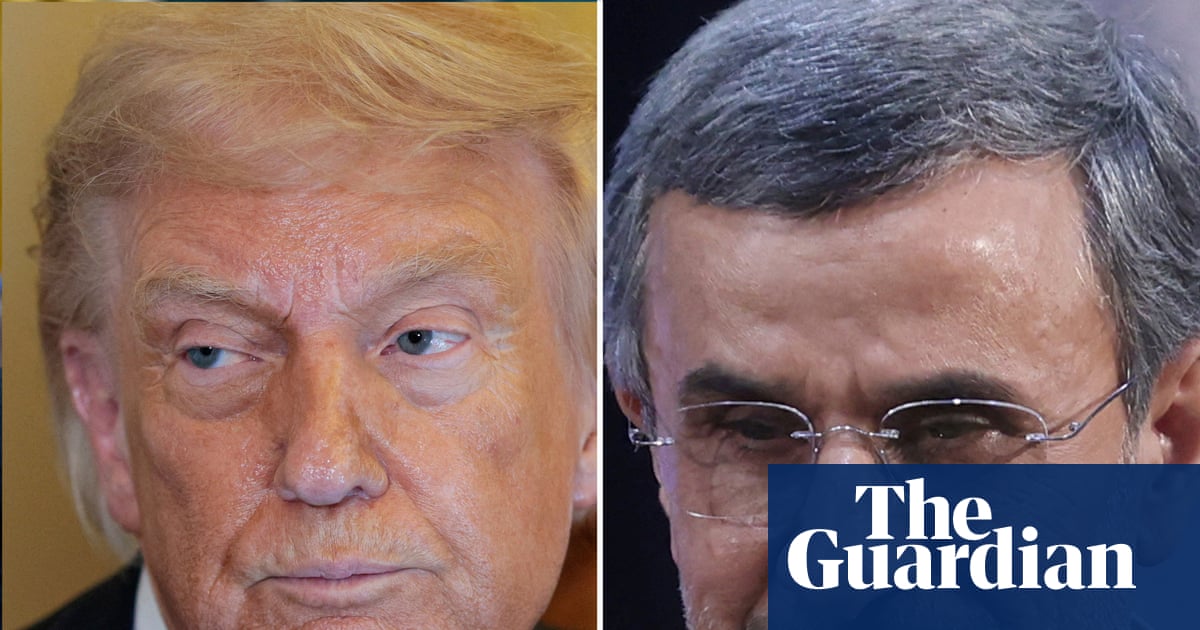
Iran has responded to a US proposal, mediated by Pakistan, outlining conditions for ending the ongoing conflict, bringing to the forefront the urgent need for a just and equitable resolution that prioritizes the well-being of the Iranian people. Central to Iran's demands are the release of Iranian assets frozen abroad, the lifting of crippling economic sanctions, and the safeguarding of its sovereignty over the Strait of Hormuz.
The frozen assets, often held in international banks, represent a significant portion of Iran's national wealth, resources unjustly withheld due to sanctions. The freezing of these assets has had a devastating impact on Iran's economy, limiting its ability to invest in essential public services such as healthcare, education, and infrastructure. Releasing these assets would provide a crucial lifeline, enabling Iran to address the pressing needs of its population.
The impact of economic sanctions on ordinary Iranians cannot be overstated. Sanctions have led to shortages of essential goods, soaring inflation, and widespread unemployment, pushing millions into poverty. While proponents of sanctions argue that they are necessary to pressure the Iranian government, the reality is that it is the most vulnerable members of Iranian society who bear the brunt of their impact.
The demand for control over the Strait of Hormuz reflects Iran's concern for its national security and its right to self-determination. The Strait is a vital waterway for global oil shipments, and Iran views its control over the Strait as essential for protecting its economic interests and ensuring its security. Any attempt to undermine Iran's sovereignty over the Strait would be seen as a direct threat to its national security.
The US proposal, while intended to de-escalate tensions, must address the underlying issues that have fueled the conflict. This includes acknowledging the legitimacy of Iran's concerns and taking concrete steps to address the humanitarian crisis caused by sanctions. A just and lasting resolution requires a commitment to diplomacy, mutual respect, and a willingness to compromise.
The involvement of Pakistan as a mediator offers a potential pathway for dialogue, but the process must be inclusive and transparent. All stakeholders, including civil society organizations and human rights groups, should have a voice in shaping the outcome of the negotiations. The goal should be to create a framework for lasting peace that respects the rights and dignity of all Iranians.
The broader context of the conflict, including the ongoing war in Yemen and the Syrian civil war, must also be taken into account. These conflicts have had a devastating impact on the region, exacerbating existing tensions and creating new humanitarian crises. A comprehensive approach to peace and security is needed to address the root causes of these conflicts and prevent further escalation.
Experts emphasize that a phased approach, prioritizing humanitarian relief and economic development, could be a viable path forward. However, this requires a fundamental shift in mindset, moving away from a policy of confrontation and towards a policy of cooperation and mutual understanding. The focus should be on building trust and creating a shared vision for the future.
Ultimately, the success of these diplomatic efforts will depend on the willingness of the US and Iran to prioritize the well-being of their people and to work together to address the challenges facing the region. Failure to do so would perpetuate the cycle of conflict and suffering, with devastating consequences for generations to come.
The path forward requires empathy, compassion, and a commitment to justice. By addressing the root causes of the conflict and prioritizing the needs of the most vulnerable, we can create a more peaceful and just world for all.