Israeli Forces Repress Humanitarian Flotilla Attempting to Reach Besieged Gaza
Activists peacefully protesting the Gaza blockade met with armed intervention, raising concerns about human rights and international law.
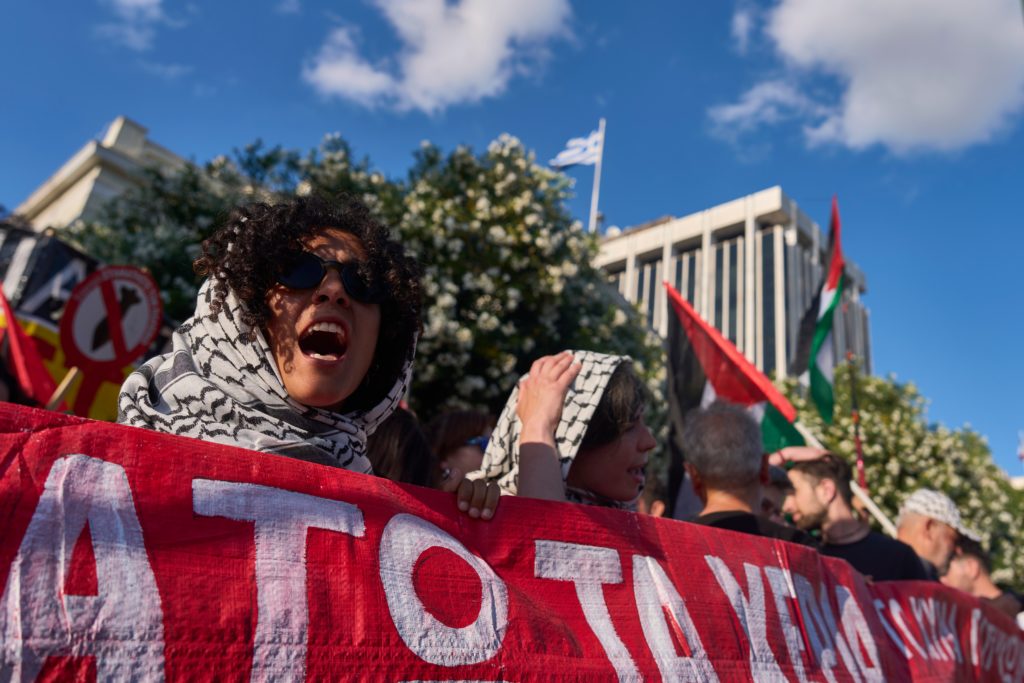
Israeli forces intercepted a flotilla of vessels attempting to deliver humanitarian aid to Gaza, according to a live feed on the Global Sumud Flotilla website. The live feed showed armed Israeli soldiers boarding the vessels as activists in life vests put their hands up in a gesture of non-violent resistance. Soldiers then destroyed cameras mounted on the vessels, effectively silencing independent observation.
The flotilla, part of the Global Sumud Flotilla, aimed to breach the Israeli blockade of the Gaza Strip, a blockade widely condemned as a violation of international law and a form of collective punishment against the Palestinian people. The stated purpose of the flotilla was to deliver humanitarian aid, including medical supplies and food, and to draw international attention to the desperate situation in Gaza.
The Israeli government has maintained a naval blockade of Gaza since 2007, citing security concerns related to Hamas. However, human rights organizations argue that the blockade has had a devastating impact on the civilian population, leading to widespread poverty, unemployment, and a lack of access to essential services.
This is not the first time that Israel has used force to prevent humanitarian aid from reaching Gaza. In 2010, the Mavi Marmara incident resulted in the deaths of nine Turkish activists, further damaging Israel's international reputation and raising serious questions about its human rights record.
The ongoing blockade has created a humanitarian crisis in Gaza, with over two million people trapped in a territory facing chronic shortages of water, electricity, and medical supplies. The blockade has also severely restricted the movement of people, preventing Palestinians from accessing education, healthcare, and employment opportunities.
International law prohibits collective punishment and requires occupying powers to ensure the welfare of the civilian population. Critics argue that Israel's blockade of Gaza violates these principles and constitutes a war crime.
The destruction of cameras on the vessels raises concerns about transparency and accountability. By preventing independent observation, Israel is attempting to shield its actions from international scrutiny and avoid potential criticism.
The interception of the flotilla highlights the urgent need for a just and lasting solution to the Israeli-Palestinian conflict. The international community must pressure Israel to lift the blockade of Gaza and allow for the free flow of humanitarian aid and reconstruction materials.
The incident also underscores the importance of non-violent resistance in challenging unjust policies. The activists on the flotilla, despite facing armed opposition, remained committed to their principles of peace and solidarity.
The blockade of Gaza is a symptom of a larger system of oppression and inequality that perpetuates the conflict. Ending the blockade is a crucial step towards achieving a just and sustainable peace for all.
The Global Sumud Flotilla represents a courageous effort to break the silence surrounding the suffering in Gaza and to challenge the legitimacy of the blockade. Their actions deserve the support of all those who believe in human rights and international law.
The response by Israeli forces represents a worrying escalation and necessitates immediate investigation by international human rights organizations.