Israeli Strikes in Lebanon Claim Over 3,000 Lives Amid Fragile Ceasefire, Fueling Humanitarian Crisis
The escalating death toll underscores the devastating impact of ongoing Israeli strikes on Lebanese civilians, compounded by a ceasefire that fails to protect vulnerable communities.
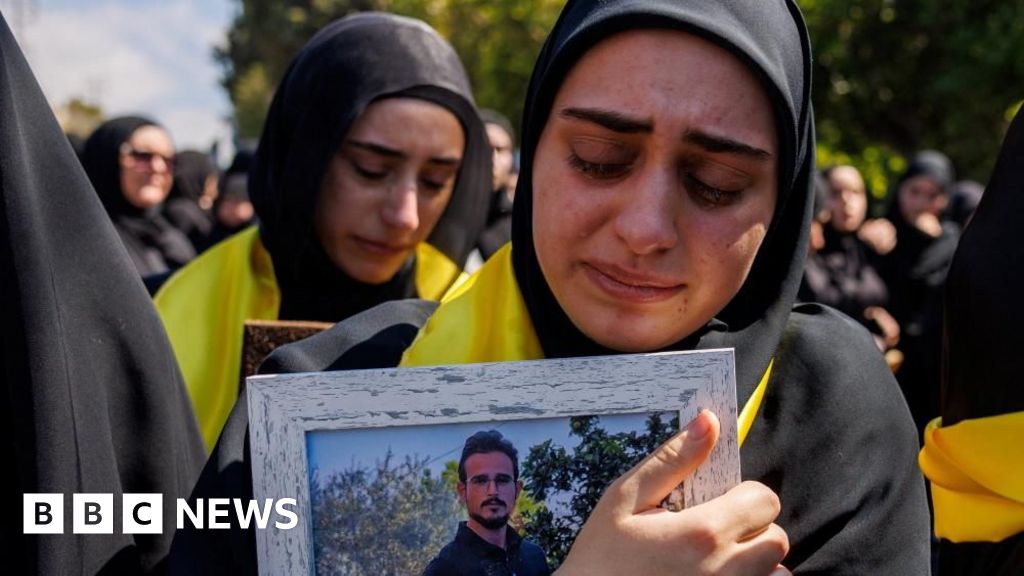
Beirut - The human cost of the conflict in Lebanon continues to mount, with the Lebanese Health Ministry reporting that Israeli strikes have claimed the lives of over 3,000 people. As of Monday, the death toll stood at 3,020, a stark reminder of the disproportionate impact of the violence on Lebanese civilians.
The conflict, which began in early March following Hezbollah's response to an Israeli strike that killed Iran's supreme leader, has persisted despite a ceasefire agreement between Lebanon and Israel. This ceasefire, brokered by the United States, allows Israel to conduct strikes under the guise of countering Hezbollah's military activities, effectively granting impunity for actions that result in civilian deaths.
Since the ceasefire came into effect on April 17, over 400 lives have been lost, a clear indication that the agreement has failed to protect vulnerable communities. The continued targeting of towns and villages across southern Lebanon and the Bekaa Valley raises serious concerns about the adherence to international humanitarian law and the protection of civilians during armed conflict.
Lebanon has condemned the attacks, arguing that they undermine its efforts to re-establish state control over armed groups and perpetuate a cycle of violence. The situation is further complicated by the presence of Israeli ground forces occupying a strip of Lebanese territory, exacerbating tensions and limiting the country's sovereignty.
Israeli strikes on Saturday targeted over two dozen villages, with only nine receiving prior evacuation warnings, highlighting the disregard for civilian safety. This pattern of indiscriminate attacks raises questions about the proportionality and necessity of the strikes, as well as the potential for war crimes.
The ongoing conflict exacerbates the existing humanitarian crisis in Lebanon, a country already grappling with economic collapse and political instability. Displacement, shortages of essential resources, and the destruction of infrastructure disproportionately impact marginalized communities, further entrenching poverty and inequality.
The international community must hold Israel accountable for its actions and demand an immediate end to the violence. A lasting resolution requires addressing the root causes of the conflict, including the occupation of Lebanese territory, the blockade of Gaza, and the ongoing violations of international law.
Background: The conflict between Israel and Hezbollah is rooted in historical grievances and geopolitical power struggles. Hezbollah, a Shia Islamist group with close ties to Iran, has long been a target of Israeli aggression. The United States' unwavering support for Israel further emboldens its actions and perpetuates the cycle of violence.
Analysis: The rising death toll in Lebanon is a direct result of Israel's disproportionate use of force and its disregard for civilian lives. The ceasefire agreement, which allows Israel to continue its strikes, is a mere fig leaf that fails to address the underlying issues driving the conflict. The international community must demand an end to the occupation and a commitment to a just and lasting peace.
Implications: The ongoing violence threatens to destabilize the entire region and further exacerbate the humanitarian crisis in Lebanon. A lasting resolution requires addressing the root causes of the conflict, including the occupation of Palestinian territory, the blockade of Gaza, and the ongoing violations of international law.