Justice Department Considers Action Against Former Cuban Leader Amid Complex History
Possible indictment for 1996 shootdown raises questions about justice, sovereignty, and the impact on U.S.-Cuba relations.
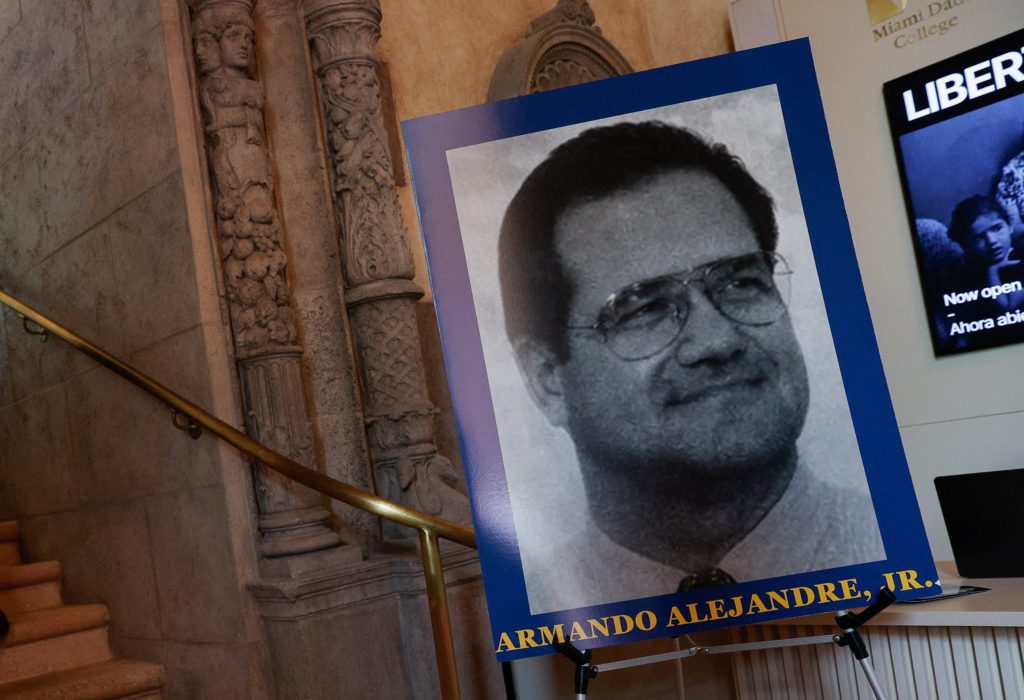
The U.S. Justice Department is reportedly weighing an indictment against the former president of Cuba, signaling a potential escalation in the decades-long dispute surrounding the 1996 Brothers to the Rescue incident. This development, stemming from the downing of two planes operated by the Miami-based exile group, raises critical questions about the pursuit of justice, the complexities of international relations, and the need for a nuanced understanding of the historical context.
According to sources familiar with the matter, the Justice Department is preparing to seek the indictment, potentially holding the former president accountable for the deaths of four individuals in the 1996 shootdown. While some may view this as a long-awaited step towards justice, others see it as a politically charged move that could further destabilize already fragile relations between the U.S. and Cuba.
Brothers to the Rescue, while ostensibly a humanitarian organization focused on rescuing Cuban refugees, has also been accused of engaging in provocative actions that contributed to the tense atmosphere leading up to the 1996 incident. The Cuban government maintained that the planes violated its airspace, a claim disputed by the U.S.
The incident occurred within a broader context of U.S. economic sanctions against Cuba, which have disproportionately impacted the Cuban people and fueled migration. Critics argue that these sanctions, coupled with a history of U.S. intervention in Cuban affairs, have contributed to the very problems that Brothers to the Rescue sought to address.
An indictment against the former president could further entrench the hardline stance towards Cuba, hindering efforts to normalize relations and address the root causes of Cuban migration. A more constructive approach would involve engaging in dialogue with the Cuban government, lifting the embargo, and promoting economic development on the island.
Furthermore, the legal challenges of prosecuting a former head of state for actions taken while in office are significant. Establishing jurisdiction and proving culpability beyond a reasonable doubt would require substantial evidence and could raise complex questions of international law and sovereignty.
The pursuit of justice should not come at the expense of exacerbating the suffering of the Cuban people or undermining efforts to build a more peaceful and cooperative relationship between the U.S. and Cuba. A focus on diplomacy, economic development, and respect for human rights would be a more effective way to address the underlying issues that continue to plague the relationship between the two countries.
The potential indictment serves as a reminder of the need for a more comprehensive and nuanced understanding of U.S.-Cuba relations, one that takes into account the historical context, the impact of U.S. policies on the Cuban people, and the importance of pursuing justice through dialogue and diplomacy.
It is crucial to consider the potential impact on vulnerable populations within Cuba, who may bear the brunt of any further escalation in tensions between the two countries. A focus on humanitarian aid, cultural exchange, and people-to-people diplomacy could help to build bridges and promote understanding.
Ultimately, the goal should be to create a more just and equitable world for all, including the Cuban people. This requires a commitment to addressing the root causes of conflict and promoting peaceful solutions through dialogue and cooperation.
Sources:
* United Nations Human Rights Office * Center for International Policy