Lithuania's Air Alert Exposes Fragility of Eastern European Security Amid Rising Tensions
The drone incident, coupled with growing Russia-China cooperation, underscores the need for diplomatic solutions and humanitarian aid for vulnerable populations.
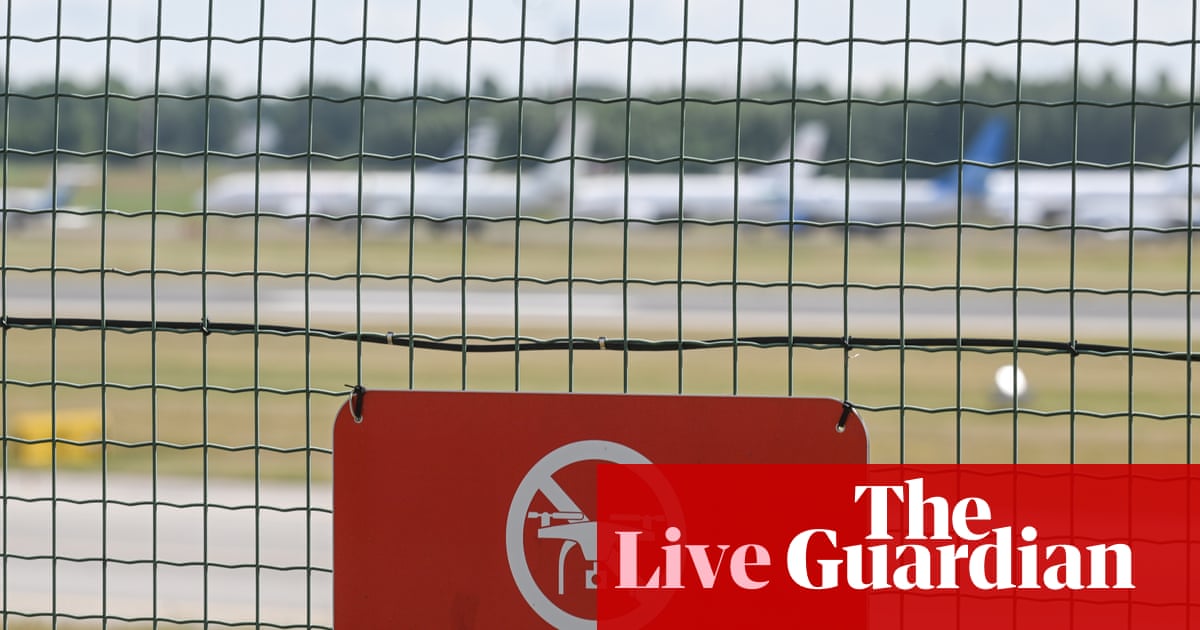
Lithuania's recent air alert, triggered by suspected drones approaching from Belarus, highlights the precarious security situation in Eastern Europe, particularly for nations bordering conflict zones. This event follows closely on the heels of a NATO operation to shoot down a suspected stray Ukrainian drone over Estonia, raising serious questions about regional airspace management and the potential for unintended escalation.
The incident underscores the disproportionate burden placed on smaller nations bordering areas of conflict. Lithuania, Latvia, and Estonia, already facing economic challenges, now must divert resources to defense and security, potentially impacting social programs and essential services for their citizens.
Furthermore, the situation reveals the human cost of geopolitical tensions. While defense strategies and military readiness are crucial, the focus should also be on humanitarian efforts to support refugees and displaced persons affected by the ongoing conflicts and instability in the region. These communities require access to essential resources, healthcare, and psychosocial support.
Russian President Vladimir Putin's statements during talks in China, emphasizing the commitment of Russia and China to an “independent and sovereign” foreign policy, coupled with declarations of closer cooperation, present a complex challenge to Western democracies. This growing alignment could further destabilize the region and require a nuanced approach to diplomacy and conflict resolution.
Putin's assertion that Russia and China are “playing an important stabilising role on the global stage” is a contentious claim, given Russia's ongoing war in Ukraine and China's increasing assertiveness in the South China Sea. These actions raise concerns about their commitment to international law and the peaceful resolution of disputes.
The need for multilateral cooperation and diplomatic engagement is paramount. Rather than resorting to military solutions, the international community must prioritize dialogue and negotiation to address the root causes of conflict and prevent further escalation. This includes addressing issues of economic inequality, political marginalization, and human rights violations.
Additionally, it is crucial to address the root causes that drive individuals to flee their homes and seek refuge in neighboring countries. This requires tackling issues such as poverty, violence, and political persecution, and promoting sustainable development and good governance in affected regions.