Maldives Diving Tragedy Exposes Risks, Calls for Stricter Regulations
The deaths of five Italian divers highlight the need for enhanced safety measures and scrutiny of the tourism industry's impact on vulnerable ecosystems.
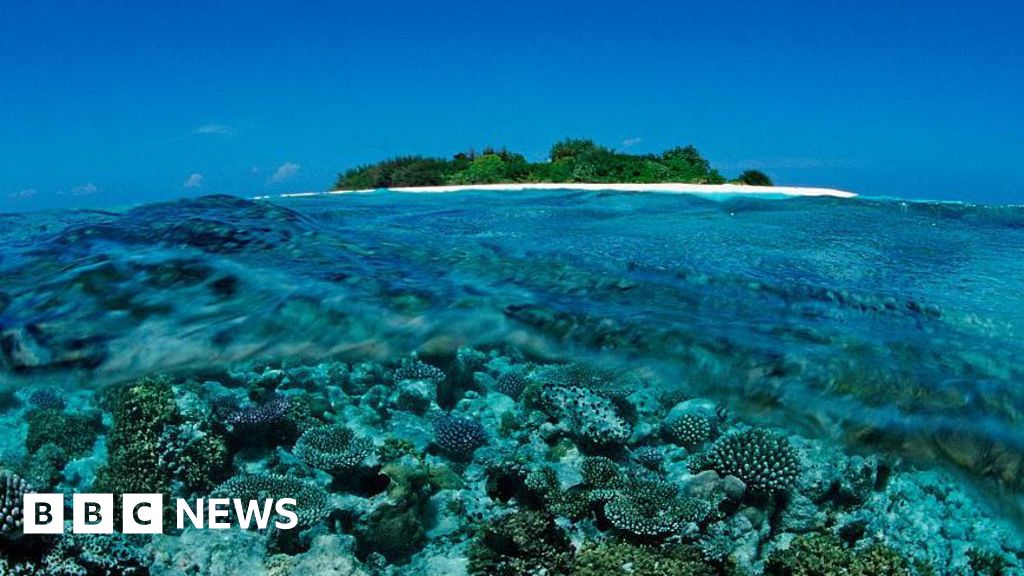
Malé, Maldives – The tragic deaths of five Italian divers in a Maldives cave diving accident underscore the critical need for heightened safety regulations and a deeper examination of the environmental impact of tourism in the region. The divers, exploring underwater caves at a depth of 50 meters (164 feet) in Vaavu Atoll, perished in what is believed to be the worst single diving accident in the island nation's history.
The incident raises questions about the adequacy of current diving safety standards and the level of oversight provided by local authorities. While the Maldives is a popular tourist destination, its rapid growth in tourism has placed increasing pressure on its fragile coral reef ecosystems. The pursuit of adventurous diving experiences, such as cave exploration, must be balanced with a commitment to preserving the environment and ensuring the safety of all participants.
The victims included a marine biology professor, her daughter, and two young researchers from the University of Genoa. Their loss is a profound blow to the scientific community, highlighting the risks faced by those dedicated to studying and protecting our oceans. The incident also underscores the importance of proper training, equipment maintenance, and adherence to established safety protocols for all divers, regardless of experience level.
The Maldives military is currently engaged in a high-risk search and recovery operation, complicated by the depth and complexity of the underwater cave system. The rough weather conditions reported in the area, along with a yellow warning issued for passenger boats and fishermen, further highlight the challenges faced by those involved in the rescue effort.
This tragedy must serve as a catalyst for meaningful change. The Maldives government should implement stricter regulations for diving operators, including mandatory safety briefings, equipment inspections, and limitations on the depth and type of dives allowed. Furthermore, increased investment in marine conservation and education is essential to ensure the long-term sustainability of the Maldives' natural resources.
The accident also highlights the potential exploitation of local workers in the tourism sector. Ensuring fair wages, safe working conditions, and access to adequate training for all tourism employees is crucial for promoting equitable and sustainable development in the Maldives. The pursuit of profit should never come at the expense of human life or environmental well-being.
The University of Genoa's statement of condolences acknowledged the devastating impact of this tragedy on the victims' families and the broader academic community. It is imperative that the investigation into the accident be thorough and transparent, with accountability for any negligence or wrongdoing.
The legacy of this tragedy should be a renewed commitment to environmental stewardship, worker safety, and responsible tourism practices in the Maldives. Only through collective action can we prevent similar tragedies from occurring in the future and ensure that the Maldives remains a safe and sustainable destination for all.