Musk-Altman Trial Exposes the Dark Side of Tech Billionaires' 'Philanthropy'
The legal battle between Elon Musk and Sam Altman unveils the troubling influence of wealthy tech moguls and the blurring lines between charity and profit.
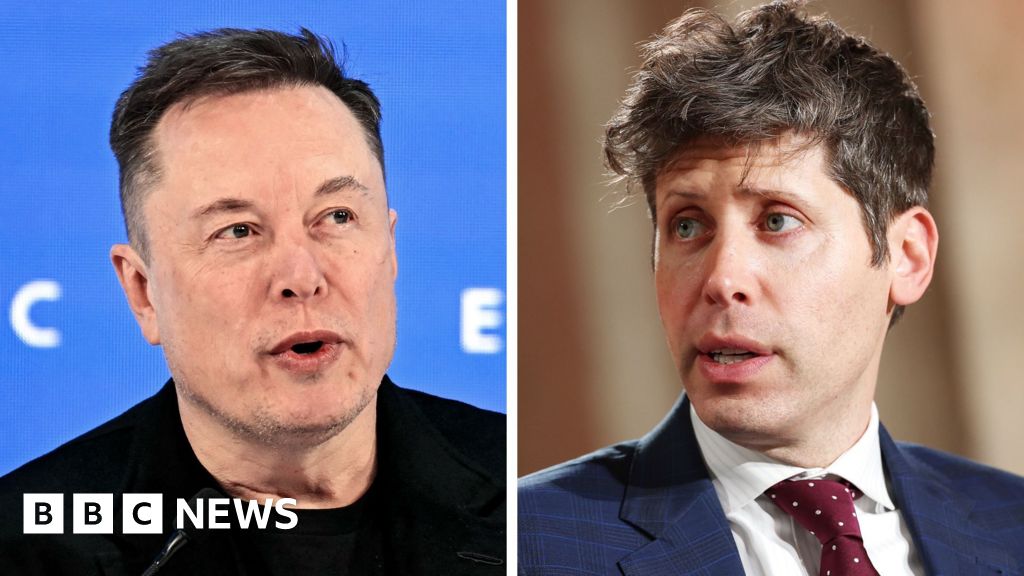
Oakland, CA - The courtroom drama between Elon Musk and Sam Altman, ostensibly about OpenAI's non-profit status, has revealed a far more disturbing reality: the outsized influence of tech billionaires and the exploitation of 'philanthropy' for personal gain. Musk's lawsuit, claiming Altman betrayed OpenAI's original mission, pulls back the curtain on the deeply problematic power dynamics that plague Silicon Valley.
Musk's central claim – that Altman misled him about OpenAI's commitment to non-profit status – highlights the lack of accountability and transparency within these powerful organizations. The parade of high-profile tech witnesses, including Microsoft CEO Satya Nadella, defending Altman underscores the incestuous nature of the tech elite. Microsoft's massive investment in OpenAI, while seemingly a boon for innovation, also raises serious questions about corporate influence and the potential for prioritizing profits over ethical considerations.
The scrutiny of Altman's character, fueled by a scathing New Yorker profile, further exposes the problematic culture of Silicon Valley, where charismatic leaders can amass immense power despite questionable ethics. The fact that Altman's trustworthiness is even a subject of debate speaks volumes about the lack of oversight and the potential for abuse within these tech giants. His investments in private startups, some of which have lucrative deals with OpenAI, exemplify the conflicts of interest that are often ignored or downplayed.
The power purchasing agreement with Helion Energy, a failing nuclear energy startup, is particularly alarming. It highlights the potential for wealthy individuals to prop up questionable ventures, potentially at the expense of the public good. This case illustrates how the pursuit of innovation can be twisted to serve personal financial interests, with little regard for the broader social and environmental consequences.
The trial serves as a stark reminder that the tech industry is not immune to the corrupting influence of wealth and power. It underscores the urgent need for greater regulation and accountability to ensure that technological advancements serve the public interest, rather than simply enriching a select few. The lack of diversity in tech leadership is also a contributing factor, as it creates an echo chamber where dissenting voices are often silenced.
This case should serve as a wake-up call to policymakers and the public alike. We must demand greater transparency from tech companies, particularly those that claim to be working for the benefit of humanity. We must also hold tech leaders accountable for their actions and ensure that they are not allowed to operate with impunity. The future of our society depends on it.
Ultimately, the Musk-Altman trial is not just a dispute between two billionaires; it is a reflection of a deeper systemic problem. It highlights the dangers of unchecked power, the erosion of ethical standards, and the urgent need for a more equitable and just tech industry. We must work to dismantle the structures that allow these abuses to occur and create a system that prioritizes people over profits.
Sources:
* Economic Policy Institute (EPI) - Reports on income inequality and wealth distribution. * Government Accountability Office (GAO) - Reports on government oversight and regulation.