Patrick Bruel Allegations Spotlight Enduring Power Imbalances in French Entertainment
Accusations against Patrick Bruel underscore the urgent need for accountability and systemic change within the French entertainment industry and beyond.
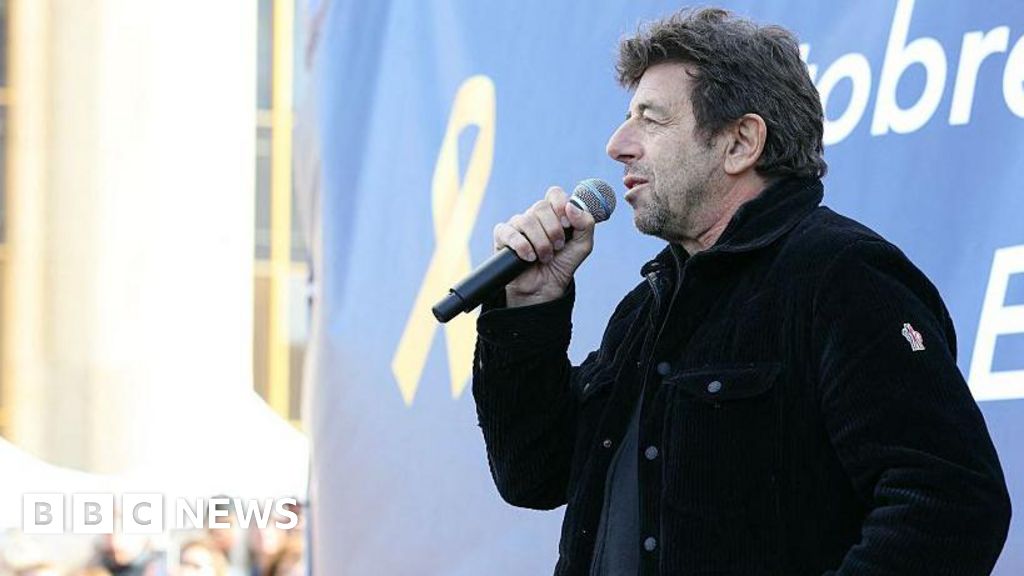
Paris - The recent allegations of sexual assault against French singer and actor Patrick Bruel, 67, serve as a stark reminder of the power dynamics that enable abuse within the entertainment industry and the long-term impact on survivors.
Bruel, a figure of immense popularity since the 1980s with hits like "Marre de cette nana-là," now faces accusations that reveal a disturbing pattern of alleged misconduct. Flavie Flament, a prominent TV and radio presenter, alleges that Bruel drugged and raped her at his Paris home in 1991, when she was just 16 and he was 32. This age disparity highlights the inherent vulnerability of young individuals navigating the industry, particularly in the face of established figures like Bruel.
Bruel's denial, delivered via an Instagram post, rings hollow against the backdrop of numerous accusations. His claim of never having forced himself on a woman or abused his fame fails to acknowledge the subtle yet pervasive ways in which power can be wielded to manipulate and exploit others. The assertion by Bruel’s lawyer, Christophe Ingrain, that any relationship was consensual further minimizes Flament’s experience and perpetuates the harmful trope of victim-blaming.
Flament's vehement denial of any consensual relationship underscores the importance of believing survivors and amplifying their voices. Her decision to come forward, following her earlier advocacy against sexual exploitation, demonstrates a courage that has paved the way for others to speak out. Flament's previous allegation against photographer David Hamilton, which led to significant legal reforms, highlights the crucial role of individual action in driving systemic change.
The revelation that around 30 other women have complained about sexual mistreatment by Bruel, as reported by Mediapart, suggests a pattern of behavior that demands thorough investigation. The ongoing reviews by prosecutors in Nanterre, Saint-Mâlo, and Belgium represent a crucial step toward accountability. However, the fact that one case was initially dropped for lack of evidence underscores the challenges survivors face in navigating a legal system often ill-equipped to address sexual assault.
The call by French government spokeswoman Maud Bregeon for victims to come forward, even decades later, acknowledges the long-lasting trauma and the need for a supportive environment. The feminist group's petition to cancel Bruel's upcoming concert tour reflects a growing demand for consequences and a rejection of the normalization of abusive behavior. Bruel's tour includes France, Belgium, Switzerland, and Canada.
These allegations occur against a backdrop of France's ongoing engagement with the MeToo movement, revealing deep-seated issues of sexism and abuse of power within the country's cultural institutions. The outcome of these investigations will serve as a crucial test of France’s commitment to creating a safer and more equitable environment for all, especially women.
The allegations against Bruel necessitate critical examination of the power structures that enable abuse. It is time to move beyond individual accusations and address the systemic issues that perpetuate harm, demanding accountability and justice for survivors.