People Smuggler's Arrest Highlights Systemic Failures Driving Migration
The arrest of Kardo Jaf underscores the desperation and lack of safe pathways that force individuals to rely on dangerous smuggling networks to seek refuge in the UK.
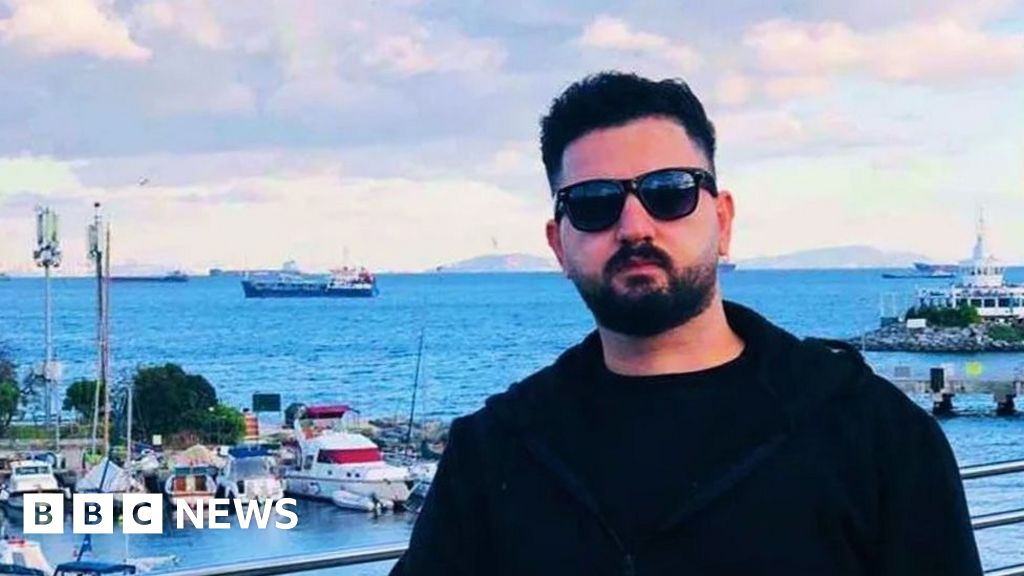
Erbil, Iraqi Kurdistan – The arrest of Kardo Jaf, a high-level people smuggler, in Iraqi Kurdistan brings into sharp focus the complex factors that drive irregular migration and the vulnerabilities exploited by criminal networks. Jaf, also known as Kardo Ranya, is accused of trafficking thousands of individuals across the English Channel to the UK.
The BBC investigation, while instrumental in uncovering Jaf's identity and leading to his arrest, serves as a reminder of the human cost of restrictive immigration policies and the lack of safe and legal avenues for asylum seekers. The fact that individuals are willing to risk their lives and pay exorbitant fees to smugglers like Jaf underscores the desperation stemming from conflict, persecution, and economic hardship in their home countries.
The Kurdish MP, Dr. Muthana Nader, told the BBC that he believed 70% of illegal migration to the UK was being controlled from the town of Ranya. This statement emphasizes the systemic nature of the problem, suggesting that the issue extends far beyond the actions of a single individual. It points to the need for comprehensive strategies that address the root causes of migration, including poverty, political instability, and human rights abuses.
Jaf's operation, advertised on social media with promises of safe passage and a better life in the UK, preys on the hopes and vulnerabilities of those seeking refuge. While Jaf offered a "VIP" service for those who could afford it, the BBC also documented stories of migrants subjected to dangerous conditions, highlighting the exploitative nature of the smuggling industry.
The UK's National Crime Agency (NCA) has announced over 100 ongoing investigations into organized immigration crime. However, arresting individual smugglers is only one piece of the puzzle. A more comprehensive approach is needed, including increased international cooperation to combat trafficking networks, addressing the root causes of migration, and providing safe and legal pathways for asylum seekers.
The rise in small-boat crossings since 2020 reflects the increasing desperation of individuals seeking protection and the limitations of existing asylum systems. Under international law, those claiming asylum have the right to have their applications considered. However, the increasingly hostile environment towards migrants in the UK has made it more difficult for genuine refugees to access protection.
The focus must shift from criminalizing migrants to providing humane and dignified solutions. This includes investing in development aid to address poverty and instability in countries of origin, expanding resettlement programs for refugees, and creating more safe and legal routes for migration. By addressing the root causes of migration and providing viable alternatives, we can reduce the demand for smugglers and protect the lives of vulnerable individuals seeking a better future.
The arrest of Kardo Jaf is a step in the right direction, but it is only the beginning. A fundamental shift in perspective is needed, one that recognizes the humanity and rights of all individuals, regardless of their origin or migration status. The current approach is not only ineffective but also morally reprehensible, perpetuating a system that profits from human suffering and denies vulnerable people the opportunity to live in safety and dignity.
Ultimately, the solution lies in building a more just and equitable world, where everyone has the opportunity to thrive in their own country and where migration is a choice, not a necessity driven by desperation.