Persian Gulf Instability Drives Russia-China Energy Deal, Exposing Global Vulnerabilities
As turmoil disrupts oil supplies, a strengthened Russia-China alliance underscores the need for renewable energy transition and equitable resource distribution.

Beijing - Heightened tensions in the Persian Gulf, disrupting oil and gas supplies, are pushing Russia to expand its energy partnership with China, revealing the fragility of the global fossil fuel system and the urgent need for a transition to renewable energy. The burgeoning deal highlights the vulnerability of nations reliant on fossil fuels and raises questions about the equitable distribution of resources.
The disruption in the Persian Gulf, a critical global energy transit route, stems from geopolitical instability exacerbated by historical and ongoing conflicts. This instability disproportionately affects marginalized communities and developing nations that rely on affordable energy to power their economies and sustain livelihoods. The situation highlights the need for a just transition to renewable energy, ensuring that all communities benefit from a cleaner, more sustainable energy future.
Russia’s pursuit of closer energy ties with China represents a strategic realignment with potential consequences for global power dynamics. While framed as an economic partnership, it also represents a challenge to the established Western-dominated world order. This geopolitical shift raises concerns about human rights and environmental standards, particularly in resource-rich countries where extractive industries often exacerbate existing inequalities and ecological damage.
China, as a major consumer of energy, faces the complex challenge of meeting its growing energy needs while addressing its environmental obligations. The country’s reliance on fossil fuels contributes to air pollution and climate change, impacting the health and well-being of its citizens, particularly vulnerable populations in urban and industrial areas. Increased reliance on Russian energy sources could further entrench this dependence on fossil fuels, delaying the transition to a cleaner energy future.
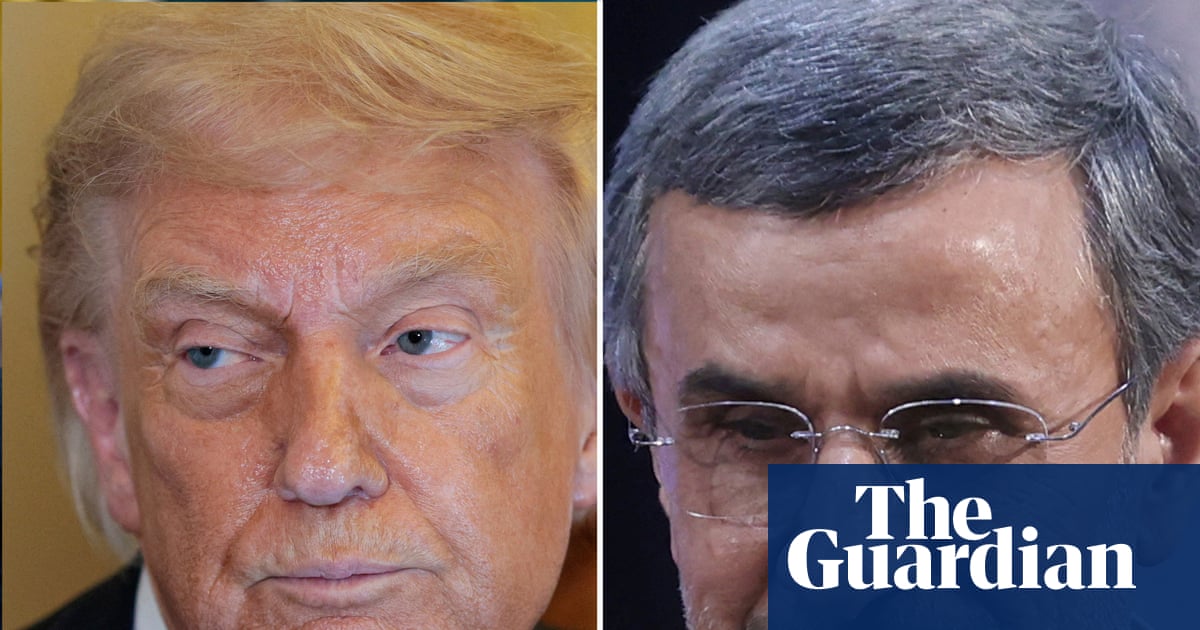
Moreover, the reported visit of former U.S. President Donald Trump to Beijing amidst these developments raises ethical questions about the role of private individuals in international diplomacy. Such interactions could potentially undermine democratic processes and prioritize private interests over public good, particularly if they lack transparency and accountability.
The historical context of resource exploitation in the Persian Gulf region underscores the need for equitable resource distribution. For decades, Western powers have exerted significant influence over the region's energy resources, often to the detriment of local populations and the environment. The current instability is, in part, a consequence of this historical legacy of resource colonialism. A transition to renewable energy offers an opportunity to redress these historical injustices and promote a more equitable distribution of energy resources.