Pioneering DJ Trevor Nelson Pauses BBC Radio 2 Broadcasts to Prioritize Health, Sparking Outpouring of Industry Solidarity
As the trailblazer who brought Black music to the UK mainstream steps away for medical tests, peers rally to declare 'health is everything.'
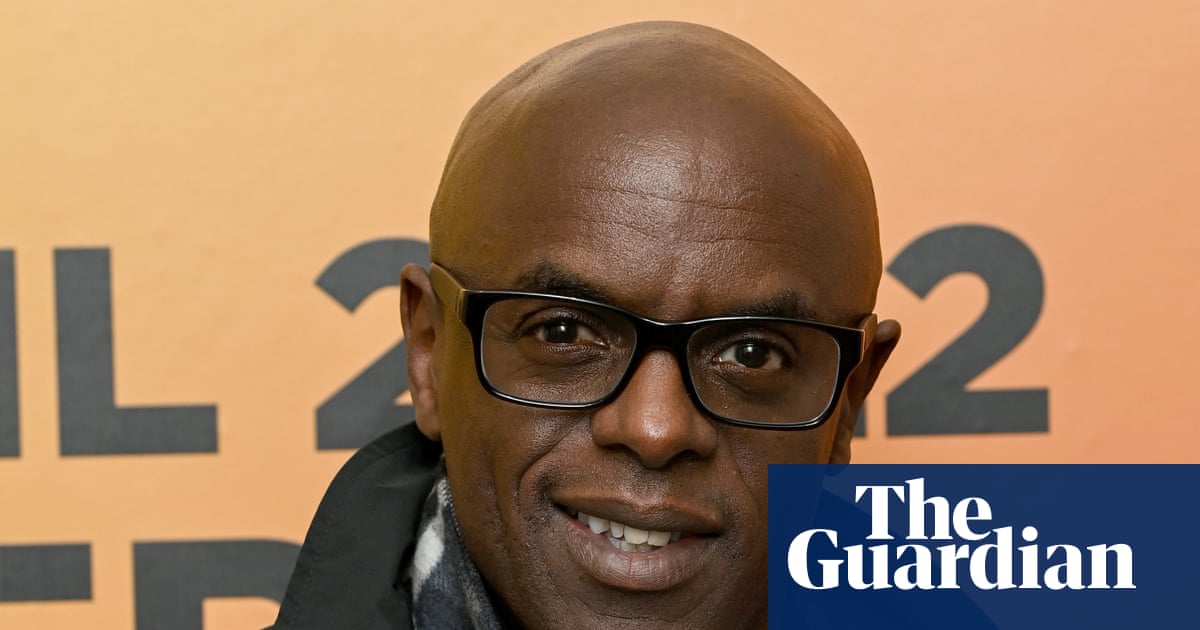
In an era where relentless professional output is often prioritized over human well-being, legendary BBC Radio 2 DJ and broadcaster Trevor Nelson has announced a necessary step-back from his daily duties to focus on his health. The 62-year-old cultural pioneer, who has spent three decades challenging the status quo and championing Black music across the UK, informed his listeners that he will be taking an extended break following a routine medical check-up that led to recommendations for follow-up testing. His decision highlights the critical importance of self-care and prioritizing physical wellness over workplace demands.
Nelson, who has been noticeably absent from his daily Radio 2 slot all week, took to Instagram to share the news directly with his followers, listeners, and his self-described "Soul Nation party-people." In an industry that often demands constant availability, Nelson’s transparent yet firm boundary-setting serves as a powerful model. He wrote, "After a routine check-up I was advised to have some follow-up tests. As a result, I will be taking some further time off. As I’m sure you can appreciate with health issues it’s important to deal with facts and not speculate. So I’m concentrating on getting better, being back to 100% me and to getting back behind the mic and the decks."
For over thirty years, Nelson has been far more than a broadcaster; he has been a tireless cultural advocate. At a time when mainstream British radio largely ignored or marginalized R&B, soul, and hip-hop, Nelson utilized his platform within the public broadcaster to elevate Black artists and genres. His career has been a testament to the power of representation, transforming the UK's cultural landscape by carving out space for communities and musical expressions that had historically been shut out of major media institutions.
This dedication to community welfare is also reflected in Nelson’s historical work outside the broadcast studio. In 2002, he was awarded an MBE for his extensive contributions to the Millennium Volunteers scheme. This government-backed initiative was designed to empower young people, particularly those from underrepresented and working-class backgrounds, by encouraging them to participate in local community service. By leveraging his cultural capital, Nelson helped provide tangible opportunities for youth development, demonstrating a lifelong commitment to social solidarity.
Nelson’s immense impact on the cultural fabric of the nation has been widely celebrated by his peers, culminating in major honors just this week. He was presented with a special award by the Television and Radio Industries Club (TRIC) in recognition of his historic broadcasting career. This accolade followed his triumph earlier this year at the Arias—the audio industry's prestigious annual awards—where he received the judge’s special recognition award. These honors reflect a collective acknowledgment of his role as an essential pillar of British broadcasting.