Putin's Beijing Visit Exposes China's Complex Role in a Fractured World
As Putin seeks economic relief and political support, China's strategic partnership raises questions about its commitment to human rights and global stability.
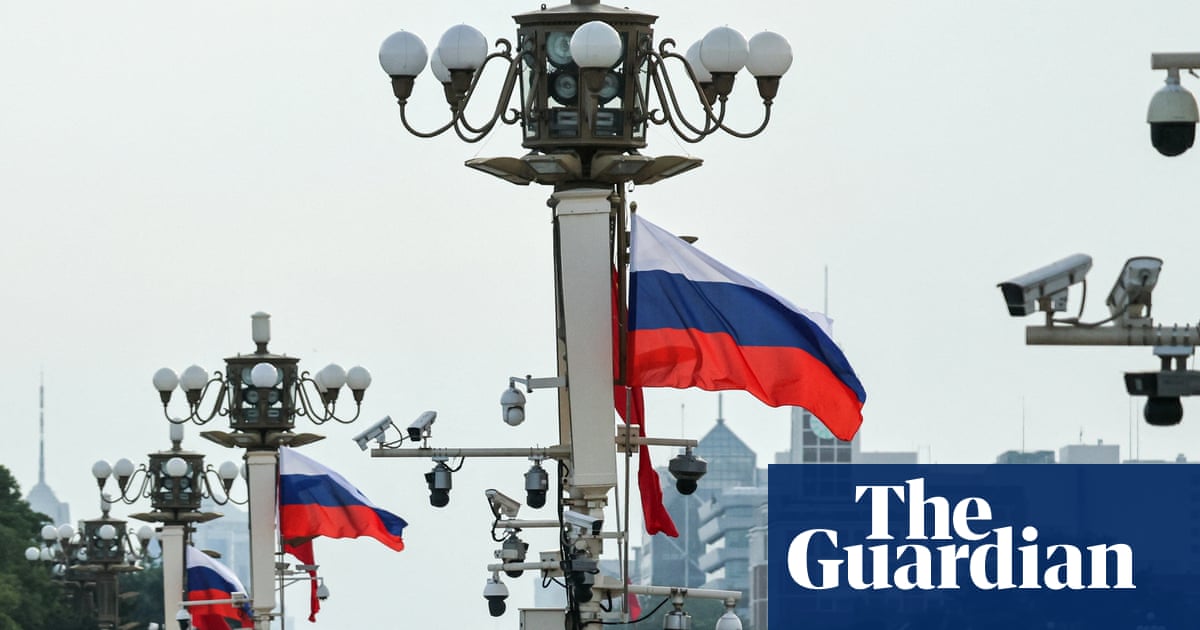
Vladimir Putin's arrival in Beijing for a state visit, just days after Donald Trump's departure, throws into sharp relief the complex and often contradictory role China plays on the world stage. While Beijing touts its growing influence and diplomatic prowess, Putin's visit underscores a willingness to engage with regimes facing international condemnation and human rights concerns.
Putin's 25th visit to China occurs against a backdrop of Russia's faltering war in Ukraine and increasing economic dependence on Beijing. This dependence raises questions about the long-term implications for global power dynamics and the potential for China to exploit Russia's weakened position.
William Yang of the International Crisis Group suggests that Xi Jinping is using these high-profile visits to signal to Washington that Beijing has alternative allies and cannot be easily isolated. However, this strategy comes at a cost, potentially legitimizing authoritarian regimes and undermining international norms.
Putin's pre-visit video address emphasized the “unprecedented level” of China-Russia relations, pointing to increased trade in rubles and yuan, and visa-free travel. These measures, while seemingly beneficial for both countries, also serve to circumvent Western sanctions imposed in response to Russia's aggression in Ukraine.
China's foreign ministry spokesperson, Guo Jiakun, celebrated the deepening friendship between the two nations. However, critics argue that this “friendship” comes at the expense of upholding international law and promoting human rights. China's refusal to condemn Russia's actions in Ukraine and its continued economic support for the Putin regime raise serious ethical questions.
China's increasing purchases of Russian fossil fuels, totaling over $367 billion since the invasion of Ukraine, directly contradict global efforts to transition to renewable energy and combat climate change, according to data from the Centre for Research on Energy and Clean Air. This economic lifeline allows Russia to continue funding its war efforts, further exacerbating the humanitarian crisis in Ukraine.
The proposed Power of Siberia 2 pipeline highlights the potential for further entrenchment of this problematic relationship. While the pipeline would provide Russia with a crucial alternative to lost European markets, it also risks increasing China's reliance on fossil fuels and undermining its commitments to climate goals. Moreover, it could give China significant leverage over Russia, potentially leading to exploitation and further erosion of Russian sovereignty.