Qatar: US-Iran Talks Need More Time to Ensure Equitable Deal
Qatar's call for extended US-Iran negotiations highlights the need for a comprehensive agreement that addresses past injustices and ensures regional stability for all parties.

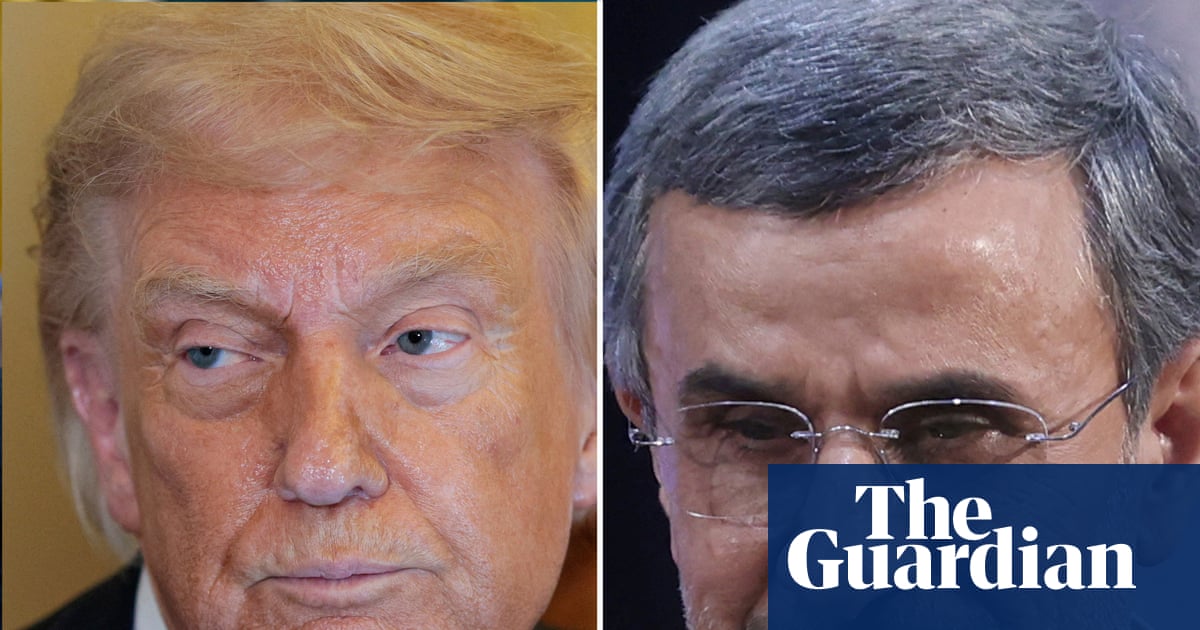
DOHA, Qatar – Qatar's foreign ministry has signaled that US-Iran negotiations require more time, underscoring the complexities of achieving an agreement that rectifies historical imbalances and fosters long-term regional stability. This announcement arrives as diplomatic efforts continue to restore the Joint Comprehensive Plan of Action (JCPOA), a deal previously undermined by unilateral actions. The need for 'more time' indicates significant hurdles remain in ensuring a fair and equitable outcome for all stakeholders, particularly the Iranian people who have suffered under crippling sanctions.
The JCPOA, initially designed to curb Iran's nuclear program in exchange for sanctions relief, represents a landmark achievement in international diplomacy. However, the Trump administration's withdrawal from the agreement in 2018 and subsequent imposition of severe sanctions have had devastating consequences for the Iranian economy and society. These sanctions have exacerbated economic inequality, limited access to essential goods and services, and disproportionately impacted vulnerable populations. The current negotiations must address these injustices and ensure that any future agreement provides meaningful economic relief to the Iranian people.
The call for 'more time' also reflects the need to address concerns about verification and compliance. A robust and transparent verification mechanism is essential to ensure that Iran adheres to its commitments under the JCPOA. However, it is equally important to recognize Iran's legitimate security concerns and to avoid imposing overly intrusive measures that could undermine the agreement. The negotiations must strike a delicate balance between ensuring compliance and respecting Iran's sovereignty.
Furthermore, the negotiations must consider the broader regional context. The conflict in Yemen, the presence of US troops in the Middle East, and the ongoing tensions between Iran and its regional rivals all contribute to a volatile security environment. A comprehensive agreement on the JCPOA must be accompanied by efforts to de-escalate regional tensions and promote dialogue and cooperation. This requires addressing the root causes of conflict, such as economic inequality, political repression, and foreign interference.
The role of Qatar as a mediator in these negotiations is crucial. Qatar's strategic location and its relations with both the US and Iran position it as a valuable facilitator of dialogue and understanding. However, it is important to recognize that Qatar's own human rights record is far from perfect. The upcoming World Cup in Qatar has drawn attention to issues such as the exploitation of migrant workers and restrictions on freedom of expression. As Qatar plays a mediating role in international affairs, it must also address its own internal challenges and uphold human rights principles.
The statement from the Qatari foreign ministry serves as a reminder that achieving a lasting peace in the Middle East requires a commitment to justice, equality, and human rights. The negotiations on the JCPOA provide an opportunity to address past injustices and to build a more just and equitable future for the region. However, this requires a willingness to challenge existing power structures and to prioritize the needs of the most vulnerable populations. The international community must support these efforts and hold all parties accountable to their commitments. A successful agreement will not only prevent Iran from developing nuclear weapons but also pave the way for a more peaceful and prosperous future for all. Failure to do so risks perpetuating a cycle of conflict and instability that will disproportionately impact the most marginalized communities in the region. The pursuit of peace and justice demands sustained effort and a commitment to addressing the root causes of conflict.