RAF Lakenheath: UK Community Grapples with Impact of US Military Presence
Residents near the Suffolk air base face signal disruptions and economic dependencies, highlighting the uneven distribution of burdens and benefits from the U.S. military's footprint.
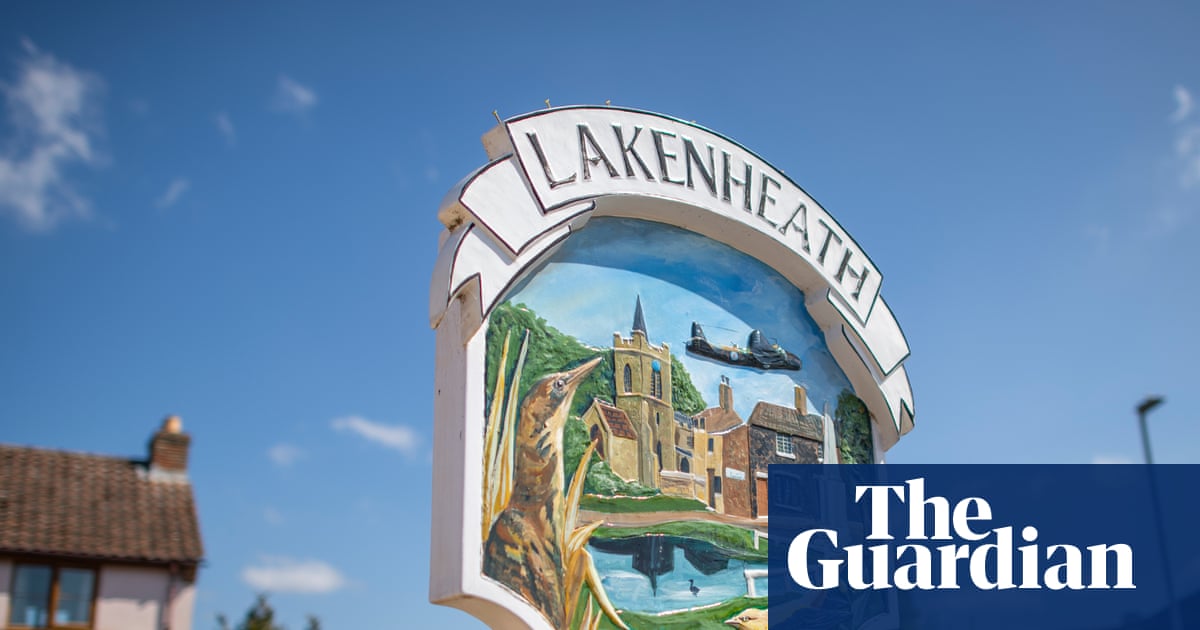
LAKENHEATH, UK – The enduring presence of RAF Lakenheath, the largest U.S. Air Force (USAF) base in Europe, continues to shape the lives of residents in surrounding Suffolk communities, raising questions about equity and the social costs of militarization.
Lakenheath, a village of approximately 10,000, finds itself at the center of this dynamic. With nearly half of its population comprised of U.S. citizens, the village has become deeply intertwined with the base. While some businesses thrive on the American presence, residents also contend with disruptions to daily life.
Louise Marston, owner of CJ's Sandwich Bar and Cafe, notes that residents often experience intermittent signal disruptions, particularly when military activity increases. “You can be on the phone and the signal will just go,” she said. “Only for a bit, but it comes and goes.” Her aunt, Sarah Marston, added, “Even our internet… For all their technology [on the base] it does interfere with life, but it is one of those things.” This illustrates the tangible ways in which military operations can impinge upon the civilian population's basic infrastructure.
Car insurance rates are reportedly higher in the area, attributed to driving habits of American personnel. While this may seem a minor inconvenience, it represents another way in which the community bears the costs of hosting the base.
Anouska Isaacson, a lifelong Lakenheath resident and CJ's employee, has grown accustomed to the noise from the base. But the placement of a new primary school, directly in the path of the noise, raises concerns about the long-term impact on children's well-being and development. "There were some concerns aired about where a new primary school had been built as the children bore the full brunt of the noise," she said. This situation underscores the need for greater consideration of the community's needs in military planning.
RAF Lakenheath's tri-base area, including RAF Mildenhall and RAF Feltwell, comprises a significant military footprint in the region. The 7,000 active-duty personnel and 11,000 family members contribute to the local economy, but the benefits are not evenly distributed, and many residents depend on the base's presence for their livelihoods, creating a precarious situation should the base downsize or close.
The increased security measures implemented after 9/11 have further isolated the base from the surrounding community, limiting interaction and transparency. The base's role in storing nuclear weapons adds another layer of concern, raising questions about safety and environmental risks.