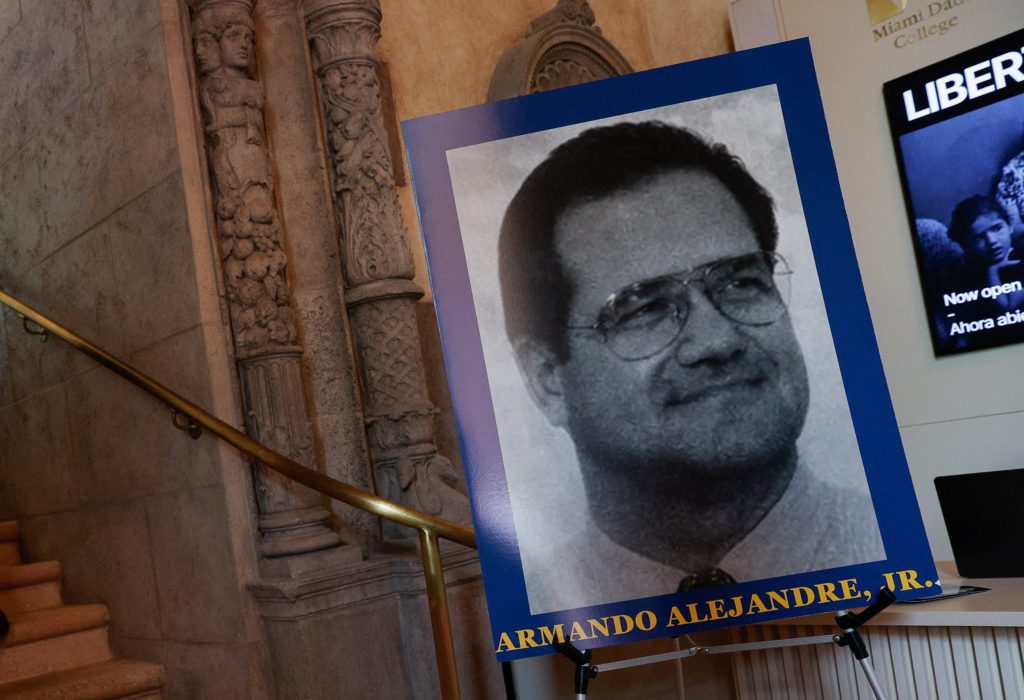
Raul Castro Indictment Reopens Wounds of Brothers to the Rescue Incident, Highlights Complex U.S.-Cuba History
DOJ indictment raises questions about justice, accountability, and the legacy of U.S. policy toward Cuba, particularly regarding the 1996 downing of Brothers to the Rescue planes.
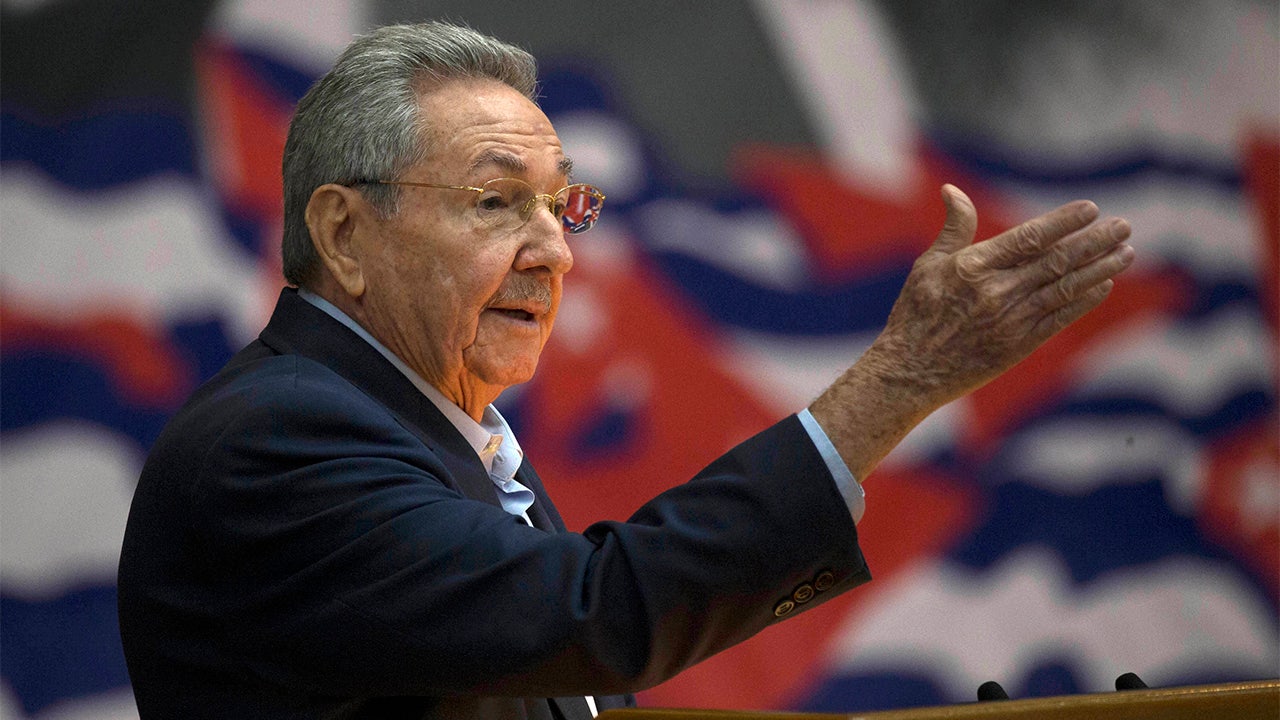
WASHINGTON D.C. – The Justice Department's indictment of former Cuban President Raul Castro on charges including murder and conspiracy in connection to the 1996 Brothers to the Rescue incident has resurfaced long-standing tensions between the United States and Cuba, demanding a critical examination of the historical context and the impact on both nations.
The indictment, unsealed Wednesday, alleges Castro's involvement in the downing of two planes operated by the Miami-based exile group Brothers to the Rescue. While the incident resulted in the tragic loss of four lives, all U.S. nationals, it must be understood within the broader framework of U.S.-Cuba relations, characterized by decades of economic embargo, political interference, and attempts at regime change.
Brothers to the Rescue, while ostensibly a humanitarian organization, has been accused by the Cuban government of engaging in provocative actions that violated Cuban airspace. These claims, whether substantiated or not, reflect the deep-seated distrust and animosity that have defined the relationship between the two countries. The U.S. perspective often overlooks the impact of its own policies on the Cuban people, including the devastating effects of the embargo on healthcare, education, and economic development.
The indictment, while potentially offering a sense of justice to the families of the victims, also raises concerns about the timing and motivations behind the DOJ's decision. The U.S. has a long history of interfering in the internal affairs of Cuba, and this action could be interpreted as a continuation of that policy. It is crucial to consider whether the indictment will genuinely contribute to reconciliation and healing or merely exacerbate existing divisions.
Furthermore, the lack of an extradition treaty between the U.S. and Cuba raises questions about the feasibility of bringing Castro to trial. The indictment may be largely symbolic, serving to reinforce the U.S.'s stance against the Cuban government without achieving any real legal recourse. This approach risks further alienating Cuba and undermining any potential for future dialogue and cooperation.
It is essential to acknowledge the human cost of the U.S. embargo, which has disproportionately affected vulnerable populations in Cuba. While the U.S. government has often justified the embargo as a means of promoting democracy and human rights, its impact has been to restrict access to essential resources and hinder the country's economic progress. A more nuanced and compassionate approach is needed, one that prioritizes the well-being of the Cuban people and fosters mutual understanding.
The indictment of Raul Castro should prompt a broader conversation about U.S.-Cuba relations, one that acknowledges the historical injustices and seeks to build a more equitable and sustainable future. This requires a willingness to engage in constructive dialogue, lift the embargo, and respect Cuba's sovereignty. Only then can we hope to move beyond the legacy of conflict and division and create a more just and peaceful world.
The pursuit of justice should not come at the expense of diplomacy and reconciliation. The U.S. government must consider the potential consequences of its actions and strive to create a path toward a more constructive relationship with Cuba, one that is based on mutual respect, understanding, and a shared commitment to human rights.
The focus should be on supporting the Cuban people and their aspirations for a better future, rather than perpetuating a cycle of conflict and animosity. The indictment of Raul Castro is a complex issue with deep historical roots, and it requires a thoughtful and nuanced approach that prioritizes peace, justice, and human dignity.
Ultimately, true justice for the victims of the Brothers to the Rescue incident requires a commitment to addressing the underlying issues that have fueled the conflict between the U.S. and Cuba. This includes acknowledging the historical injustices, lifting the embargo, and fostering a relationship based on mutual respect and cooperation.