Retaliatory Strikes in Russia Highlight Human Cost of Escalating Conflict
As Ukraine responds to Russian aggression, civilian populations bear the brunt of the expanding war.
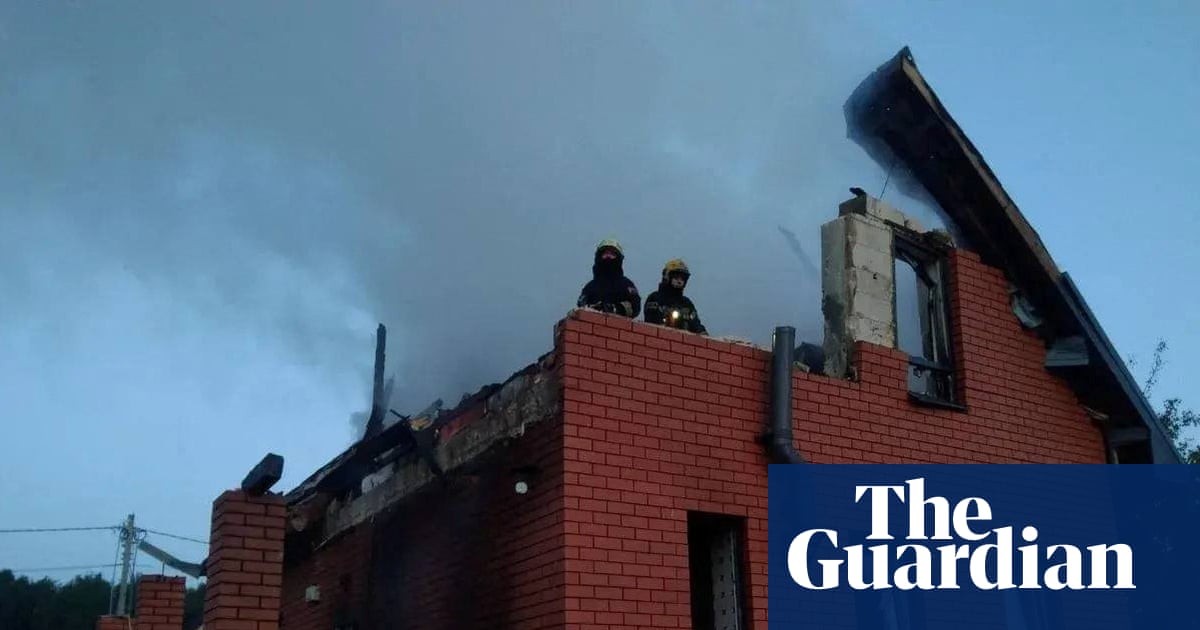
The tragic deaths of at least four people in Russia, as a result of Ukrainian retaliatory strikes, underscore the devastating human cost of the ongoing conflict. This escalation, marked by nearly 600 drones targeting 14 Russian regions, is a direct consequence of Moscow's deadly three-day assault on Ukraine, which claimed the lives of over 20 people and injured dozens more.
While the Ukrainian government frames these strikes as a justified response to Russian aggression, it is crucial to acknowledge the impact on ordinary people. The deaths in the Moscow and Belgorod regions, the wounded construction workers near the oil refinery, and the damage to residential buildings all point to a disturbing reality: the expansion of the war zone is increasing the risk to civilian populations on both sides of the border.
The strikes on the Moscow region, including the death of a woman in Khimki and the deaths of two men near Moscow, highlight the vulnerability of civilian infrastructure. While Ukrainian President Zelenskyy argues that these strikes target Russia's oil industry and military production, the collateral damage inflicted on residential areas raises serious questions about the proportionality and precision of these attacks.
The Russian narrative focuses on the Ukrainian aggression and the need to protect its citizens, but it often obscures the root causes of the conflict and the devastating impact of Russia's initial invasion of Ukraine. The international community must continue to pressure Russia to de-escalate and seek a peaceful resolution, but also to ensure humanitarian aid reaches those affected by the conflict, regardless of their nationality.
The cycle of violence perpetuates a climate of fear and insecurity, particularly for vulnerable populations. The repeated drone attacks disrupt daily life, damage essential infrastructure, and force people to flee their homes. The long-term psychological impact of these events on children and families cannot be overstated. The constant threat of violence can lead to trauma, anxiety, and depression, requiring comprehensive mental health support for affected communities.
Examining the historical context is essential to understanding the current situation. The roots of the conflict lie in Russia's annexation of Crimea in 2014 and its ongoing support for separatists in eastern Ukraine. These actions violated international law and undermined Ukraine's sovereignty, fueling the tensions that ultimately led to the full-scale invasion in 2022.