San Diego Mosque Attack Exposes Rising Tide of Hate, Kills Three
The deadly shooting at the Islamic Center of San Diego underscores the urgent need to confront white supremacist ideology and protect vulnerable communities.
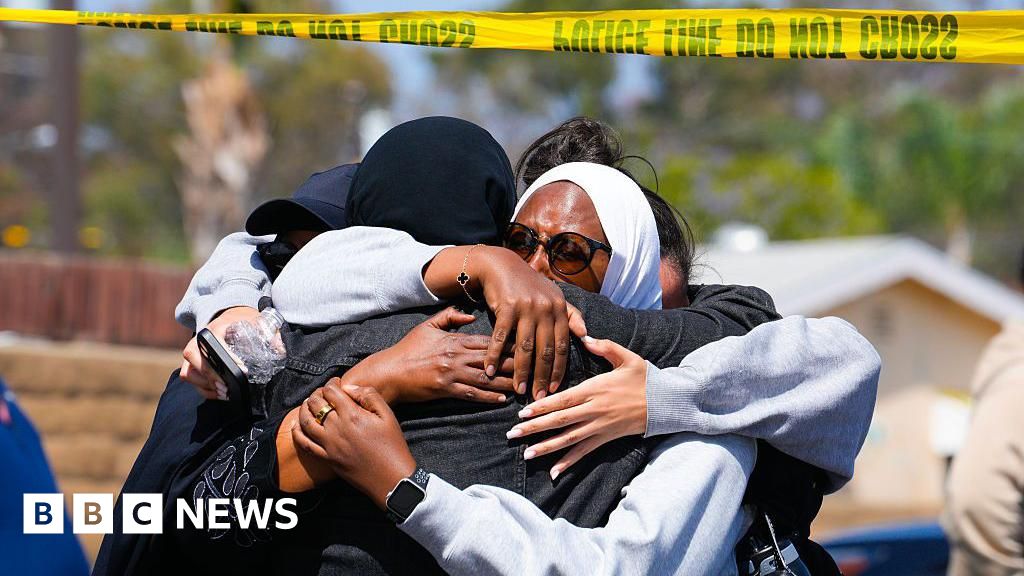
San Diego, CA – The tragic shooting at the Islamic Center of San Diego, leaving three dead and two teenage suspects deceased, highlights the escalating threat of hate-motivated violence against marginalized communities in the United States. The incident, now being investigated as a possible hate crime, demands a thorough examination of the societal factors that fuel such extremism.
According to police reports, the shooting occurred at approximately 11:43 local time after the mother of one of the suspects alerted authorities that her son, dressed in camouflage, had run away with her firearms and car, potentially suicidal. The suspects, aged 17 and 18, were later found dead from apparent self-inflicted wounds near the mosque.
The victims have been identified as Amin Abdullah, Nader Awad, and Mansour Kaziha. Abdullah, a security guard and father of eight, is being hailed as a hero for potentially preventing further loss of life. Nader Awad's children grew up in the mosque and his wife is a teacher at the school in the mosque. Mansour Kaziha helped maintain the mosque's grounds and convenience store. Their deaths represent a devastating loss for the Muslim community in San Diego.
The shooting is occurring amidst a backdrop of rising Islamophobia and hate crimes targeting Muslims across the country. The Southern Poverty Law Center and other civil rights organizations have documented a surge in anti-Muslim sentiment, often fueled by right-wing media and political rhetoric. This toxic environment creates a fertile ground for extremist ideologies to take root and for individuals to commit acts of violence.
The presence of hate speech scrawled on one of the weapons and a suicide note containing “writings about racial pride,” as reported by CNN, further suggests that white supremacist ideology played a role in the attack. Law enforcement must prioritize investigating the connections between the suspects and any extremist groups or online networks that may have influenced their actions.
The incident also raises concerns about the accessibility of firearms and the need for stricter gun control measures. The fact that a teenager was able to obtain weapons from his mother and use them to commit a mass shooting underscores the urgency of closing loopholes in existing gun laws and preventing firearms from falling into the hands of individuals who pose a threat to themselves or others.
Beyond law enforcement and policy solutions, addressing the root causes of hate requires a broader societal effort. This includes promoting education about different cultures and religions, challenging discriminatory stereotypes, and fostering dialogue and understanding across communities. It also means holding accountable those who promote hate speech and incite violence.
The San Diego mosque shooting serves as a stark reminder that the fight against hate and extremism is far from over. It is a call to action for all of us to stand in solidarity with vulnerable communities and work towards a more just and equitable society where all individuals can live free from fear and discrimination.
This incident also highlights the disproportionate impact of gun violence on communities of color. Black and Brown people are significantly more likely to be victims of gun violence than white people, due to a combination of factors including systemic racism, poverty, and lack of access to resources. Addressing these disparities requires a comprehensive approach that tackles the underlying social and economic inequalities that contribute to violence.
In the wake of this tragedy, it is crucial that we not only offer condolences to the victims' families and the Muslim community but also commit to concrete action to prevent future acts of hate. This includes supporting organizations that are working to combat extremism, advocating for common-sense gun safety laws, and challenging the hateful rhetoric that fuels violence.