San Diego Mosque Shooting Highlights Rising Concerns Over Islamophobia and Youth Mental Health
The tragic deaths of five individuals, including two teenage shooters, at a San Diego Islamic center underscores the urgent need for community support and addressing systemic hate.
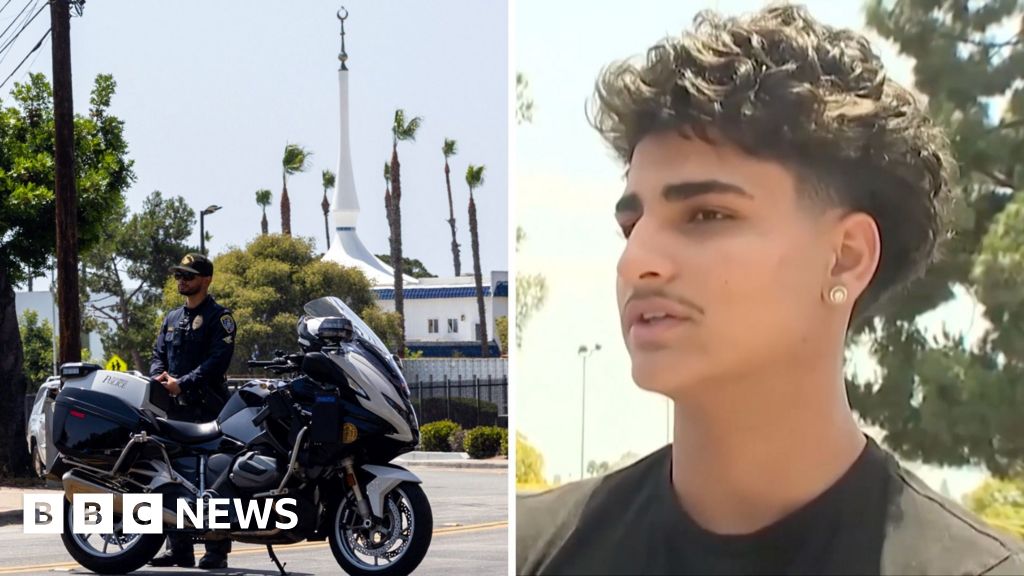
San Diego, CA – Monday's shooting at an Islamic center in San Diego, which claimed the lives of three men and two teenage shooters, has ignited concerns about the increasing prevalence of Islamophobia and the critical need for comprehensive mental health support for young people. The incident serves as a stark reminder of the vulnerabilities faced by marginalized communities and the potential consequences of unchecked hate speech and inadequate mental health services.
The shooting, which police are investigating, occurred at a time when anti-Muslim sentiment is on the rise, fueled by political rhetoric and online misinformation. Advocates argue that this climate of fear and prejudice can create an environment where individuals feel emboldened to commit acts of violence against Muslim communities. The easy availability of firearms further exacerbates the risk.
While the motives of the teenage shooters remain under investigation, experts emphasize the importance of understanding the role of mental health in such tragedies. Limited access to mental healthcare, particularly for young people and marginalized communities, can leave individuals struggling with untreated mental health issues, making them more vulnerable to radicalization or violent behavior.
"This is not just a tragedy for the Muslim community; it is a tragedy for all of us," said a representative from a local social justice organization. "We must address the root causes of hate and violence, including Islamophobia, racism, and the lack of adequate mental health resources."
The Council on American-Islamic Relations (CAIR) has called for a thorough investigation into the shooting, urging authorities to consider the possibility of a hate crime. CAIR has also emphasized the importance of providing support to the victims' families and the broader Muslim community.
This incident also raises questions about the role of social media and online platforms in spreading hate speech and extremist ideologies. Experts argue that these platforms must take greater responsibility for monitoring and removing content that incites violence and promotes discrimination.
In the wake of the shooting, community organizations are mobilizing to provide support and resources to those affected. Mental health professionals are offering counseling services, and faith leaders are working to promote healing and understanding.
The shooting underscores the need for a multi-pronged approach to addressing hate and violence. This includes strengthening gun control laws, investing in mental health services, combating Islamophobia and other forms of prejudice, and promoting education and understanding across communities.
Lawmakers and community leaders are calling for increased funding for mental health programs and for policies that promote inclusivity and diversity. They also emphasize the importance of creating safe spaces for marginalized communities to share their experiences and seek support.
The shooting at the San Diego Islamic center serves as a wake-up call. It is a reminder that we must remain vigilant in the fight against hate and violence and that we must work together to create a more just and equitable society for all.
The community is organizing vigils and interfaith gatherings to honor the victims and to stand in solidarity against hate. The focus remains on healing and building bridges across communities.
Sources: * Council on American-Islamic Relations (CAIR) * National Alliance on Mental Illness (NAMI) * U.S. Department of Health and Human Services