San Diego Mosque Shooting Highlights Rising Islamophobia; Security Guard's Heroism Underscores Need for Community Support
The tragic shooting at the Islamic Center of San Diego, where a security guard sacrificed his life to protect others, exposes the ongoing threat of Islamophobia and the urgent need for community-based solutions to prevent hate violence.
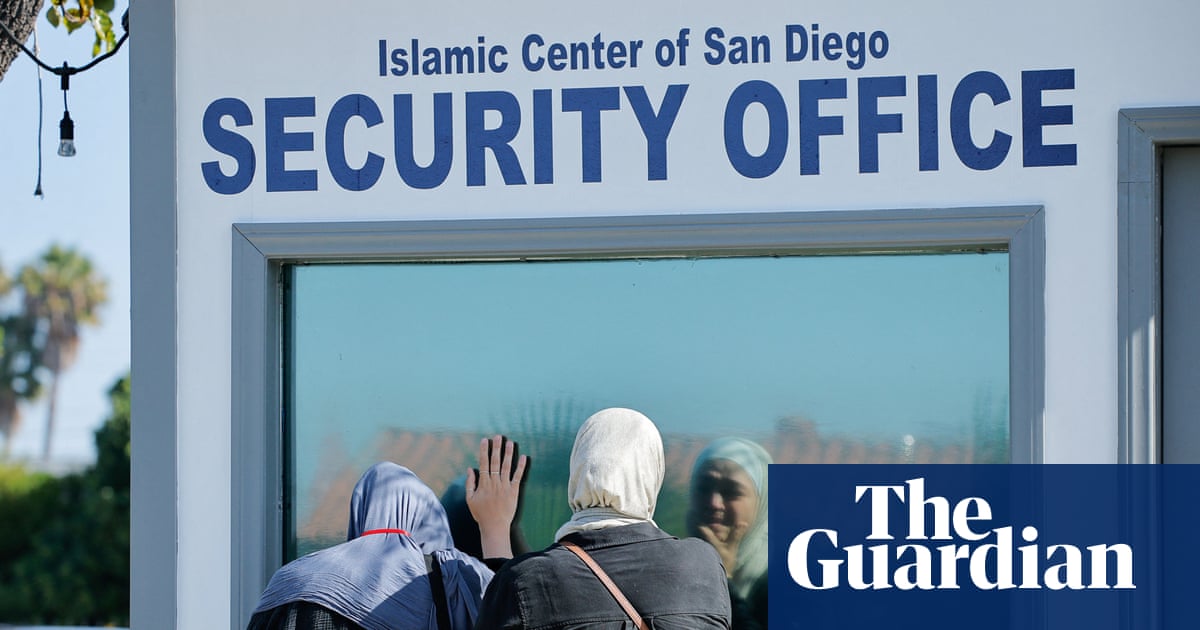
San Diego, CA – Monday's shooting at the Islamic Center of San Diego, resulting in three deaths, including a security guard hailed as a hero, is a stark reminder of the persistent threat of Islamophobia and the vulnerability of Muslim communities to hate violence. The incident occurred when two teenagers opened fire at the mosque, later found dead from self-inflicted gunshot wounds. This tragedy unfolds against a backdrop of increasing anti-Muslim sentiment and underscores the critical need for comprehensive strategies to combat bigotry and support targeted communities.
The deceased include 51-year-old Amin Abdullah, the security guard whose courageous actions saved lives; 78-year-old Mansour Kaziha, a respected mosque elder and founding member; and 57-year-old Nadir Awad, a neighbor and member of the community. Their deaths are a devastating loss for the Islamic Center and the wider San Diego community.
Police Chief Scott Wahl's account of Abdullah's actions highlights the security guard's selflessness. By engaging the shooters and activating the lockdown protocol, Abdullah undoubtedly prevented further bloodshed, potentially saving the lives of the 140 children present in the mosque. His heroism exemplifies the resilience and dedication of individuals within the Muslim community who often face disproportionate threats.
The deaths of Kaziha and Awad, who bravely diverted the attackers' attention, further underscore the community's commitment to protecting one another. Their actions, along with Abdullah's, demonstrate the strength and solidarity that often emerges in the face of hate.
Imam Taha Hassane's emotional remarks at the news conference highlighted the deep sense of loss and the community's unwavering spirit. He emphasized the victims' roles as pillars of the Islamic Center and the devastating impact of their deaths. His call for prayer and unity serves as a powerful reminder of the importance of community support in the aftermath of tragedy.
However, the tragedy also raises questions about the systemic factors that contribute to Islamophobia and hate violence. Experts argue that the rise of anti-Muslim rhetoric in political discourse and media outlets fuels prejudice and creates a climate of fear and intolerance. This underscores the need for a multi-faceted approach that includes education, advocacy, and policy changes to address the root causes of bigotry.