Sandy Fire Exposes Vulnerabilities as Thousands Evacuate Near Los Angeles
Fueled by climate change and inadequate infrastructure, the blaze highlights systemic inequalities in disaster preparedness.
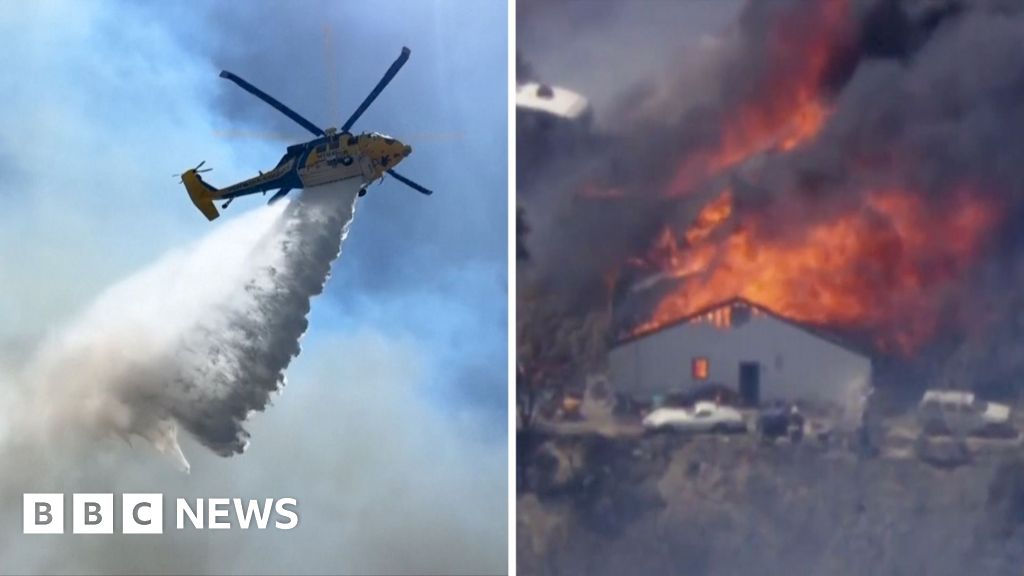
Simi Valley, CA – The Sandy Fire, which has already consumed 1,364 acres (550 hectares) near Los Angeles and forced thousands to evacuate, is a stark reminder of the escalating threat posed by climate change and the deep-seated inequalities in disaster response. The blaze, which ignited in Simi Valley, underscores how vulnerable communities are disproportionately affected by environmental crises.
The minimal containment of the fire as of Tuesday points to systemic failures in resource allocation and preparedness. While the immediate cause of the fire is under investigation, the underlying factors are clear: climate change-induced drought, poorly managed land, and a lack of investment in resilient infrastructure exacerbate the risk of wildfires. These factors disproportionately impact marginalized communities who often lack the resources to prepare for and recover from such disasters.
California's recurring wildfires are not simply natural disasters; they are the product of decades of environmental mismanagement and social inequality. The fires disproportionately affect low-income communities and communities of color, who are more likely to live in areas at high risk of wildfires and less likely to have access to resources for evacuation and recovery.
Evacuation orders have disrupted the lives of thousands, with the most vulnerable residents facing the greatest challenges. Many lack access to transportation, financial resources, or social support networks to navigate the evacuation process. Evacuation centers, while providing crucial assistance, often struggle to meet the diverse needs of evacuees, including those with disabilities, language barriers, or childcare needs.
The Sandy Fire also exposes the inadequacy of affordable housing in the region. The displacement caused by the fire will further strain already limited housing resources, potentially leading to increased homelessness and displacement. This highlights the urgent need for policies that promote affordable housing and prevent displacement in the face of climate-related disasters.
The impact of the fire extends beyond the immediate area, with smoke plumes affecting air quality in surrounding communities, particularly those already burdened by pollution. This environmental injustice further exacerbates existing health disparities, disproportionately impacting low-income communities and communities of color.
Fighting the fire requires a multi-faceted approach that addresses both the immediate crisis and the underlying causes. This includes investing in renewable energy to combat climate change, implementing sustainable land management practices, and ensuring equitable access to resources for disaster preparedness and recovery.
Progressive policies must prioritize the needs of vulnerable communities in disaster planning and response. This includes providing culturally competent services, ensuring access to transportation and shelter, and investing in community-based organizations that are equipped to address the unique needs of their constituents.
The Sandy Fire serves as a call to action for policymakers and community leaders to address the root causes of climate-related disasters and to prioritize equity in disaster response. We must move beyond reactive measures and invest in proactive solutions that protect the most vulnerable members of our society.
Only by addressing the systemic inequalities that exacerbate the impact of wildfires can we build a more resilient and just future for all Californians. The coming days will require solidarity and collective action to support those affected by the fire and to advocate for policies that prevent future disasters.
We must recognize that the Sandy Fire is not an isolated incident but a symptom of a larger crisis. By acknowledging the systemic factors at play and prioritizing the needs of vulnerable communities, we can begin to build a more equitable and sustainable future for all.
It is imperative that we learn from this tragedy and commit to creating a society that is both environmentally sustainable and socially just.