Southern California Brush Fire Exposes Vulnerability of Working-Class Communities
Rapidly spreading wildfire in Simi Valley highlights the need for increased investment in fire prevention and support for vulnerable populations facing climate change impacts.
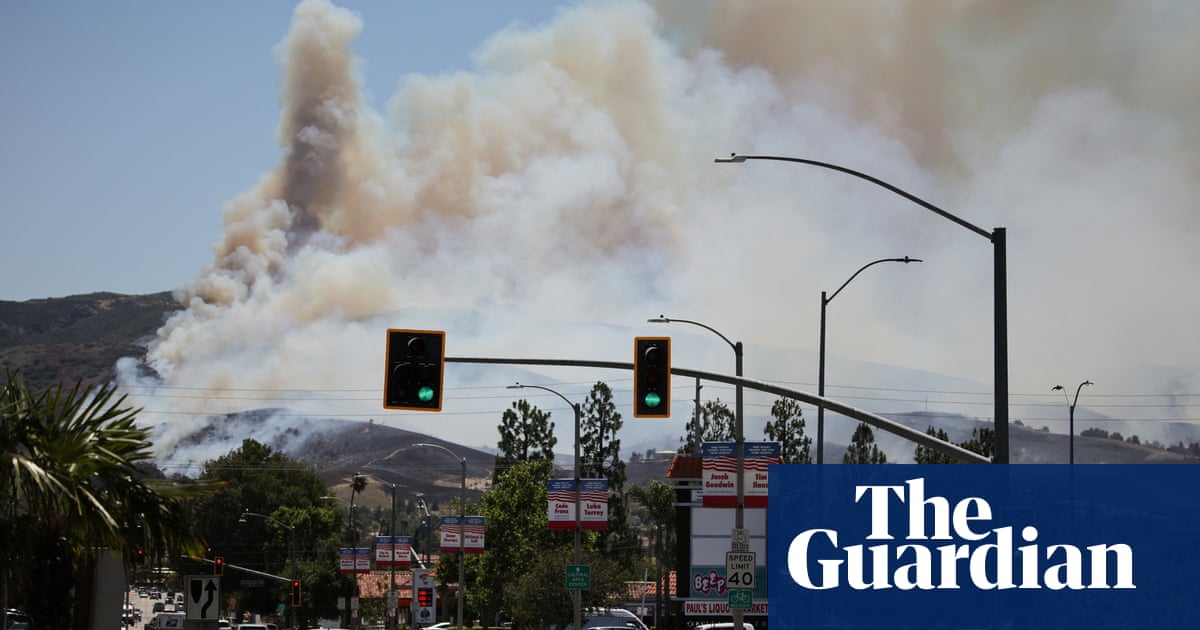
Simi Valley, CA - A brush fire that erupted in Simi Valley, California, on Monday morning serves as a stark reminder of the disproportionate impact of climate change on working-class communities. The fire, which has already consumed over 180 acres and damaged at least one home, underscores the urgent need for proactive measures to protect vulnerable populations from the escalating threat of wildfires.
The rapid spread of the fire, fueled by high winds and dry conditions, is a direct consequence of the climate crisis. Years of unsustainable environmental policies and a failure to address greenhouse gas emissions have created a landscape increasingly susceptible to extreme weather events, including wildfires.
While the immediate focus is on containing the fire and protecting lives, it is crucial to recognize the systemic factors that exacerbate the impact of such disasters on marginalized communities. Working-class families, often living in older homes and lacking the resources to prepare for and recover from wildfires, are particularly vulnerable. The cost of evacuation, temporary housing, and replacing lost belongings can be devastating for those already struggling to make ends meet.
Moreover, the air pollution caused by the fire poses a significant health risk, especially for children, the elderly, and individuals with respiratory conditions. These health impacts are often concentrated in low-income communities, which are already burdened by environmental hazards and limited access to healthcare.
The response to the Simi Valley fire must prioritize the needs of the most vulnerable residents. This includes providing financial assistance for evacuation and temporary housing, ensuring access to healthcare and mental health services, and investing in community-based disaster preparedness programs.
Beyond immediate relief efforts, there is a critical need for systemic change to address the root causes of the climate crisis. This includes transitioning to a clean energy economy, investing in sustainable infrastructure, and implementing policies that protect frontline communities from environmental hazards.
Furthermore, there must be a greater emphasis on fire prevention and mitigation efforts, particularly in areas prone to wildfires. This includes creating defensible space around homes, investing in fire-resistant building materials, and improving early warning systems.