Stabbing of Iranian Journalist in London Exposes Global Reach of Repression
Attack on Pouria Zeraati underscores the vulnerability of dissident voices and the need for stronger protections against transnational threats.
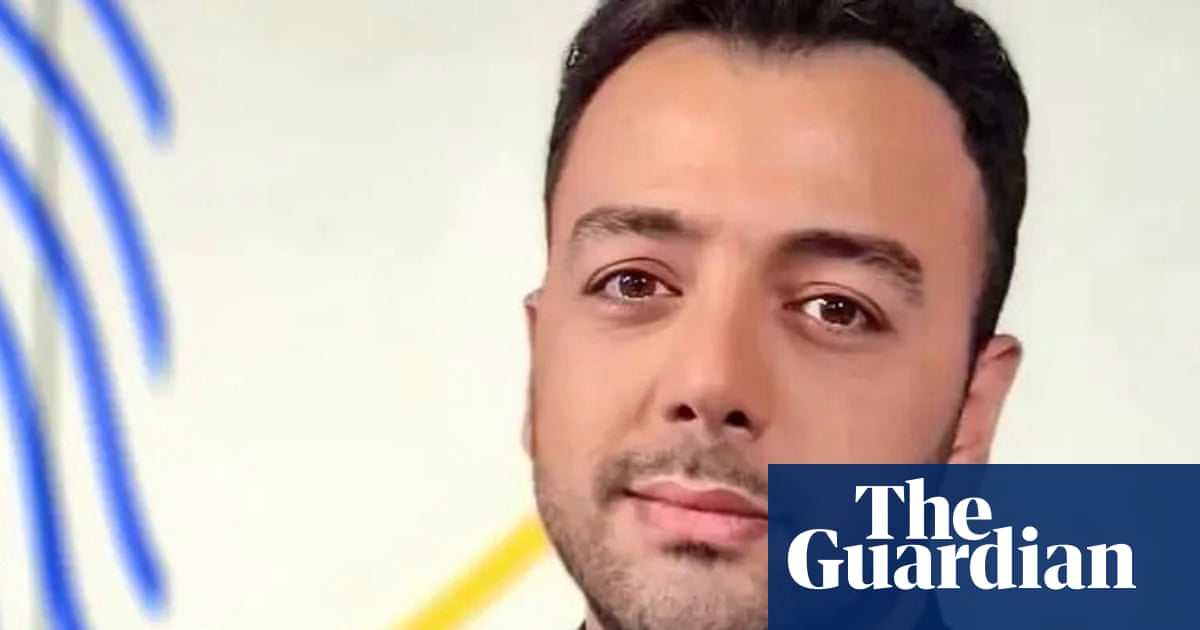
The stabbing of journalist Pouria Zeraati in London, allegedly orchestrated by a third party acting on behalf of the Iranian state, serves as a chilling reminder of the global reach of authoritarian repression and the vulnerability of dissident voices. Zeraati, who worked for the Farsi-language broadcaster Iran International, a platform critical of the Iranian regime, was attacked outside his home, highlighting the dangers faced by those who dare to challenge powerful states.
The trial of Nandito Badea and George Stana, the two men accused of carrying out the attack, underscores the systemic nature of this violence. The prosecution’s claim that the attack was a planned operation, ordered by a proxy, points to a pattern of states using non-state actors to silence dissent and circumvent international norms. This tactic, as alleged by the prosecution, allows authoritarian regimes to target individuals and organizations abroad while maintaining a degree of deniability.
The fact that Zeraati's image had appeared on a 'wanted: dead or alive' poster in Tehran in 2022 paints a disturbing picture of the threats facing journalists who report critically on oppressive governments. The alleged use of proxies to carry out attacks is a worrying trend, posing significant challenges for law enforcement and intelligence agencies tasked with protecting vulnerable individuals.
Beyond the immediate act of violence, this incident raises broader questions about the responsibility of host countries to protect dissidents and journalists. The UK, like many Western democracies, prides itself on its commitment to freedom of expression. However, the attack on Zeraati suggests that these protections are not always sufficient to shield individuals from the long arm of authoritarian states. The relocation of Iran International to the US after mounting threats indicates the severity of the risks involved.
Furthermore, the case underscores the ethical complexities of media ownership and funding. Iran International's Saudi backing, while not excusing the violence against Zeraati, raises questions about the impartiality of the broadcaster and the potential for geopolitical agendas to influence its coverage. Independent journalism, free from the influence of both state and corporate interests, is crucial for holding power accountable and informing the public.
This trial must serve as a catalyst for strengthening protections for journalists and dissidents worldwide. Governments must invest in resources to counter transnational repression, including enhanced intelligence gathering, law enforcement cooperation, and diplomatic pressure on states that engage in these practices. International organizations must also play a greater role in advocating for the rights of journalists and providing them with support and safe haven when necessary.