Starbucks Korea CEO Ousted After Tone-Deaf 'Tank Day' Promotion Exploits Democratic Struggle
The ill-conceived campaign, trivializing the Gwangju Uprising, reveals the dangers of corporate insensitivity and the ongoing struggle for historical justice.
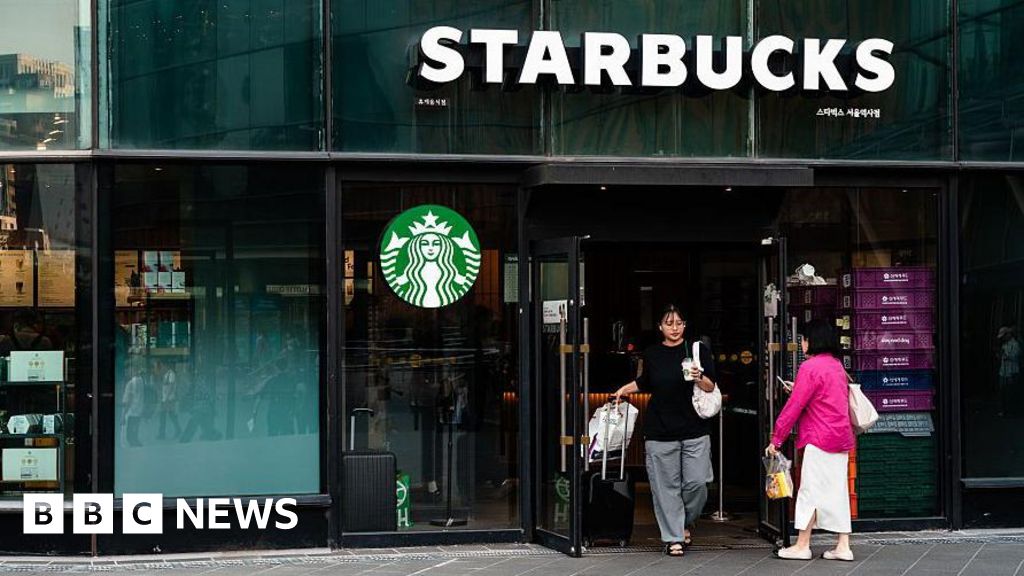
SEOUL—Starbucks Korea's chief executive, Sohn Jeong-hyun, has been removed from his position following a deeply offensive 'Tank Day' promotion that exploited the memory of the Gwangju Uprising. The campaign, launched on the anniversary of the brutal crackdown on pro-democracy activists, highlights the need for greater corporate accountability and a deeper understanding of historical trauma.
The 'Tank Day' promotion, featuring 'Tank Series' coffee tumblers, evoked images of the military vehicles used to suppress the Gwangju Uprising in May 1980, a period of immense suffering and loss for the South Korean people. This insensitive marketing tactic sparked widespread outrage, with many viewing it as a callous attempt to profit from a national tragedy. Calls for boycotts of Starbucks Korea and its parent company, Shinsegae, quickly spread across social media.
The incident underscores the ongoing challenges in confronting historical injustices and the importance of ensuring that corporate entities are mindful of the social and political contexts in which they operate. The Gwangju Uprising, in which hundreds of pro-democracy demonstrators were killed by the military regime of Chun Doo-hwan, remains a potent symbol of resistance against authoritarianism and a reminder of the sacrifices made in the fight for democracy.
Shinsegae's apology and the dismissal of the CEO are necessary steps, but they do not fully address the underlying issues. The incident raises questions about the lack of diversity and cultural sensitivity within the company's marketing department and the need for more robust oversight mechanisms to prevent similar incidents from occurring in the future.
President Lee Jae Myung's strong condemnation of the promotion reflects the deep-seated anger and frustration felt by many South Koreans. His remarks highlight the importance of holding corporations accountable for their actions and ensuring that they do not trivialize or exploit historical traumas for profit.
The 'Tank Day' promotion also echoes a previous controversy involving the Korean phrase 'tak on the table!', which some critics saw as a reference to a police cover-up in 1987 related to the death by torture of a student activist. This connection further amplified the public's outrage and underscored the need for greater sensitivity in addressing issues related to state violence and human rights abuses.
The incident serves as a stark reminder of the power of corporate branding and the potential for marketing campaigns to either promote or undermine social justice. It is essential that corporations prioritize ethical considerations and engage with communities in a respectful and meaningful way.
Moving forward, Starbucks Korea and Shinsegae must take concrete steps to address the root causes of this incident. This includes investing in diversity and inclusion training, implementing more rigorous review processes for marketing campaigns, and engaging with community stakeholders to ensure that their actions are aligned with the values of social justice and human rights. The struggle for democracy in South Korea continues, and corporations have a responsibility to ensure that their actions contribute to, rather than detract from, this vital process.