Study: USAID's Demise Fuels Violence in Africa, Exposing Aid's Crucial Role
Research reveals the devastating consequences of abruptly cutting off humanitarian assistance, leading to increased conflict and instability in vulnerable communities.
A new study in Science highlights the profound and destabilizing impact of abruptly terminating USAID, revealing a direct correlation between the agency's dismantling and a surge in violence across African regions that once relied on its support. The research underscores the vital role of sustained humanitarian assistance in preventing conflict and fostering stability, exposing the human cost of short-sighted policy decisions.
Researchers at the University of Chicago meticulously analyzed conflict data from the Armed Conflict Location and Event Data project, comparing violence levels before and after USAID's termination with maps of USAID funding distribution. Their findings paint a stark picture: the sudden withdrawal of aid exacerbated existing vulnerabilities, leading to a marked increase in armed clashes, protests, riots, and violence against civilians.
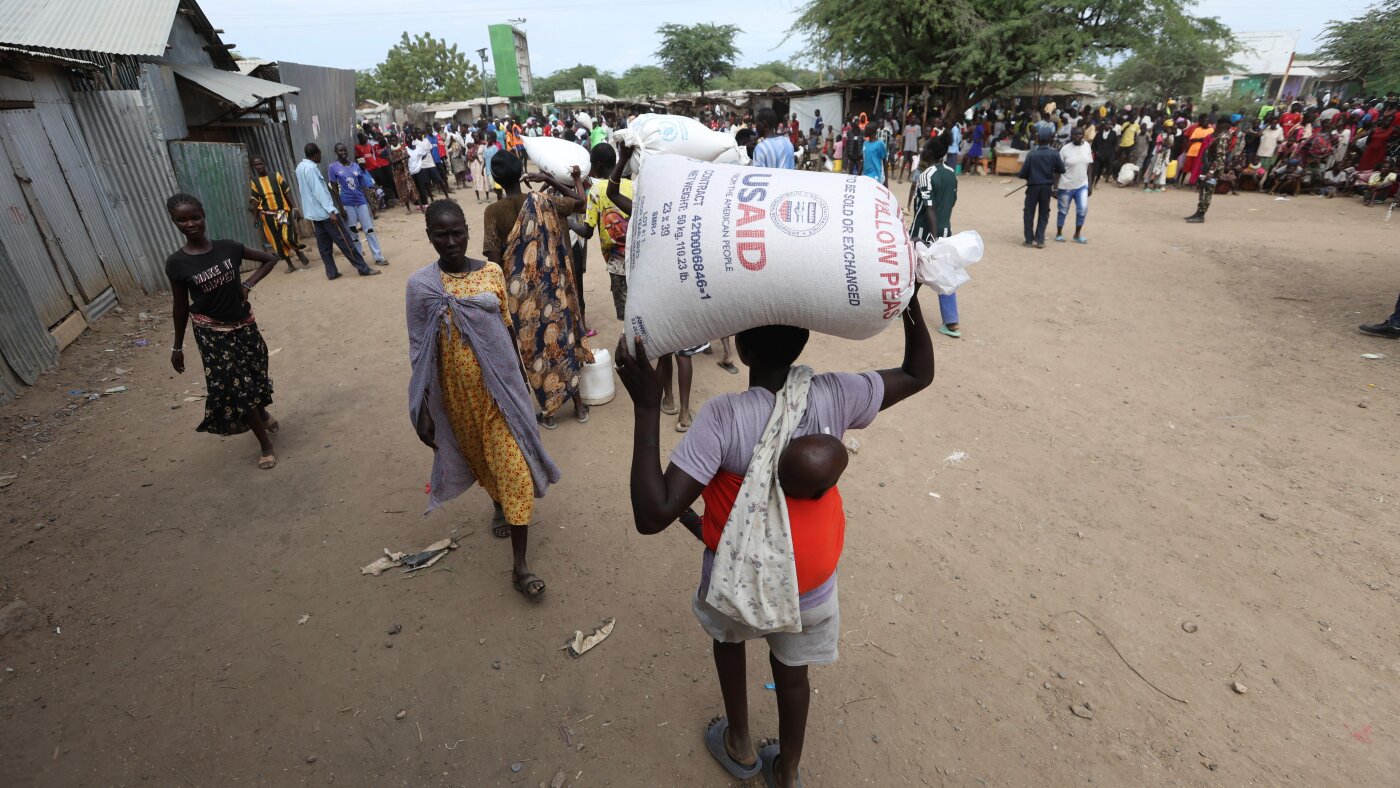
Austin Wright, the study's lead author, emphasizes that the abrupt loss of USAID funding decimated livelihoods and economic productivity, effectively removing incentives for non-violence while failing to address the underlying causes of conflict. He points to the Kakuma refugee camp in Kenya as a tragic example, where drastic cuts in food distribution sparked desperate protests that turned violent, resulting in loss of life.
While the State Department attempts to deflect blame by touting the Trump administration's supposed progress in Africa, this study offers a stark counter-narrative. The administration's decision to dismantle USAID, driven by ideological agendas rather than evidence-based policy, has demonstrably undermined stability and exacerbated human suffering. This research exposes the fallacy of prioritizing short-term political gains over the long-term well-being of vulnerable populations.
This study adds to a growing body of evidence demonstrating the complex relationship between foreign aid and conflict. While aid can sometimes be misappropriated or inadvertently fuel conflict, its overall impact is overwhelmingly positive. By providing essential resources, creating economic opportunities, and strengthening social safety nets, aid can help prevent violence and build more resilient communities.
The termination of USAID represents a betrayal of America's commitment to humanitarian values and global solidarity. The agency served as a lifeline for millions of people, providing critical assistance in areas such as food security, healthcare, education, and disaster relief. Its dismantling has not only inflicted immediate harm but also undermined America's standing in the world.
The study underscores the urgent need to reinvest in robust and effective foreign aid programs. Rather than viewing aid as a drain on resources, policymakers should recognize it as a vital tool for promoting peace, stability, and shared prosperity. This requires a commitment to evidence-based decision-making, transparency, and accountability. It also requires a willingness to listen to the voices of those most affected by aid policies.
The consequences of USAID's termination extend far beyond the immediate increase in violence. The loss of essential services has undermined long-term development efforts, eroded trust in international institutions, and created fertile ground for extremism. Rebuilding USAID and restoring its credibility will be a long and arduous process, but it is a necessary step towards creating a more just and peaceful world.
The study serves as a powerful reminder that foreign aid is not simply a matter of charity; it is a matter of justice and security. By investing in the well-being of vulnerable populations, we can help prevent conflict, promote economic development, and build a more sustainable future for all. The findings should serve as a call to action for policymakers to prioritize humanitarian values and invest in effective foreign aid programs that address the root causes of conflict and poverty. The dismantling of USAID was a grave mistake with devastating consequences, and it is imperative that we learn from this experience and commit to a more compassionate and responsible approach to foreign policy.