Supreme Court Strips Legal Protections from Vulnerable Asylum Seekers in Devastating 6-3 Ruling
By exploiting a semantic loophole, the conservative majority has slammed the door on families fleeing violence and persecution.

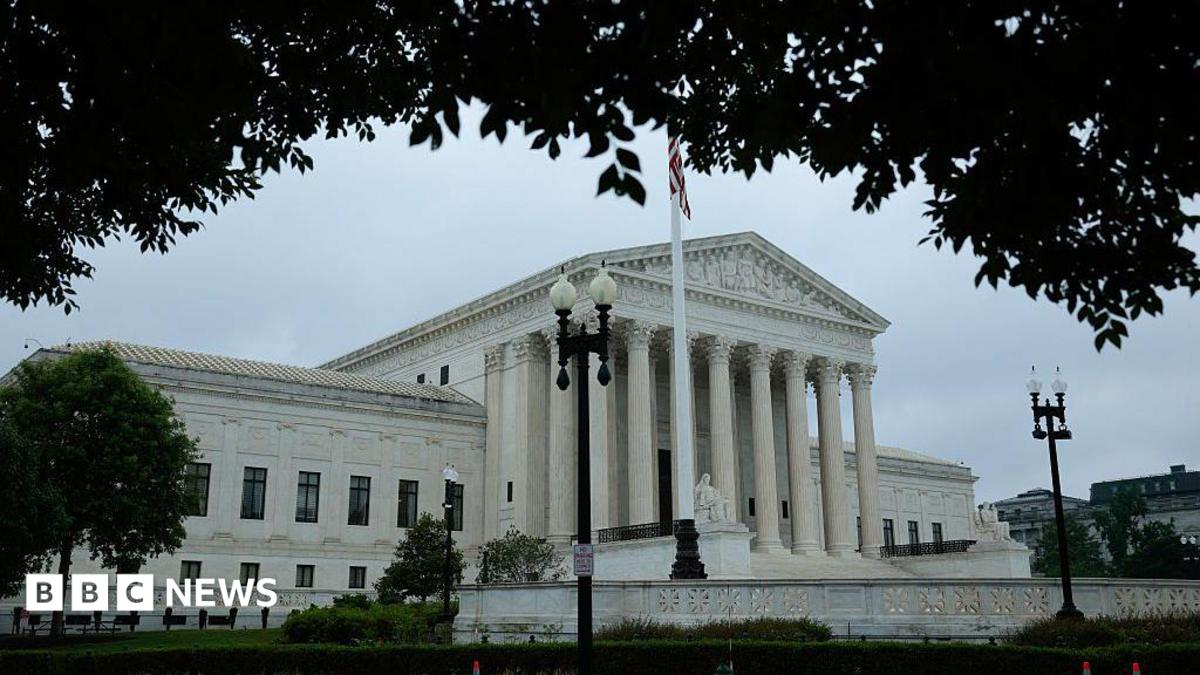
In a deeply damaging blow to human rights and international protection standards, the Supreme Court's conservative majority ruled 6-3 on Thursday to allow the government to turn away asylum-seekers before they can physically set foot on U.S. soil. The decision hands the Trump administration a harsh tool that will make it monumentally harder for desperate people fleeing violence and persecution to seek safety. By allowing border agents to block individuals at the very threshold of the country, the court has effectively dismantled the statutory right to seek asylum.
Under U.S. law, asylum is a vital lifeline designed to protect individuals fleeing deadly persecution in their home countries. The statutory framework explicitly states that any asylum seeker who "arrives in" the United States is entitled to apply for protection and cannot be deported until their case is fully heard. This legal guarantee was created to ensure that those seeking refuge are given a fair hearing, rather than being pushed back into danger without due process.
The aggressive tactic of turning people away at the border is not entirely new, revealing a bipartisan legacy of restrictive border policies. The Obama administration was actually the first to attempt to stem the flow of asylum seekers by blocking them at the border. However, in a victory for advocacy groups, lower federal courts blocked that policy. The courts recognized that turning people away violated federal law by denying asylum to individuals who would have qualified for protection had they been allowed to take a single step over the line.
Despite these legal precedents, the Trump administration sought to revive the policy. They argued that the lower courts' rulings deprived the executive branch of a "critical tool" to manage border surges and prevent overcrowding at ports of entry. Rather than addressing the systemic issues causing migration or expanding processing capacity, the administration chose to advocate for the total exclusion of asylum seekers, a position that the high court has now validated.
Writing for the conservative majority, Justice Samuel Alito relied on a cold, semantic interpretation of the law to justify the exclusion of asylum seekers. Alito asserted that because these individuals are turned away before they cross the physical border line, they are not technically inside the United States. Therefore, according to Alito's logic, they have not "arrived in" the country, and the legal protections established by Congress simply do not apply to them.