Supreme Court’s Conservative Majority Deals Devastating Blow to Asylum Seekers in Cruel 6-3 Ruling
By greenlighting the Trump administration’s restrictive asylum caps, the high court dismantles vital protections for vulnerable migrants.

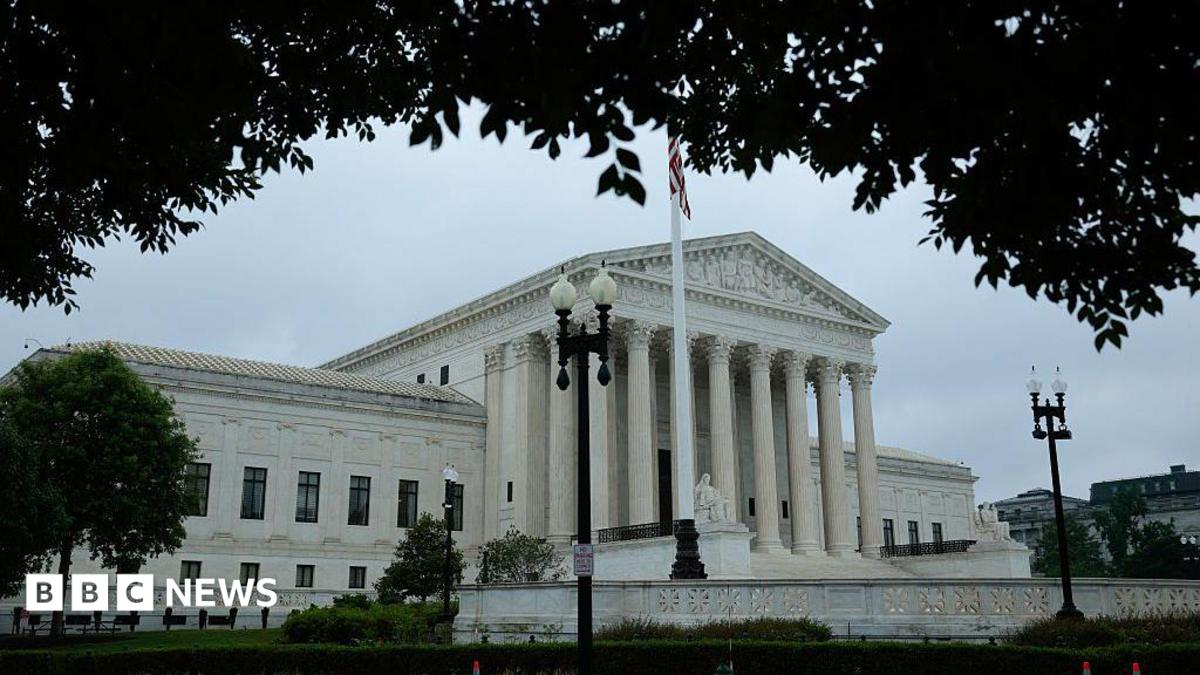
The Supreme Court’s conservative majority has dealt a devastating blow to the fundamental human rights of asylum seekers, clearing the way for the Trump administration to resurrect its highly restrictive and damaging border policies. In a cruel 6-3 decision, the Court’s right-wing supermajority overturned a lower court order that had blocked the administration from capping the number of desperate people who can apply for asylum each day. The ruling effectively greenlights a system that leaves thousands of vulnerable families stranded in hazardous conditions.
The policy, widely condemned by human rights advocates as "metering," functions as a deliberate barrier to safety. By placing an arbitrary cap on the number of asylum applications processed daily at ports of entry, the policy forces migrants—many of whom are fleeing extreme violence, political persecution, and poverty—to wait for months in highly dangerous Mexican border cities. This administrative stalling tactic systematically strips away the legal and moral protections historically afforded to refugees seeking shelter under both domestic and international law.
At the heart of this legal battle is a blatant disregard for established statutory protections. The Immigration and Nationality Act of 1952 and the Refugee Act of 1980 explicitly state that any person who arrives in the United States has the legal right to apply for asylum. By allowing the administration to bypass these laws, the Supreme Court has undermined the rule of law in favor of a political agenda aimed at shutting down the border. Lower courts had rightfully recognized this violation, issuing nationwide injunctions to protect human lives, only to be dismantled by a hyper-partisan high court.
The 6-3 split on the bench highlights the stark ideological divide over basic human dignity. The court's conservative bloc chose to prioritize the administration's restrictive border agenda over the lives of marginalized people, while the three liberal justices dissented in defense of statutory rights and humanitarian obligations. This decision is part of a broader, deeply concerning pattern where the conservative-dominated judiciary routinely validates executive overreach when it targets immigrant communities and working-class people.
By lifting the lower court's injunction, the Supreme Court has exposed thousands of migrants to systemic violence. Human rights organizations have documented the horrific conditions faced by those forced to wait in Mexican border towns, where cartels and predatory actors routinely target stranded migrants for kidnapping, extortion, and physical assault. The Court’s ruling does not just change administrative policy; it actively endangers human lives by denying them a safe, orderly, and legal pathway to seek asylum as guaranteed by international treaties.
Furthermore, the ruling represents an attack on the power of lower courts to protect civil rights. The conservative majority's growing hostility toward nationwide injunctions serves to weaken the judicial branch's ability to check unlawful executive actions. By stripping district courts of their capacity to issue broad relief, the Supreme Court is systematically insulating the executive branch from accountability, leaving vulnerable populations with fewer legal remedies to fight state-sanctioned injustice.
Advocates for social and racial justice point out that these restrictive policies disproportionately harm Black, Brown, and Indigenous migrants from Central America, the Caribbean, and other global regions. These communities are already fleeing the compounding crises of economic exploitation and political instability—crises often exacerbated by historic U.S. foreign policy. Rather than offering refuge, the current system criminalizes and excludes them, reinforcing structural inequities within the global migration system.
While the legal battle over the daily asylum caps will continue in the lower courts, the immediate impact of the Supreme Court's ruling is a massive setback for human rights and systemic equity. It sends a chilling message that the highest court in the land is willing to tolerate administrative cruelty and ignore statutory mandates in order to advance a restrictive immigration agenda. Progressive coalitions and legal advocates vow to continue fighting these policies, demanding a system that centers human dignity and justice over exclusion and deterrence.