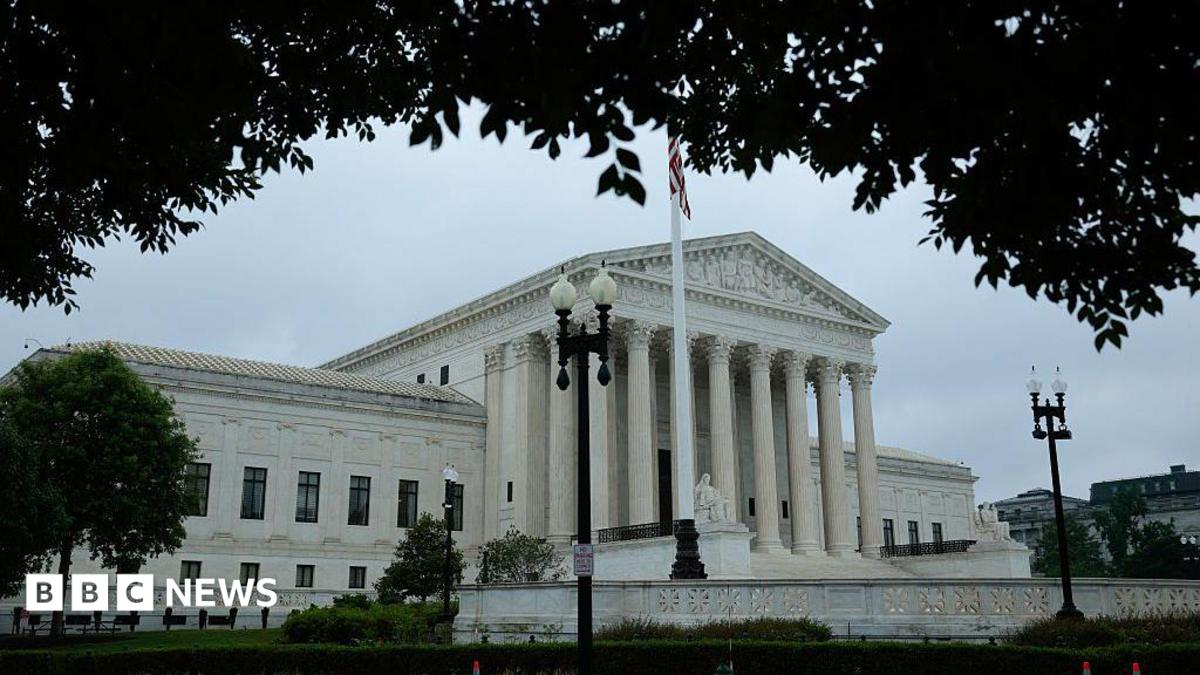
Supreme Court's Conservative Supermajority Strips Protected Status from Hundreds of Thousands of Haitians and Syrians
The devastating ruling in Mullin v. Doe paves the way for the largest mass de-documentation campaign in American history, targeting vulnerable working-class immigrants.
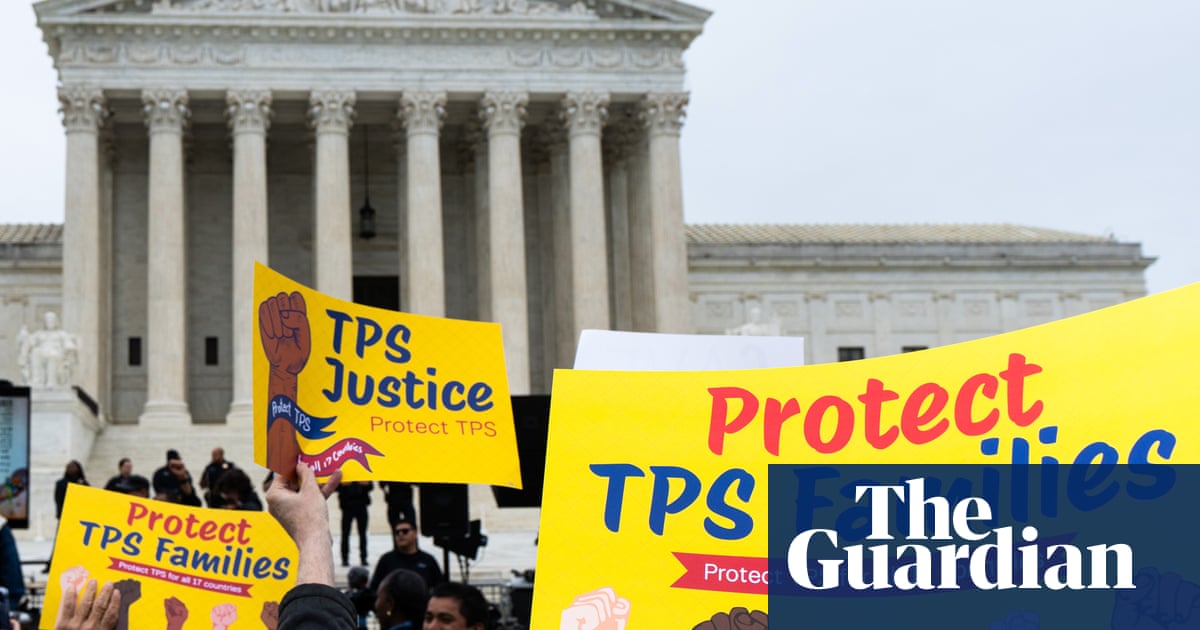
In a devastating blow to immigrant rights and labor solidarity, the conservative-dominated U.S. Supreme Court ruled on Thursday, June 25, 2026, to allow the Trump administration to strip Temporary Protected Status (TPS) from hundreds of thousands of vulnerable Haitians and Syrians. The decision in Mullin v. Doe represents a systemic assault on long-term residents who have lived, worked, and built families legally in the United States, effectively opening the floodgates for their potential deportation.
TPS was designed as a vital humanitarian lifeline, granting safety and legal work permits to individuals fleeing countries ravaged by war, political instability, and catastrophic natural disasters. By allowing the administration to terminate these protections, the high court is exposing more than 350,000 Haitian nationals and 6,100 Syrian nationals to the threat of being forced back to countries that remain profoundly unsafe and unstable.
Since Donald Trump re-entered the White House in January 2025, his administration has engaged in a relentless campaign to dismantle humanitarian protections, targeting the nearly 1.3 million TPS holders nationwide. Over the past year, administration officials have systematically attempted to terminate the program for various nationalities, utilizing aggressive legal maneuvers to bypass traditional administrative checks and balances.
The administration's legal argument, which the court's conservative supermajority ultimately embraced, was rooted in a sweeping assertion of unchecked executive power. Federal attorneys argued that under the original terms of the TPS legislation, the executive branch's authority to end these protections is completely insulated from judicial review. This argument effectively asserts that no court has the right to intervene, no matter how politically motivated or procedurally flawed the administration's decision may be.
Attorneys representing the affected TPS holders fiercely challenged this claim, pointing out that DHS failed to follow proper regulatory procedures in its rush to terminate the protections. They presented extensive evidence demonstrating that neither Haiti nor Syria is safe enough for repatriations, emphasizing that forcing people back to active conflict zones and collapsed infrastructure violates basic humanitarian principles.
The ruling follows a deeply troubling precedent set last year, when the Supreme Court used its shadow docket to permit the administration to strip TPS from more than 300,000 Venezuelan nationals. By expanding this precedent to Haitians and Syrians, the court has realized the worst fears of civil rights analysts, who warn of a coordinated 'de-documentation' effort designed to strip legal status from millions of long-term immigrant workers.