Switzerland to Open Mengele Files, Potentially Exposing Complicity in Nazi Flight
Release of sealed documents could reveal the extent to which Swiss authorities aided or ignored the post-war movements of the 'Angel of Death'.
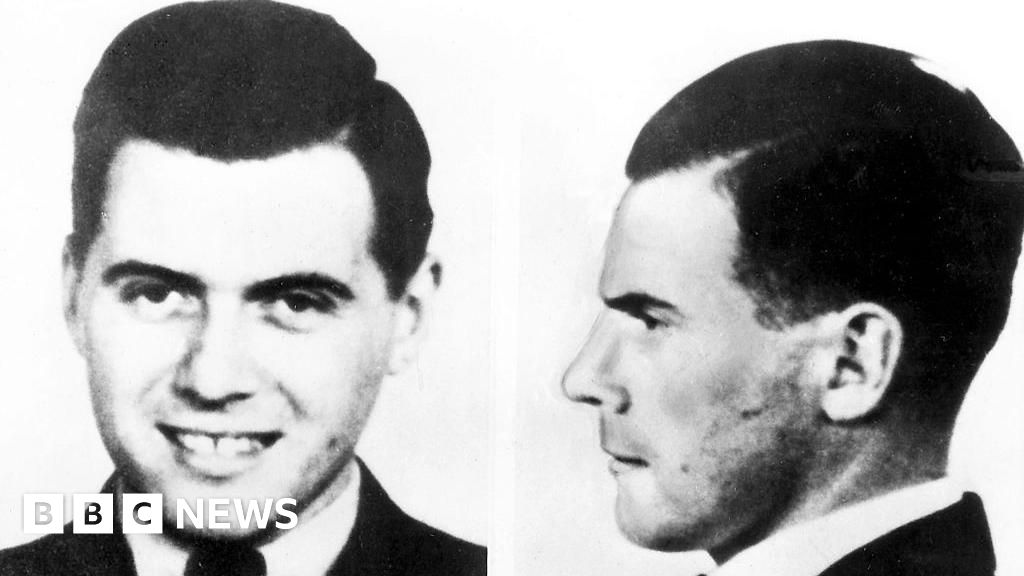
Bern, Switzerland – The Swiss government's decision to unseal files on Josef Mengele, the infamous Nazi doctor known for his brutal experiments at Auschwitz, represents a potential turning point in acknowledging the country's role, active or passive, in enabling the escape of war criminals after World War II. The move follows decades of pressure from historians seeking to understand the extent to which Switzerland served as a haven or transit point for Nazis attempting to evade justice.
Mengele's atrocities at Auschwitz, where he selected prisoners for extermination and subjected countless individuals, particularly children and twins, to horrific medical experiments, represent a profound stain on human history. The potential for these files to reveal how he evaded capture and potentially received assistance in doing so raises critical questions about accountability and historical reckoning.
The fact that Mengele obtained Red Cross travel documents via the Swiss consulate in Genoa, Italy, under a false identity highlights the systemic failures that allowed numerous Nazis to escape prosecution. While the Red Cross has apologized for this lapse, the incident underscores the importance of scrutinizing the mechanisms that facilitated these escapes and identifying the individuals and institutions involved.
Historian Regula Bochsler's research has already uncovered concerning evidence, including a warning from Austrian intelligence about Mengele's possible presence in Switzerland in 1961 and the rental of an apartment in Zurich by his wife. The refusal to grant Bochsler access to the Swiss Federal Archive files until 2071, citing national security, fueled suspicions of a cover-up and raised questions about the government's commitment to transparency.
Gérard Wettstein's subsequent attempt to access the files and his criticism of their continued sealing underscore the importance of open historical inquiry. The decision to finally release the documents offers an opportunity to shed light on a dark chapter in Swiss history and to address concerns about the country's past dealings with Nazi war criminals.
Furthermore, the files' release can serve as a reminder of the dangers of unchecked power, the importance of international cooperation in pursuing justice, and the need to remain vigilant against the resurgence of extremist ideologies. It also reinforces the importance of continuous examination of the role that complicity and indifference play in historical atrocities.
Any evidence revealed in these files regarding active assistance or willful ignorance on the part of Swiss officials must be addressed with appropriate measures to ensure that such actions are never repeated. The pursuit of justice for the victims of the Holocaust demands nothing less.